In the realm of interior design, the balance between practicality and aesthetics is a constant challenge. Renowned architect and designer Sarah Hart states, “Successful interiors blend functionality with beauty to create spaces that inspire.” This insight embodies the essence of how to balance practicality and aesthetics in interiors.
Interiors must cater to both the needs of inhabitants and the visual pleasure of a space. A beautifully designed room that lacks functionality can lead to frustration. Conversely, a space solely focused on practicality may lack warmth. Each element should serve a purpose while appealing to the eye. For instance, consider multifunctional furniture that saves space while adding style.
However, achieving this balance is not always straightforward. Designers must confront their own biases and preferences. Some designs may prioritize aesthetics, overlooking usability. Others might compromise on style for the sake of function. This reflection can guide designers in creating more balanced and effective interior spaces.
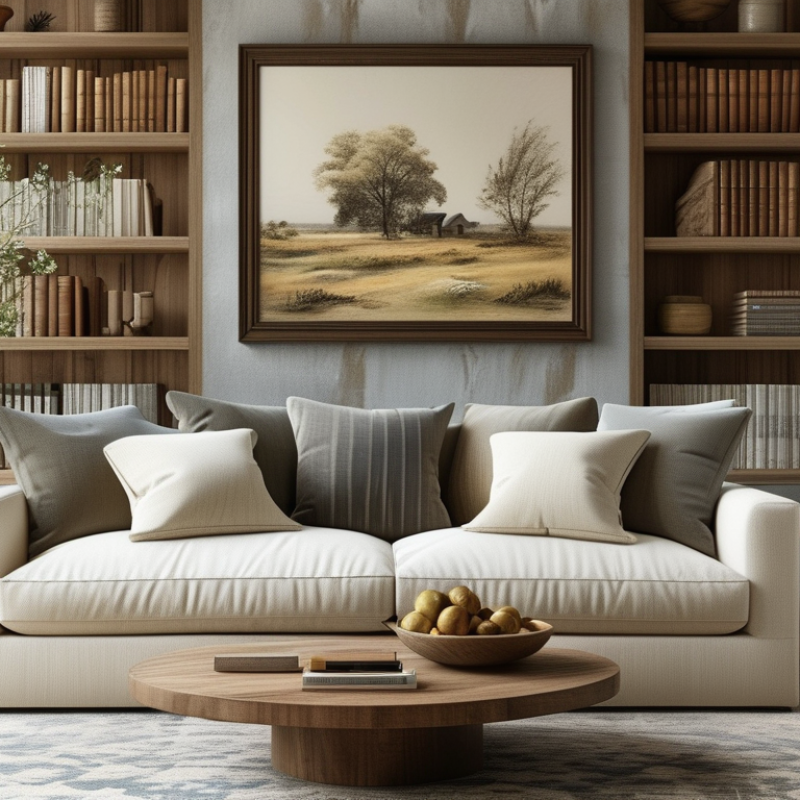
Understanding the Balance between Practicality and Aesthetics
Achieving a balance between practicality and aesthetics in interior design is essential. Practicality ensures functionality. A well-designed space meets everyday needs and enhances comfort. Soft seating, ample storage, and efficient lighting are practical elements. They enhance usability while maintaining aesthetic appeal.
Aesthetic design focuses on beauty and emotion. Colors, textures, and patterns create ambiance. However, overemphasizing aesthetics can lead to impractical choices. For instance, a beautiful but fragile coffee table may not survive a family gathering. Striking a balance involves thoughtful selection. Opt for durable materials that resonate visually.
Every space has unique needs. A home office requires a blend of attractiveness and efficiency. Desks should be stylish yet ergonomic. Shelves must be visually pleasing but also capable of holding heavy books. Strive to create spaces that reflect personal style while serving practical purposes. This approach creates a harmonious environment, where beauty meets functionality.
Key Principles of Functional Interior Design
Functional interior design is about creating spaces that efficiently meet the needs of their users while also looking appealing. According to the American Society of Interior Designers, 80% of homeowners prioritize practicality when designing their spaces. This shows a growing trend toward multifunctional spaces that enhance daily life. However, striking a balance between functionality and aesthetics can be challenging.
One key principle is to consider the layout carefully. Open floor plans can foster movement and flexibility, but they may also lack defined areas. A zone for relaxation should feel distinct, yet connected to the rest of the home. Natural light plays a significant role too. A report by the National Institute of Building Sciences states that well-lit spaces can improve mood and productivity by up to 20%. Even so, overexposure can lead to glare and discomfort.
Selecting materials is another critical factor. Hard surfaces like wood and stone offer durability, but they may also be cold and uninviting. Adding textiles like rugs, curtains, or cushions can soften these effects. While technology improves functionality, it can also create clutter. Integrating smart solutions must be done thoughtfully to maintain grace and usability. Ultimately, functional design requires continuous evaluation and adaptation to remain effective and visually appealing.
Incorporating Aesthetic Elements without Compromising Functionality
Creating a beautiful space can sometimes clash with the need for practicality. However, blending aesthetics with functionality is possible. Start with versatile furniture. Look for pieces that offer storage solutions while enhancing visual appeal. For instance, a stylish ottoman can serve as both seating and a hiding place for small items.
Lighting plays a key role in design as well. Consider using natural light when possible. Large windows not only brighten a room but also showcase your design elements. For evening use, choose decorative fixtures that provide sufficient illumination without being overly decorative. Balance is vital; opt for a few statement pieces but avoid overcrowding the space.
The choice of colors and materials can also reflect this harmony. Soft, neutral tones create a calming environment and are easy to pair with vibrant decor. However, too much minimalism might feel sterile. Incorporate texture through fabrics or art to avoid monotony. Reflect on what makes a space feel inviting and functional. It’s about creating a space that serves daily needs while also providing enjoyment and inspiration. Balancing these elements takes time and consideration.
Selecting Materials that Enhance Beauty and Usability
Choosing the right materials is crucial in achieving a blend of
beauty and
usability in interior design. When you consider elements like flooring, cabinetry, or textiles, think about how these materials interact with everyday life.
High-quality materials can elevate a space, but it's important to remember their maintenance and durability. A stunning marble countertop may attract compliments, yet its upkeep requires diligent care. Reflect on how practical these choices are in your daily routine.
Tip: Match your materials with the room's function. For instance, durable fabrics work best in busy living rooms. Conversely, lighter materials can enhance a more serene bedroom environment.
Combining texture and color is essential for aesthetics. Natural finishes can bring warmth and vibrancy. Wood adds character, while metals introduce a modern touch. However, striking the right balance might be challenging. Too much variation can lead to a chaotic vibe, so aim for a cohesive palette.
Tip: Sample materials before making final decisions. Seeing them in your space allows for more informed choices. Don’t be afraid to experiment, but also be ready to reevaluate if something isn’t working.
Common Mistakes to Avoid in Achieving a Harmonious Design
Achieving a harmonious interior design often stumbles over common mistakes.
One frequent error is ignoring proportion and scale. When furniture is too large or too small for a room, the overall balance suffers.
A large sofa in a tiny living room feels overwhelming. Conversely, small furnishings can make a spacious area feel sparse and uninviting.
It's crucial to measure your space carefully before making selections.
Another pitfall is overdoing color coordination. While a cohesive color palette is essential,
relying solely on one or two colors can create a monotonous feel. Introducing different shades, textures, and patterns creates visual interest.
A single artwork or an oversized plant can break this monotony without clashing. Many forget that personal touches contribute greatly to aesthetics.
Lighting is often undervalued. Relying solely on overhead lighting can cast unflattering shadows.
Layering lighting options—ambient, task, and accent varieties—creates a warm atmosphere. Additionally, neglecting proper maintenance can diminish
your design's beauty. Dust and clutter significantly detract from aesthetics. Regular cleaning ensures that your thoughtfully curated space shines.
FAQS
: It ensures functionality while enhancing comfort. A well-designed space meets everyday needs.
Soft seating, ample storage, and efficient lighting enhance usability without sacrificing aesthetics.
It may lead to impractical choices, like a fragile coffee table not surviving family gatherings.
Desks should be stylish yet ergonomic. Shelves must be visually appealing and functional.
Measure your space accurately. Furniture should fit the room size to maintain balance.
Relying on one or two colors creates monotony. Introduce different shades for visual interest.
Layer lighting options creates warmth. Avoid relying only on overhead lights to prevent unflattering shadows.
Some stunning materials require diligent care. Reflect on their practicality in daily life.
Match materials to a room's function. Consider durability, especially in high-traffic areas.
Items like artwork and oversized plants add character and break visual monotony effectively.
Conclusion
Achieving a harmonious interior design involves understanding how to balance practicality and aesthetics in interiors. This requires a deep appreciation of functional design principles that prioritize usability without sacrificing visual appeal. Integrating aesthetic elements seamlessly into the overall layout can transform a space, ensuring it is not only beautiful but also practical for daily use.
Selecting the right materials is crucial; they should enhance both the beauty and functionality of the space. Homeowners and designers must also be aware of common mistakes, such as overemphasizing one aspect at the expense of the other, which can lead to a disjointed environment. By thoughtfully combining practical needs with aesthetic desires, a cohesive and inviting interior can be created, ultimately enriching the living experience.
 Fance Home
