Fance Home
In an age where home products are abundant, consumers must learn how to identify high quality home products. This knowledge empowers you to make informed choices. High quality items not only enhance your living space but can also improve your overall well-being.
To recognize quality, assess materials and craftsmanship. Look for reputable brands known for their durability. Pay attention to customer reviews and expert recommendations. These insights reflect a product’s reliability and long-term value. Price can be an indicator of quality, but it’s not the only factor; some expensive items may still disappoint.
Consider personal experience as well. Reflect on past purchases and their performance. Did they meet your expectations? Learning from your own journey can lead to better future decisions. Navigating the home products market can be daunting, yet these guidelines will pave the way for smarter choices. With practice, you'll become adept at spotting the best options for your home.
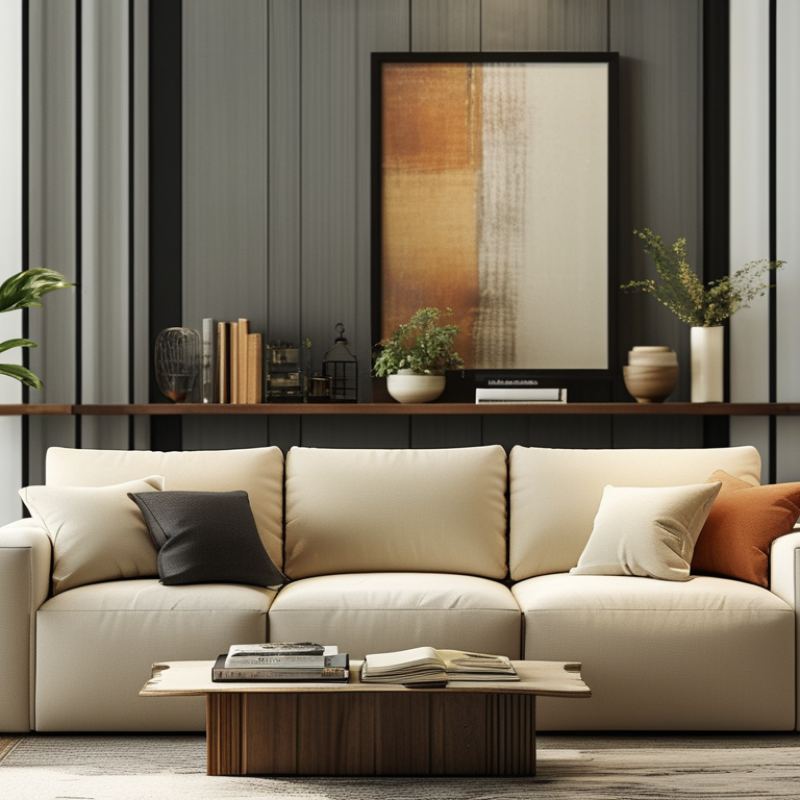
High-quality home products significantly enhance our daily lives. They provide comfort, durability, and safety. When investing in home items, consider the materials used. Genuine wood, high-grade metals, and organic textiles often indicate superior quality. These materials not only feel better but also last longer, reducing the need for replacements.
Another important factor is craftsmanship. Well-made items show attention to detail. Check the seams, finishes, and overall design. Subpar craftsmanship can lead to quick wear and tear, leaving you frustrated. Look for products that come with warranties or certifications. Such credentials often demonstrate reliability and give you peace of mind.
Quality home products can be a significant investment. However, choosing wisely can save money in the long run. Reflect on your choices regularly. Are these products truly serving your needs? Do they withstand daily use? High-quality items should improve your lifestyle, not complicate it. Always prioritize functionality and durability over trends.
When seeking high-quality home products, the materials used play a crucial role. Look for natural fibers like cotton or linen in textiles. These materials breathe well and provide comfort. Synthetic materials can often trap heat and moisture, leading to discomfort over time.
In furniture, solid woods often indicate better quality than particle board. Solid wood is durable and can last for decades. Check for finishes that are non-toxic. Low VOC paints and finishes are safer for indoor air quality. Metal components should be stainless or powder-coated to resist rust.
Always examine the craftsmanship. Well-made items have precise seams and joints. Products with a sturdy feel promise longevity. However, careful inspection may reveal flaws at times. A slightly off seam is a sign of mass production, which might compromise quality. Small imperfections can prompt you to think critically about your purchase.
When assessing home products, brand reputation and customer reviews serve as vital indicators of quality. According to a recent report by Statista, 93% of consumers read reviews before making a purchase. This statistic highlights the significant impact that customer feedback has on buying decisions. Positive reviews can indicate a reliable product, while consistent negative feedback may signal underlying issues.
Evaluating brand reputation involves examining the history of a brand's customer service and product performance. A study conducted by Nielsen found that 60% of consumers prefer brands with a positive reputation over those with lower ratings. Additionally, transparency in product sourcing and manufacturing processes can enhance a brand’s credibility. Brands that highlight these details often gain consumer trust and loyalty.
However, it is essential to recognize the limitations of reviews. Some reviews can be biased or incentivized, leading to skewed perceptions. Consumers should consider the volume of reviews and the context in which they were written. A product with many reviews may present a more accurate picture than one with only a few. Understanding this nuance is crucial for making informed purchasing decisions.
When evaluating home products, testing for durability and longevity is crucial. Start by examining the materials used. High-quality products often feature robust substances designed to withstand wear and tear. Touching and feeling different surfaces can reveal a lot. For instance, wood should feel solid, while fabric should resist fraying.
Conducting stress tests on items can also provide insights. Try applying weight or pressure to home goods, such as chairs or tables. Monitoring how they respond helps assess their sturdiness. Observe for scratches or dents. Check for signs of deterioration over time. Tough products should maintain functionality despite regular use.
Additionally, consider the warranty offered. Extended warranties often indicate confidence in a product's durability. However, remember that a warranty alone doesn't guarantee quality. Often, visual inspection and personal experience guide us best. While manufacturing processes continue to evolve, human judgment remains essential in identifying true value.
| Criteria | Description | Testing Methods |
|---|---|---|
| Material Quality | High-quality materials enhance durability and performance. | Visual inspection and tactile feel. |
| Build Quality | Well-constructed products tend to last longer. | Check joints, seams, and overall assembly. |
| Brand Reputation | Established brands often have a track record of quality. | Research and customer reviews. |
| Warranty | Longer warranties indicate confidence in product longevity. | Compare warranty lengths across products. |
| Certifications | Certifications can verify quality standards. | Check for important labels and certifications. |
| User Reviews | Feedback from other consumers can indicate quality. | Analyze ratings and common feedback themes. |
| Testing for Durability | Products should withstand normal use without damage. | Conduct stress tests and user simulations. |
| Longevity | Assess how well a product maintains its quality over time. | Long-term use evaluations. |
| Value for Money | High-quality products usually provide better long-term savings. | Cost analysis of similar products. |
| Return Policy | Good return policies can indicate confidence in product quality. | Review return and refund policies. |
When selecting high-quality home products, understanding certifications and standards is crucial. Certifications indicate that a product has met specific safety and performance criteria. For instance, look for labels such as ENERGY STAR or the Good Housekeeping Seal. These signify rigorous testing and can enhance your confidence in your purchase.
Various standards apply to different products. For instance, the ASTM International standards focus on materials and safety potentials. While these certifications can guide you, they are not foolproof. A product could be certified but still not meet all your personal quality expectations. Always consider your unique needs and context.
Not all certifications are created equal. Some may be overly broad or not updated frequently. Research the certifying bodies behind these labels for more assurance. Visit reliable resources to understand their credibility. Your careful scrutiny can help prevent potential disappointments. Aim to blend certified ratings with personal reviews. This multifaceted approach can refine your decision-making process effectively.
: Look for natural fibers like cotton or linen. They breathe well and provide comfort over time.
Check for solid woods, as they indicate durability. Avoid particle board when possible.
Well-made items have precise seams and joints. Flaws might hint at mass production issues.
Conduct stress tests by applying weight or pressure to furniture. Observe their response closely.
Touching surfaces helps you identify high-quality materials. Wood should feel solid; fabric should resist fraying.
An extended warranty suggests confidence in durability. Yet, it’s not the only marker of quality.
Look for signs of wear, such as scratches or dents. Durable items withstand regular use without decline.
Yes, small flaws can prompt reflection on the purchase. They might reveal potential quality concerns.
Synthetic materials can trap heat and moisture. Often, they lead to discomfort over time.
Visual inspection is key for assessing quality. Often, intuition and experience guide better judgments.
Identifying high quality home products is essential for ensuring durability, safety, and overall satisfaction with your purchases. To understand how to identify high quality home products, start by recognizing the importance of materials used in production; high-quality items typically feature superior materials that enhance their longevity. Evaluating the brand's reputation and customer reviews can also provide valuable insights into the product's performance and reliability.
Additionally, testing for durability can help determine how well a product will withstand everyday use, while being aware of recognized certifications and standards serves as a solid indicator of quality assurance. By applying these criteria, consumers can make informed choices and invest in home products that truly meet their needs and expectations.
