Blending functionality and aesthetics in home decor is essential for creating spaces that are not only beautiful but also practical. Renowned interior designer Kelly Wearstler once said, “Design is about how it works, not just how it looks.” This sentiment captures the essence of how to combine functionality and aesthetics in home decor. Many individuals struggle with this balance, often compromising one for the other.
In modern home design, every piece must serve a purpose while also enhancing the visual appeal. For instance, a coffee table can be a stylish centerpiece as well as a storage solution. Homeowners can incorporate multi-functional furniture to enhance both utility and style. However, it's easy to get caught up in trends that prioritize aesthetics over practicality, leading to beautiful but unusable spaces.
Ultimately, achieving this balance requires intention and creativity. It may demand a bit of trial and error, as designs that look good on paper do not always function well in reality. By thoughtfully considering both aspects, anyone can create a home that reflects their personality while remaining livable and efficient. Exploring how to blend functionality and aesthetics opens doors to a space that feels both inviting and practical.
Understanding Functionality and Aesthetics in Home Decor
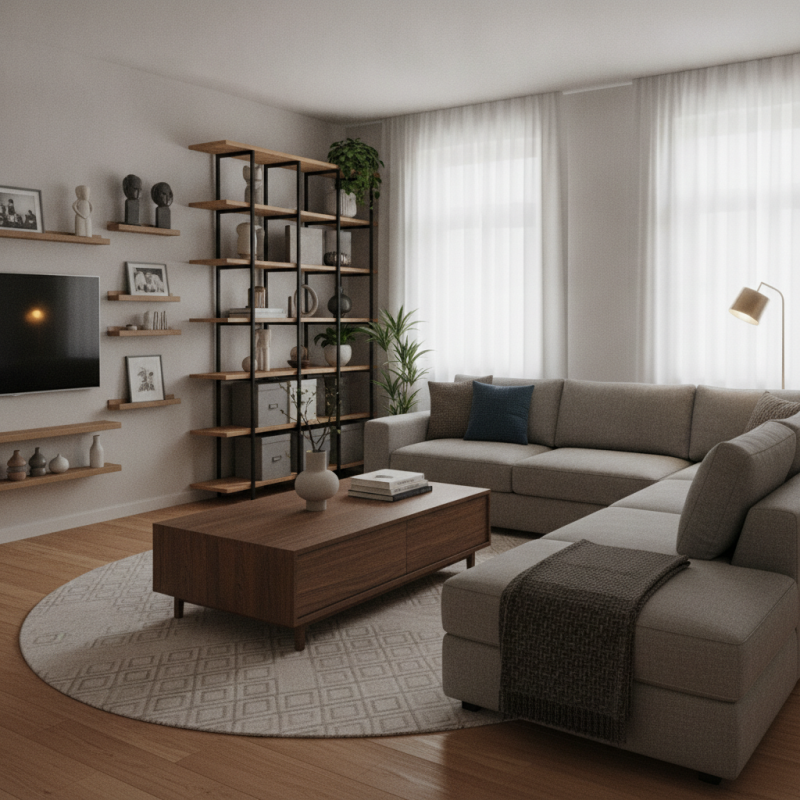
Functionality and aesthetics must work in harmony for successful home decor. Research indicates that 67% of homeowners prioritize functionality over appearance. However, the appeal of a beautifully designed space should not be overlooked. Consider a living room where a sleek sofa enhances comfort while complementing a modern aesthetic. This combination creates an inviting environment.
Space planning plays a crucial role. Ergonomics must guide furniture placement. For instance, an overcrowded room can feel chaotic, compromising both function and beauty. Studies show that natural light improves mood and productivity. Implementing window treatments that allow daylight, while maintaining privacy, can enhance both aspects of your decor.
Color choice is vital too. Warm tones foster coziness, while cooler shades promote relaxation. However, bold colors can overpower a space if not balanced correctly. A careful mix of soft and vibrant hues can encourage a dynamic interior. In practice, it can be challenging to achieve this balance. Understanding how to blend these elements requires continuous reflection and adjustment as styles and needs evolve.
Key Elements of Functional Home Decor Design
Creating a functional home decor design requires careful consideration of key elements. Start with the layout. An open space fosters movement. Arrange furniture to facilitate conversation. This makes your home feel inviting. Opt for multipurpose furniture, like ottomans with storage. They provide utility without overwhelming the aesthetic.
Lighting must also be a priority. Natural light is ideal for a vibrant atmosphere. Use sheer curtains to maintain brightness. For evenings, consider layered lighting. Combine floor lamps and overhead fixtures for depth. The balance between soft and bright light enhances mood.
Don't overlook personal touches. Art and decor should reflect your personality. However, over-cluttered spaces can feel chaotic. Find a balance by integrating unique pieces with functional items, like decorative trays. Remember, the goal is to create a functional but aesthetically pleasing environment. Embrace imperfection, as a few flaws can add character.
Incorporating Aesthetics: Color, Texture, and Style Choices
When it comes to home decor, color plays a vital role in creating a harmonious space. Thoughtfully chosen hues can evoke emotions and set the mood. For instance, warm tones like terracotta may invite coziness, while soft blues can inspire tranquility. Experimenting with color combinations can bring depth to a room. However, not every color scheme will work well in every space. Consider the natural light and the room's size; reflections often alter how a color appears.
Texture adds another layer of intrigue to home decor. Mixing materials like wood, metal, and fabric creates visual interest. A plush velvet sofa paired with sleek glass tables can highlight contrast. However, the challenge lies in balancing textures without overwhelming the senses. Too many competing textures can make a space feel chaotic. Strive for a cohesive look that reflects your personality while being functional.
Style choices are essential to tie aesthetics and practicality together. Whether you lean towards modern minimalism or rustic charm, consistency matters. Yet, it’s easy to lose sight of functionality in the pursuit of style. An ornate light fixture may look stunning, but if it casts poor light, it fails in purpose. Regularly assess each piece in your decor for its contribution to both beauty and utility.
Balancing Space Utilization with Visual Appeal
Creating a harmonious space is more than just choosing furniture. It involves a thoughtful blend of functionality and aesthetics. Balancing how you utilize space with its visual appeal can transform your home into a sanctuary.
Consider the layout of your rooms. Evaluate the flow of movement. Small spaces can feel cluttered if they lack functionality. Use multifunctional furniture, which serves purpose while saving room. For example, a sofa bed combines comfort with practicality. This allows you to host guests without sacrificing style.
Add visual elements that resonate with your personality. Art pieces or plants can enhance the aesthetic while maximizing space. Choose colors wisely; lighter tones can make a room appear larger. Darker shades create depth but may feel constricting if overused.
Here are some tips:
- Use mirrors strategically to reflect light and create the illusion of space.
- Opt for open shelving, which adds display space without enclosing the area.
- Regularly assess what you own; keep only what brings you joy and utility.
By thoughtfully blending these aspects, your home can be both functional and a true reflection of your style.
How to Blend Functionality and Aesthetics in Home Decor? - Balancing Space Utilization with Visual Appeal
| Aspect |
Description |
Example |
| Color Palette |
Choosing a harmonious color scheme that promotes a calm and inviting atmosphere. |
Soft neutrals with accent colors. |
| Furniture Arrangement |
Arranging furniture to optimize space and encourage flow while maintaining a cozy look. |
Sofa facing the focal point with side tables for functionality. |
| Lighting |
Using a variety of light sources to create a warm and inviting space. |
A mix of overhead lights, table lamps, and ambient lighting. |
| Storage Solutions |
Incorporating stylish storage options that reduce clutter. |
Built-in shelves and decorative baskets. |
| Textile Choices |
Selecting textiles that complement the decor while adding comfort. |
Soft throws and elegant curtains. |
| Decorative Elements |
Using decorative pieces to enhance visual appeal without overwhelming the space. |
Artwork, plants, and stylish vases. |
Practical Tips for Merging Function and Beauty in Each Room
Blending functionality and aesthetics in home decor is essential for creating enjoyable living spaces. According to a 2021 survey by the American Society of Interior Designers, 70% of homeowners prioritize design that serves a purpose. Merging beauty with practicality enhances everyday experiences while ensuring spaces remain usable.
In the living room, consider furniture that is both visually appealing and functional. Opt for a stylish coffee table with hidden storage for magazines or remotes. This not only reduces clutter but also adds elegance to your decor. Lighting is another critical element. Use layered lighting, combining ambient, task, and accent lighting to create a warm atmosphere while providing necessary functionality.
In the kitchen, integrate open shelving for easy access to frequently used items. This approach showcases beautiful dishware while keeping the space organized. Also, choose materials that are easy to clean but still pleasing to the eye, like quartz countertops. Be aware that choosing the wrong color can lead to a less inviting atmosphere. Select a palette that reflects your personal style, but consider how colors affect mood and functionality. Paying attention to these details can elevate your home without sacrificing comfort.
Functionality vs Aesthetics in Home Decor
Conclusion
In exploring how to combine functionality and aesthetics in home decor, it's essential to understand both concepts thoroughly. Functionality ensures that a space serves its purpose efficiently, while aesthetics involves the visual appeal that enhances the overall atmosphere. Key elements like layout, furniture selection, and organization play a crucial role in creating functional designs, while color schemes, textures, and style choices contribute significantly to the aesthetic value of a room.
To achieve the perfect balance, homeowners should focus on space utilization alongside visual appeal. Practical tips include selecting versatile furniture, opting for harmonious color palettes, and incorporating textures that add depth. Every room can reflect a blend of beauty and practicality by thoughtfully merging these principles, ensuring that each area is not only pleasing to the eye but also serves its intended function effectively.
 Fance Home
