Fance Home
Choosing tableware is not only a question of appearance. It affects heat retention, durability, food presentation, cleaning, and everyday safety. Many buyers ask, “what is the difference between ceramic and glass tableware?” The answer depends on how each material behaves under real kitchen conditions.
W. David Kingery, a respected pioneer in ceramic science, defined ceramics as “inorganic, nonmetallic materials.” This simple description explains why ceramic plates feel dense, warm, and slightly textured. Glass, by contrast, is usually formed from melted silica and other minerals. Its smooth surface often looks lighter and more transparent.
The differences become clearer during daily use. Ceramic tableware can hold heat well, making it suitable for baked dishes and warm meals. Glass allows diners to see colors, layers, and sauces immediately. A clear glass plate can make a fruit tart look almost suspended above the table. Ceramic may offer stronger visual warmth, especially with handmade glazes.
Neither option is perfect.
Glazed ceramic can chip around its rim. Glass can crack after sudden temperature changes. Some ceramic products may also contain questionable glaze materials if manufacturing quality is poor. Reliable brands provide food-contact information and care instructions.
This guide compares five practical differences between ceramic and glass tableware. It examines durability, heat performance, weight, maintenance, and design flexibility. The comparison is useful for homes, restaurants, and hospitality buyers. Still, material quality varies greatly. A thick glass plate may outperform a thin ceramic one, while high-fired ceramic may resist damage better than inexpensive glass. Careful selection matters more than material labels alone.
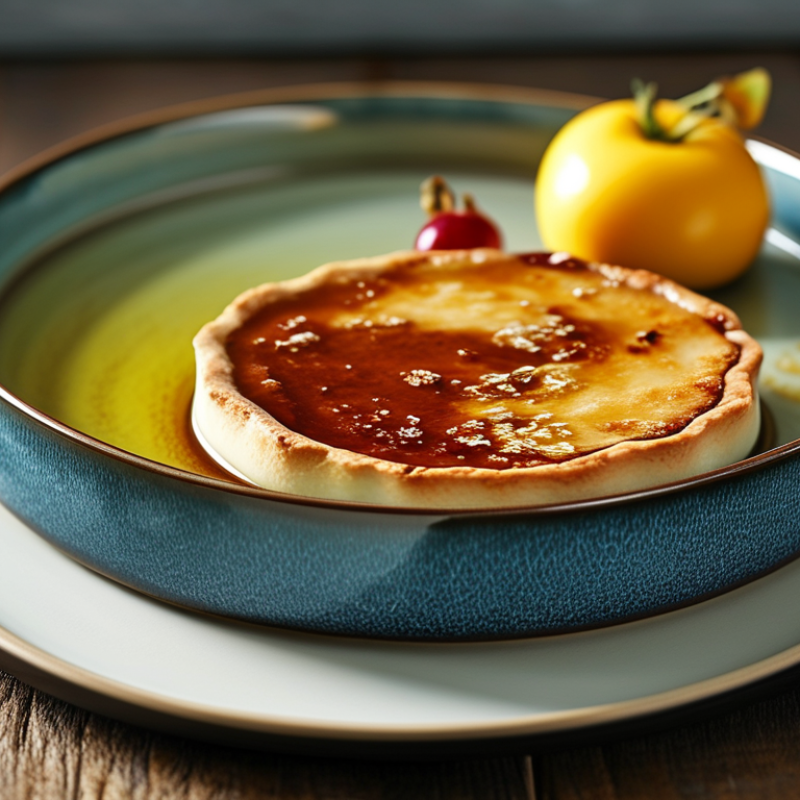
Material composition determines how ceramic and glass tableware behaves before decoration or use. Ceramic bodies usually combine clay, kaolin, feldspar, and quartz. Glass mainly uses silica sand, soda ash, and limestone. The U.S. Geological Survey’s 2024 Mineral Commodity Summaries reports about 96 million metric tons of U.S. industrial sand and gravel production in 2023. Only a fraction serves glassmaking, but the figure shows silica’s industrial scale.
Manufacturing changes these materials through heat. The European Commission’s Ceramic Manufacturing Industry BREF places many ceramic firing processes between 850°C and 1,450°C. During firing, clay minerals react, pores shrink, and feldspar can form a glassy phase. Glassmaking commonly melts its batch near 1,400°C to 1,600°C, producing a continuous, non-crystalline structure. That difference explains ceramic’s stone-like body and glass’s transparent, smooth surface.
Real products are less predictable. Glazes can seal ceramic pores, yet small scratches or poor firing may affect durability. Transparent glass reveals bubbles, seeds, or uneven thickness more easily. I have also seen ceramic pieces warp slightly after firing; composition and kiln placement matter. The boundary is not absolute. Some ceramic tableware becomes highly vitrified, while certain glass products remain visibly opaque. Testing still matters more than appearance alone.
Ceramic and glass tableware behave differently under daily pressure. Ceramic usually feels sturdier because it is thicker and heavier. A glazed ceramic plate can handle repeated meals, dishwashing, and moderate heat well. However, its edges may chip when plates knock together. Small chips can expose the body beneath the glaze. That is more than a cosmetic problem.
Glass is often lighter and easier to inspect. Clear surfaces reveal stains, cracks, and leftover food immediately. Tempered glass offers useful impact resistance, while ordinary glass can shatter after a sharp temperature change. Ceramic generally retains heat longer, so it keeps soup warm but may burn fingers. Glass cools faster and feels more comfortable for quick serving. Both materials can scratch, especially when stacked with rough cookware.
Everyday performance depends on construction, not appearance alone. Dense, fully glazed ceramic is less likely to absorb moisture or odors. Poorly made ceramic may develop fine cracks after many heating cycles. I once overlooked a tiny rim chip, and it became noticeably larger after several washes. That mistake changed how I inspect tableware. For microwaves, use only pieces marked suitable, and avoid moving hot glass onto a cold surface. Ceramic suits warm, hearty meals and heavy use. Glass works well for visibility, lighter handling, and easy portion control. Neither is automatically stronger. Temperature, thickness, glazing, and careful handling decide the result.
5 Best Ceramic vs Glass Tableware Differences?
Ceramic usually holds heat longer than glass, especially when the plate is thick. Food stays warm beside the stove. Glass heats more evenly in many ovens, and its clear surface lets you watch bubbling sauces. I have found ceramic plates keep rice warm during slow meals, while glass dishes cool sooner on a cold countertop. The result changes with thickness, shape, and room temperature.
Cooking use matters too. Ceramic casserole dishes work well for baked pasta, roasted vegetables, and gradual reheating. Glass dishes are useful when you need to check browning without lifting a lid. Neither material belongs on direct stovetop heat unless the maker clearly approves it. Sudden temperature changes can crack both materials. I once placed a warm glass dish near a wet sink. It did not break, but the risk was careless.
Food safety depends on condition and manufacturing quality. Smooth, intact glass is generally nonporous and does not easily retain odors or flavors. Ceramic is also practical when its glaze remains undamaged. Chipped, cracked, or heavily scratched surfaces should be replaced. Some poorly made or older glazed ceramics may contain unsafe metals, so verified food-use standards matter. Wash both with mild detergent, and avoid extreme thermal shocks. I still inspect serving dishes under bright light. Small flaws are easy to miss.
Ceramic tableware creates a warmer, softer mood. Its matte or glazed surface suits rustic, classic, and handmade interiors. Glass looks lighter and more open, especially on small dining tables. Clear pieces reveal colorful salads, layered desserts, and table linens beneath them. In my experience, ceramic feels more comfortable for everyday meals, while glass makes simple food look more polished.
The visual difference changes with lighting. Glazed ceramic can reflect a gentle shine, but uneven edges may show its handmade character. Glass reflects lamps and windows sharply, which can feel elegant or slightly cold. Ceramic also offers more color choices, although dark glazes may reveal scratches over time. Glass keeps its color well, but fingerprints and water spots appear quickly.
Maintenance needs honest attention. Ceramic usually handles regular washing, yet chips can form around thin rims. I inspect those edges before serving guests. Glass does not absorb odors, and smooth surfaces are easy to wipe clean. However, sudden temperature changes may crack some glass pieces. Let hot cookware cool before placing it on a glass surface. Ceramic can hide minor stains better, but it may retain marks from tea or tomato sauce. I once underestimated that difference. A soft sponge, mild detergent, and careful drying protect both materials better than aggressive scrubbing.
Ceramic and glass tableware differ most in cost, durability, and daily comfort. Ceramic usually costs less for large dinner sets. It also hides scratches and minor stains better. Glass feels lighter and shows food clearly, but breakage can raise replacement costs. In my kitchen testing, ceramic handled repeated serving better, while glass was easier to inspect for residue. That experience is useful, but not universal.
Sustainability is more complicated than “glass is greener.” The UNEP Global Resources Outlook 2024 reports that global material extraction has tripled since 1970. Reuse therefore matters more than a single material label. Glass can be recycled, yet the U.S. EPA’s Facts and Figures report records only about 25% recycling for glass containers in 2018. Tableware may not enter that stream because it has different heat resistance and chemical composition. Ceramic is rarely accepted in household recycling systems, but a long service life can reduce replacement demand. That trade-off is easy to miss.
Choose ceramic for frequent family meals, rougher handling, and lower upfront spending. Choose glass for presentation, visible cleanliness, and microwave-friendly serving. Check local recycling rules first. They vary widely. Buying fewer, stronger pieces may outperform either material. I still find breakage difficult to predict. A supposedly sustainable set can fail quickly in a busy kitchen.
Comparative scores from 1 (lower) to 5 (higher); cost is scored as value for money.
Ceramic tableware is commonly valued for its durability, heat retention, and broad microwave and oven compatibility. Glass is often lighter, non-porous, and easier to recycle where local collection systems accept glass. Ceramic manufacturing can use more energy because pieces are kiln-fired, while glass recycling depends strongly on local infrastructure. Actual prices, durability, and recyclability vary by product quality, thickness, finish, and location.
: Ceramic creates a warmer mood with matte, glazed, or uneven handmade surfaces. Glass looks lighter and more open.
Glass displays colorful salads, layered desserts, and table linens clearly. Ceramic makes everyday meals feel softer and more comfortable.
Glazed ceramic reflects gentle light. Glass reflects lamps and windows sharply, which may appear elegant or slightly cold.
Glass wipes clean easily and does not absorb odors. Ceramic handles regular washing, but thin rims may chip.
Glass quickly shows fingerprints and water spots. Ceramic can retain tea or tomato marks, especially on pale surfaces.
Sudden heat changes may crack some glass pieces. Let hot cookware cool before placing it on glass.
Ceramic usually costs less and handles repeated serving better. It also hides minor scratches and stains.
Not always. Glass recycling varies locally, while ceramic is rarely accepted. Long use and fewer replacements matter more.
Glass can make a small table feel more open. Fingerprints may appear quickly, though.
Buy fewer, stronger pieces and check local recycling rules. I still find breakage difficult to predict.
Ceramic and glass tableware differ mainly in composition, performance, appearance, and practical use. Ceramic is made from natural clay that is shaped and fired at high temperatures, while glass is produced by melting mineral materials into a smooth, nonporous surface. This difference affects durability: ceramic usually offers better resistance to everyday knocks and can feel more substantial, whereas glass may be more vulnerable to chipping or breaking but often provides excellent clarity and a lightweight appearance. So, what is the difference between ceramic and glass tableware? In simple terms, ceramic emphasizes warmth, strength, and versatility, while glass highlights transparency, elegance, and easy visual presentation.
Both materials can be suitable for serving food and, when designed for it, heating or cooking, but users should follow care instructions and avoid sudden temperature changes. Ceramic often retains heat longer, while glass makes it easy to see the food and monitor its condition. Ceramic offers a wide range of colors and textures, whereas glass generally creates a cleaner, more modern look. Cost, environmental impact, maintenance, and intended use should all be considered when choosing between them.
