Fance Home
When considering how to arrange your living room, one key question arises: what is the best furniture layout for living rooms? This decision impacts not just aesthetics but also functionality and comfort. A well-planned layout enhances flow and promotes interaction among family and friends. It transforms a simple room into a warm gathering space.
Effective layouts often balance open space and coziness. A common mistake is overcrowding the room with large pieces. Consider your lifestyle when selecting furniture. For example, a family with children needs durability and easy movement. Alternatively, a minimalist approach might appeal to someone who prefers simplicity.
Ultimately, the best layout is subjective. It should reflect your personal style and needs. Don't shy away from experimenting. Visualize different arrangements, and trust your instincts. The process may require adjustments, but a thoughtfully arranged living room will invite connection and relaxation.
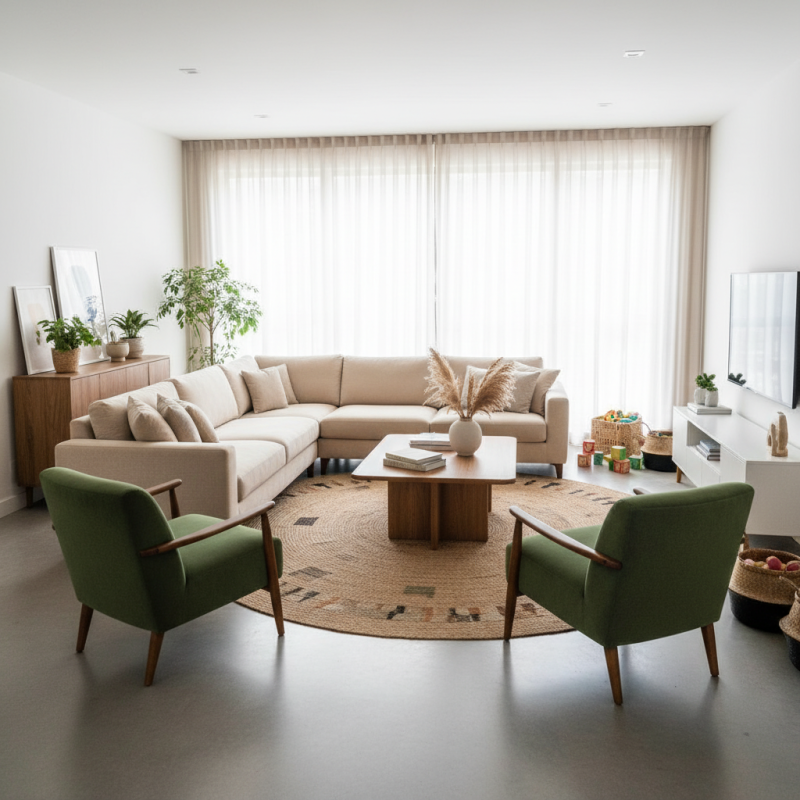
Understanding the functionality of your living space is crucial for creating an effective furniture layout. According to the American Home Furnishings Alliance, 60% of homeowners prioritize comfort and usability. Assess how your living room is used daily. Is it for relaxation, hosting guests, or both? Each scenario demands tailored arrangements.
Consider the flow of movement in the room. A survey from the National Association of Realtors shows that effective layouts enhance the sense of space. Too much furniture can hinder flow, making the room feel cramped. An ideal layout maintains clear pathways, ensuring that spaces feel open and inviting.
Be mindful of lighting as well. Natural light can change how a room feels, impacting mood and functionality. A study from the National Sleep Foundation stated that environments with adequate daylight can improve overall well-being. Arrange seating near windows to maximize light. However, be careful not to overcrowd these vital spaces. An unbalanced setup may require adjusting or relocating pieces, which can be a daunting task. But reflecting on these elements ensures a living room that truly serves its purpose.
When assessing the size and shape of your living room, measurement is key. Use a tape measure to capture the dimensions accurately. This practice ensures your furniture fits well and creates a harmonious flow. Consider the layout's flexibility. A rectangular room invites long sofas, while a square space may benefit from a central coffee table.
Observe natural light and pathways when planning. Positioning a couch near a window creates a cozy reading nook. Yet, it might obstruct foot traffic. Challenge yourself to visualize various configurations. Sometimes the perfect arrangement is hiding in plain sight. Test different setups before settling. This trial and error process can lead to surprising discoveries about your space.
Don't forget the scale of your furniture. Oversized pieces can overwhelm a small room. Meanwhile, tiny furniture might get lost in expansive areas. Aim for balance, but allow some imperfections. An asymmetrical arrangement can evoke interest. A well-thought-out layout enhances not just aesthetic appeal but also comfort and functionality. Think creatively and embrace the quirks of your space.
When creating a living room layout, identifying key furniture pieces is essential. Key items often include sofas, chairs, coffee tables, and entertainment centers. These pieces serve as the foundation of your room. Consider the function of each piece. A sofa should offer comfort and style, while chairs add extra seating and personality.
Tips: Measure your space before purchasing furniture. This will prevent overcrowding. Leave room for movement. Clear pathways encourage flow in your living area.
Don’t be afraid to experiment with placement. What looks good on paper may not feel right in reality. Try different arrangements with your main pieces. For example, placing your sofa diagonally can create visual interest. Additionally, consider how each item interacts with natural light.
Creating a balanced look can be challenging. Think about varying heights with shelves or tall plants. It adds depth and character. Embrace the imperfections in your layout. They often lead to unique, inviting spaces. Allow room for change as your needs evolve.
When arranging furniture in a living room, it’s essential to explore various styles. According to the National Association of Home Builders, comfortable layouts can influence how people use their space. A common arrangement is the conversational grouping. This style promotes interaction with a circular layout. However, achieving balance and symmetry can be challenging.
Another popular option is the asymmetrical layout. This style offers a relaxed vibe, perfect for modern homes. It encourages creative freedom in placing items. However, without careful planning, it can create a cluttered look. The American Society of Interior Designers notes that minimizing space wasted is crucial for optimal furniture arrangement.
Additionally, the open-concept style has gained traction in recent years. Reports show that homes with open layouts can enhance social connectivity. Yet, this layout may compromise privacy. It can be difficult to delineate separate areas. Reflecting on your lifestyle needs can guide your arrangement choices. Understanding these elements ensures each design decision aligns with your home's intent.
| Arrangement Style | Description | Best For | Key Features |
|---|---|---|---|
| Traditional Layout | Symmetrical arrangement with classic furniture pieces | Formal settings and classic aesthetics | Balanced proportions, center-focused design |
| Open Concept | Blends living, dining, and kitchen areas | Modern lifestyles, family interactions | Fluid space, promotes social interaction |
| Sectional Arrangement | Utilizes sectional sofas to define spaces | Casual living, comfort-driven designs | Versatile seating, maximizes space |
| L-Shape Layout | Furniture arranged in an L shape around a focal point | Small to medium rooms, multimedia setups | Cozy atmosphere, encourages conversation |
| Floating Layout | Sofa and chairs placed away from walls | Large rooms that need room definition | Creates a dynamic space, promotes flow |
Creating a living room that reflects your personal style is both an art and a science. Start by identifying your preferences. Do you lean towards modern minimalism, cozy rustic, or vibrant eclectic designs? Once you have a clear picture, assess your space. Measure the dimensions and take note of existing features like windows and doors. These elements will guide your furniture choices and arrangement.
Selecting the right furniture is crucial. Look for pieces that resonate with your chosen style. Mix textures and colors to create depth. A velvet sofa paired with a sleek wooden coffee table might catch your eye. However, ensure that the layout promotes flow and functionality. Test different arrangements to find what feels right.
Don’t shy away from imperfections. A mismatched armchair can add character. It might not fit perfectly, but it tells a story. Incorporate personal touches, such as artwork or family photos. These elements infuse the space with warmth and authenticity. Remember, it’s about creating a living room that feels like home while aligning with your aesthetic sensibility.
: Use a tape measure to capture your room's dimensions accurately. This helps ensure a good fit for your furniture.
A rectangular room suits long sofas. Consider a central coffee table for a square space for a balanced layout.
Position furniture, like a couch near a window. This creates a cozy nook but be cautious of blocking pathways.
Yes, experimenting with layouts can lead to unexpected, pleasing configurations for your living area.
Measure your space before buying furniture and leave clear pathways for easy movement and access around the room.
Embrace imperfections. A mismatched chair can add charm and tell a unique story in your living room.
Identify your aesthetic preferences and select furniture that resonates with your style, mixing textures and colors for depth.
Incorporating family photos or artwork adds warmth, making the space feel inviting and authentically yours.
Use varying heights with plants or shelves to add depth. It's about finding what feels right in your space.
When considering what is the best furniture layout for living rooms, it's essential to start by understanding the functionality of the space. This involves assessing how the living room will be used, whether for entertaining, relaxing, or other activities. The size and shape of the room significantly impact the layout; larger spaces may allow for more diverse arrangements, while smaller rooms benefit from functional and space-saving designs.
Identifying the key furniture pieces—such as sofas, chairs, coffee tables, and entertainment units—helps streamline the arrangement process. Exploring various furniture arrangement styles—like traditional, modern, or eclectic—can contribute to finding the ideal setup. Finally, incorporating personal style and aesthetics into the design ensures that the living room reflects individual taste and creates a welcoming atmosphere for guests. Ultimately, the best furniture layout harmonizes functionality with personal flair.
