How to Choose Perfect Color Schemes for Home Interiors?

Time:2026-06-19 Author:Charlotte
0%

Choosing the right color scheme can transform your home’s interior. It sets the mood and reflects your personality. Expert interior designer, Rebecca Smith, says, "Color is a powerful tool that impacts how we feel at home." Her insights highlight the importance of understanding color dynamics.

When considering how to choose color schemes for home interiors, think about your lifestyle and the function of each space. Light blues can bring calm, while vibrant yellows create energy. The challenge often lies in balancing personal preference with overall harmony. You might love an intense red but need to reflect carefully on its impact.

Experimentation is key. Swatches guide initial decisions, but consider how colors look in different lighting. Mistakes happen, like choosing a color that feels overwhelming. Remember to reflect on your choices and be open to adjustments. The journey of finding the perfect color scheme is an evolving process that defines your living environment.
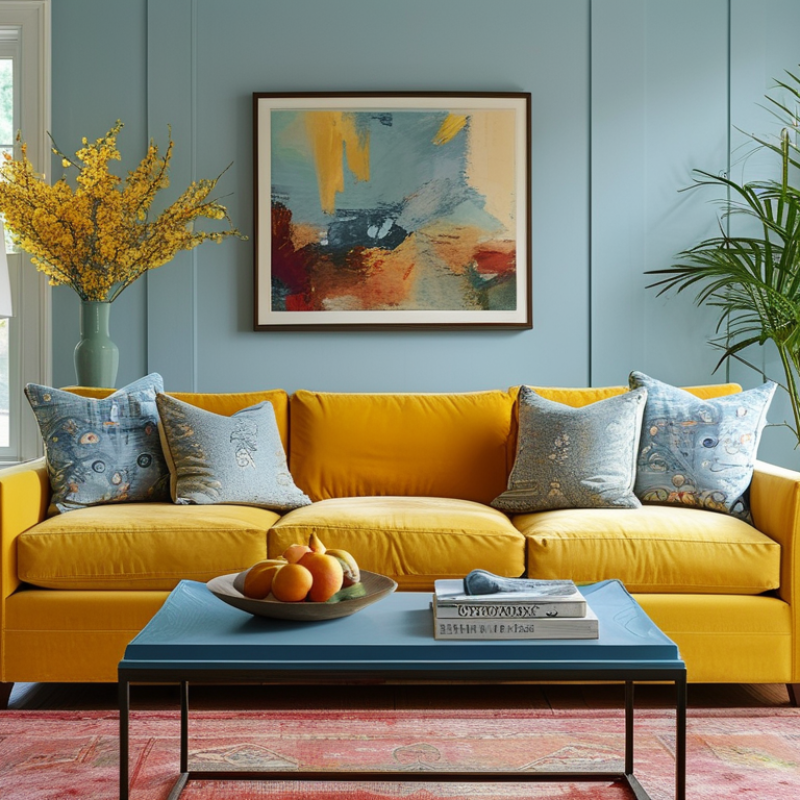
How to Choose Perfect Color Schemes for Home Interiors?

Understanding Color Theory and Its Importance in Interior Design

Color theory is an essential aspect of interior design. It helps in understanding how colors affect moods and perceptions. Knowing the basics of color theory guides homeowners in creating harmonious spaces. For instance, warm colors like reds and yellows can create an inviting atmosphere. However, overusing these tones can result in a chaotic environment.

Conversely, cool colors such as blues and greens promote calmness and serenity. They are ideal for spaces meant for relaxation, like bedrooms. Yet, these hues might feel cold or sterile if not balanced with warmer accents. Understanding the balance is crucial. Experimenting with color combinations can be both exciting and daunting.

Consider the role of lighting as well. Natural light can change how colors appear throughout the day. A color that looked vibrant in the morning might feel dull by evening. This change may lead to dissatisfaction later. Therefore, it’s wise to test colors in different light conditions before final decisions are made.

Identifying Your Personal Style and Preferences for Color Selection

When choosing colors for your home, start by identifying your style. Consider your favorite shades and materials. Are you drawn to calm blues, vibrant yellows, or earthy greens? Think about how these colors make you feel. A soft, neutral palette might evoke warmth, while bold hues can energize a space. Your preferences matter most.

Tips: Look at your wardrobe. What colors do you wear often? This can reveal your comfort zones. Test paint samples on your walls. Observe how sunlight changes the hue throughout the day. Sometimes, what looks great in a store can feel overwhelming in your living room.

Don’t forget about the mood you wish to create. Light shades promote serenity, while dark colors add drama. Reflect on what you want from each room. Gathering inspiration from magazines or websites is helpful. However, be aware of trends that may not suit your personal style. They might inspire you, but don't let them dictate your choices.

Exploring Color Psychology: How Colors Affect Mood and Atmosphere

Colors play a significant role in shaping our emotions and overall atmosphere at home. Using warm colors like red and orange can create a sense of energy and excitement. These hues stimulate conversation and enhance social interactions. However, too much of these colors can become overwhelming and lead to anxiety. It’s essential to balance them with cooler, calming tones.

On the other hand, colors such as blue and green promote tranquility and relaxation. These shades are perfect for bedrooms and meditation spaces. While they provide peace, relying solely on these colors may induce a melancholic vibe. Mixing in warm accents can help uplift the mood.

Each room should be approached thoughtfully. Kitchen colors can stimulate appetite, while living areas benefit from a mix of warmth and calm. Choosing the right colors may involve trial and error. Experimenting with samples can lead to unexpected results. Keep in mind that lighting affects how a color appears. It’s crucial to test colors in different settings before making a final decision.

How to Choose Perfect Color Schemes for Home Interiors? - Exploring Color Psychology: How Colors Affect Mood and Atmosphere

Color Psychological Effect Ideal Room Complementary Colors
Blue Calming, promotes tranquility Bedroom White, Grey, Soft Yellow
Red Energizing, stimulates appetite Dining Room Cream, Black, Gold
Green Restorative, enhances focus Home Office Beige, Light Brown
Yellow Cheerful, increases energy Kitchen Navy, Charcoal
Purple Luxurious, promotes creativity Living Room Gold, Silver, White
Orange Warm, sociable Playroom Aqua, Blue

Tips for Creating Cohesive Color Palettes in Different Spaces

Creating a cohesive color palette is essential for any home. Studies show that using a limited color scheme can enhance a space's aesthetic appeal. For instance, a report by the Color Marketing Group reveals that 73% of interior designers prefer using three to five colors in a room. These colors should complement each other to create harmony.

Consider the emotional impact of color. Warm tones like reds and yellows evoke energy, while cool tones like blues and greens promote calmness. A recent study from the Pantone Color Institute found that colors can even affect mood and productivity. In workspace areas, like home offices or kitchens, opting for bright colors can lead to increased creativity and efficiency.

However, color choices can sometimes lead to regrets. A room painted in a bold color might feel overwhelming after a while. It’s crucial to test paint samples on your walls before making final decisions. Purchasing small sample containers can be an effective strategy. Applying these samples allows you to see how colors change with different lighting. Remember, the overall goal is to create a desired atmosphere that reflects your personality and lifestyle.

Using Color Trends and Seasonal Inspirations for Home Interiors

Choosing the right color scheme for your home can be overwhelming. Seasonal inspirations can guide your decisions. For instance, spring often brings soft pastels. Think pale pinks, gentle blues, and fresh greens. These colors evoke feelings of renewal and energy. In contrast, autumn calls for warm, earthy tones. Rich oranges, deep browns, and muted golds can create a cozy atmosphere.

Understanding color trends is also crucial. While following trends can be tempting, it's essential to reflect on your personal style. Colors that are popular may not resonate with you. This mismatch can lead to a feeling of dissatisfaction in your space. Experimenting with swatches can help pinpoint what speaks to you. Consider combining trendy colors with timeless hues, ensuring a harmonious balance.

Remember, color perception changes with lighting. A shade may look stunning in the store but different in your home. Test patches on your walls before committing to a full paint job. Sometimes, the perfect color scheme takes time to develop. Embrace the process and allow your home to evolve with your tastes and the seasons.

FAQS

: How can I identify my personal color style for home decor?

: Start by considering your favorite colors. Reflect on how they make you feel.

What should I do if I feel overwhelmed by color choices?

Test paint samples on your walls. Observe changes with different lighting throughout the day.

How many colors should I use in a room?

Studies suggest using three to five complementary colors for balance and harmony.

Can colors really affect my mood?

Yes, warm tones can energize, while cool tones promote calmness. It’s essential to consider your emotional response.

What if I regret my bold color choice?

Bold colors can feel overwhelming over time. Always test samples before committing to a full paint job.

Should I follow current color trends for my home?

While trends can inspire, prioritize your personal style. Mismatched trendy colors might lead to dissatisfaction.

How can seasonal colors influence my home decor?

Seasonal colors evoke specific feelings. Soft pastels for spring and earthy tones for autumn create different atmospheres.

What’s a good strategy for combining trendy and timeless colors?

Experiment with swatches. Mix trending shades with classic hues for a cohesive look that suits you.

How do I ensure my color scheme stays cohesive?

Use a limited color palette that complements each other. This enhances the aesthetic appeal of your space.

Can my home’s color change over time?

Yes, allow your taste to evolve. Embrace change and adapt your color scheme as seasons and styles shift.

Conclusion

Choosing the perfect color schemes for home interiors involves understanding color theory and its significance in design. Familiarity with basic color concepts helps homeowners create environments that are not only aesthetically pleasing but also functional. To begin, it’s essential to identify your personal style and preferences—this foundational step ensures that the colors selected resonate with your individual taste and the overall vision for your space.

Moreover, exploring color psychology reveals how colors influence mood and atmosphere, enabling homeowners to curate spaces that evoke desired feelings. Practical tips for developing cohesive color palettes across different rooms are crucial in maintaining a harmonious flow throughout the home. Finally, staying attuned to color trends and seasonal inspirations can provide fresh ideas and a contemporary touch. By following these guidelines on how to choose color schemes for home interiors, one can effectively transform their living space into a reflection of personal style and comfort.

Charlotte

Charlotte

Charlotte is a seasoned marketing professional with a deep understanding of the company's portfolio and a passion for elevating its presence in the market. With a keen eye for detail and a commitment to excellence, she ensures that our professional blog is regularly updated with insightful articles......