Fance Home
Choosing the right tableware for daily use can enhance your dining experience. It seems simple, but there are many factors to consider. Understanding how to choose tableware for daily use involves both practical needs and personal style.
Materials play a crucial role. Everyday tableware should be durable yet aesthetically pleasing. Porcelain and stoneware are popular choices. They are sturdy and easy to clean. Look for sets that can withstand daily wear and tear.
Functionality comes next. How many people will you serve? Consider your household size. If you often host guests, opting for versatile pieces is wise. Mixing and matching can also add personality to your collection. Reflect on your lifestyle; choose designs that resonate with you yet are practical. Tableware is not just about looks; it needs to be functional too.
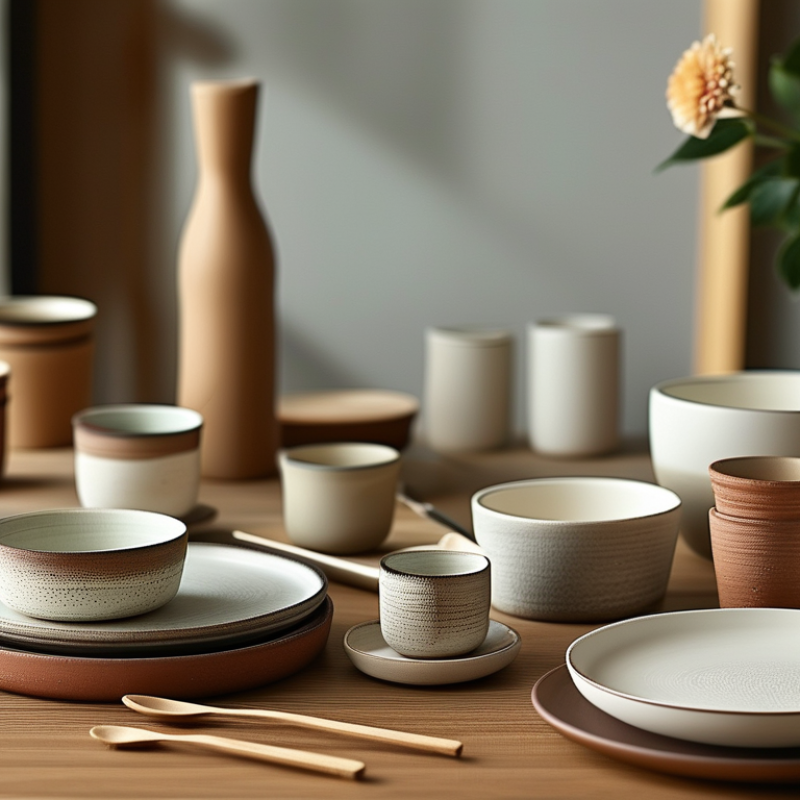
Choosing the right tableware can enhance your dining experience. While many materials are available, each has its own unique properties. Ceramic is a popular choice. It is durable and offers a variety of designs. The glaze on ceramics can also make cleaning easier. However, it may chip if mishandled.
Porcelain is another excellent option. Often perceived as more elegant, porcelain is strong and resistant to scratches. Its lightweight design makes it a favorite for everyday use. Yet, its fragility can be a drawback, especially for families with young children. Consider melamine as well. This plastic material is break-resistant and ideal for outdoor dining. But it may not have the same aesthetic appeal as ceramics or porcelain.
Glass tableware is timeless. It provides a clean look, making any meal feel special. However, it can break easily if not handled with care. Each material offers benefits and challenges. Think about your lifestyle and how often you'll use the items. Balancing aesthetics with durability is key.
Choosing the right tableware for everyday use starts with understanding your lifestyle. Factors like family size, dining habits, and cooking frequency play a crucial role. If you frequently host gatherings, consider durable yet stylish options. Research from the Home Furnishings Association shows that 72% of people prioritize functionality over aesthetics when selecting tableware. This balance is essential, especially for families with young children or busy schedules.
Material preferences also reflect one's lifestyle. Ceramic and glass are common for their durability and ease of maintenance. In contrast, melamine is often chosen for outdoor use due to its lightweight nature. According to a recent study, nearly 50% of consumers look for microwave-safe options, highlighting the need for convenience. However, it's worth reflecting on how often you truly use these items versus their storage demands. Some may end up rarely used, contributing to clutter.
Another aspect to consider is the frequency of use. On average, households use only 30% of their tableware regularly. This insight prompts a deeper examination of what you genuinely need versus what you think you should have. A minimalist approach can help streamline your collection while ensuring your choices align with your everyday life. Thoughtful selection leads to more meaningful dining experiences.
Choosing tableware for daily use involves careful consideration of design and aesthetics. When selecting pieces, evaluate the overall style that complements your home. Think about the colors, patterns, and shapes. A modern set may feature clean lines and neutral tones. In contrast, a vintage collection could offer intricate designs and warm hues. Each piece should reflect your personal taste and create a cohesive look.
Functionality is equally important. While a beautiful plate catches the eye, it must also be practical for everyday meals. Consider materials that suit your lifestyle. Porcelain might be elegant, but it can chip easily. Stoneware is durable yet can be visually appealing. Reflect on your dining habits before making a decision.
Ultimately, the right tableware brings joy to daily meals. It should inspire you to set a lovely table, even for simple breakfasts. The balance between aesthetics and practicality may take time to find. Don't hesitate to mix and match styles for a unique setting. Embrace the imperfections in your collection; these stories can foster delightful memories.
Choosing the right size and shape for everyday tableware is crucial for both functionality and aesthetic appeal. Research indicates that 70% of consumers prefer dinner plates with an average diameter of 10-12 inches. This size offers the perfect balance between presentation and being practical for portion sizes. Smaller plates, typically around 7-9 inches, are ideal for appetizers or desserts, encouraging mindful eating by reducing portion sizes.
When considering shape, round plates dominate the market, accounting for 85% of tableware sales. Their versatility makes them suitable for various cuisines. However, rectangular plates are gaining popularity, especially for presenting modern dishes artistically. According to industry experts, rectangular designs can enhance visual appeal, prompting consumers to engage more with their meal. It's important to note that shapes can influence how food portions are perceived. A wider plate can make small portions look sparse, while a narrower plate may help control serving sizes.
Evaluating your space and usage patterns is essential. Large families may require larger sets, while single individuals might choose smaller, diverse styles. Remember, the tableware should not only fit your lifestyle but also reflect your personal style. As you explore options, be open to experimenting with shapes and sizes. Each decision can greatly impact both functionality and the dining experience.
When selecting tableware for everyday use, budget considerations play a crucial role. Many consumers believe that quality comes with a hefty price tag. However, a recent survey by the National Kitchen & Home Improvement Association revealed that 45% of buyers seek a balance between cost and durability. Investing in durable materials can save money in the long run, reducing the need for frequent replacements.
Understanding your daily usage can also guide your choices. If you host large gatherings, opt for heavier ceramics or stoneware, even if they are a bit pricier. According to industry data, stoneware can last up to four times longer than cheaper alternatives. However, if your needs are minimal, lightweight options may suffice. Remember, spending less on fragile pieces may lead to more costs over time due to breakage.
Value can also be found in multifunctional items. Look for tableware that serves more than one purpose. For instance, plates that double as serving trays can declutter your collection. This not only saves space but also enhances your dining experience. Reflect on your habits and make informed choices to create a lasting and beautiful table setting.
| Category | Material | Price Range | Durability | Ease of Care |
|---|---|---|---|---|
| Plates | Porcelain | $20 - $100 | High | Dishwasher Safe |
| Bowls | Stoneware | $15 - $50 | Medium | Dishwasher Safe |
| Cups | Glass | $10 - $40 | Medium | Hand Wash Recommended |
| Cutlery | Stainless Steel | $25 - $150 | High | Dishwasher Safe |
| Serving Dishes | Melamine | $15 - $60 | Low | Dishwasher Safe |
: Ceramic is popular for its durability and diverse designs. It can chip if mishandled.
Porcelain is elegant and strong but can be fragile. It's lightweight and resistant to scratches.
Yes, melamine is break-resistant and ideal for outdoor dining. It lacks some aesthetic appeal.
Glass tableware has a clean look. It can break easily, requiring careful handling.
Evaluate colors, patterns, and shapes that complement your home style for a cohesive look.
Beautiful plates need practicality. Consider materials that fit your dining habits and everyday use.
Quality doesn't always mean high price. Balance cost against durability for smart purchasing decisions.
Choose heavier ceramics or stoneware for larger gatherings, even if slightly more expensive.
Look for items that serve multiple purposes, like plates that double as serving trays.
Yes, imperfections tell stories and can create delightful memories during meals.
When considering how to choose tableware for daily use, it's essential to understand the various materials available, such as ceramic, glass, and melamine, each offering unique benefits. Evaluating your lifestyle needs will help determine whether you require durable options for family meals or elegant pieces for entertaining guests.
Additionally, aesthetic preferences play a significant role; choose designs that complement your home décor while remaining functional. Size and shape should also be aligned with your dining space and the types of meals you typically serve. Finally, budgeting for quality tableware is critical—look for pieces that provide good value without compromising on style or durability. By considering these factors, you can select tableware that suits both your practical needs and aesthetic desires.
