Fance Home
Creating a cohesive home interior design can transform your living space into a harmonious sanctuary. Many homeowners struggle with blending styles and colors. This journey can be rewarding yet challenging. It requires bold choices and an understanding of design principles.
When learning how to create a cohesive home interior design, focus on unity and consistency. Each element in your home should tell a story. Consider how your furniture, colors, and accessories work together. Small details can make a big difference. A mismatched piece may disrupt the overall flow. Aim for balance between functionality and aesthetics.
Reflect on your personal style and how it influences your space. Don’t hesitate to experiment, but remain mindful of the overall theme. Embrace imperfections; they often add character. Each decision shapes your environment. With effort and thoughtfulness, your home can truly reflect who you are.
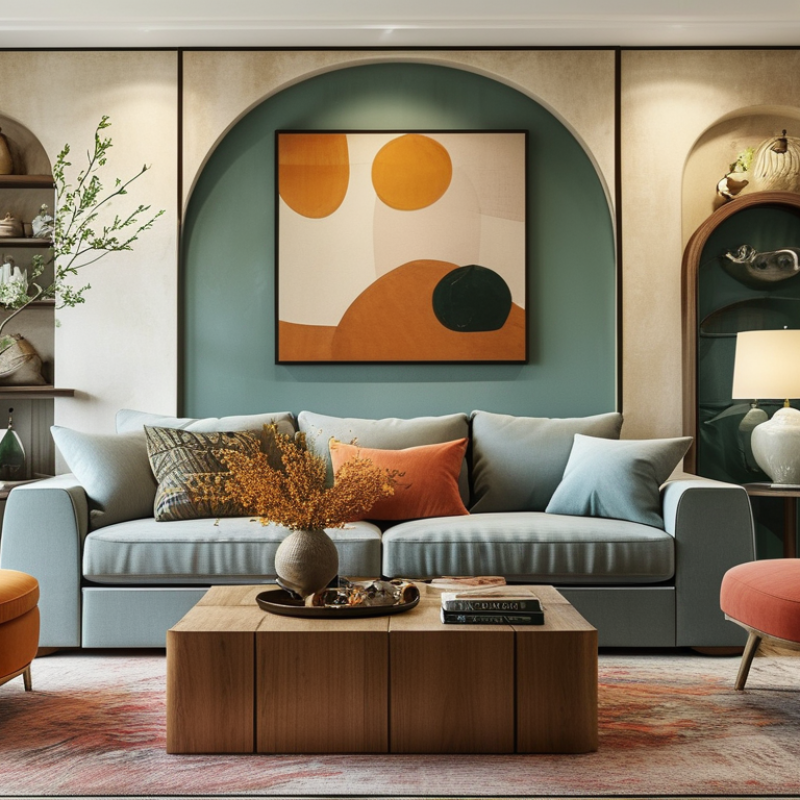
Cohesive interior design is about creating a harmonious space. It involves balancing colors, textures, and shapes. Each element should complement the other. This allows for a seamless flow from room to room.
Start by selecting a color palette. Choose three to five colors that resonate with you. Use these colors across furniture, walls, and decorations. For instance, soft blue walls can be paired with darker blue accents. This not only ties the rooms together but also creates a calming atmosphere.
Textures matter too. Combine smooth and rough surfaces to add depth. You might have a sleek leather sofa with a knitted throw. It adds warmth to the space. Reflect on your choices regularly. What feels off? Does a particular piece clash? Tweak those areas for an even more cohesive look.
This bar chart illustrates the most popular tips for achieving cohesive interior design based on a recent survey of interior design enthusiasts. The data highlights the key aspects that individuals focus on when creating a harmonious living space.
Choosing a color palette is crucial for uniting spaces in a home. It sets the mood and creates harmony. Start by selecting a few base colors. Think about how the light in your home interacts with these colors. Warm tones can make a room feel cozy. Cool tones often create a calm atmosphere.
Explore different shades within your chosen colors. A lighter hue can serve as a neutral background. Darker shades add depth and can highlight specific areas. Pay attention to transitions between different rooms. As you move from one space to another, color should flow. This encourages visual continuity.
Don’t hesitate to experiment. Sometimes, a bold accent color can unify disparate elements. However, avoid overwhelming the senses. A good rule is to keep three primary colors and add one accent. Creating a cohesive look can be challenging. But, with thoughtful choices, your interior can reflect a unified aesthetic.
Selecting furniture that complements your style and space requires intuition and knowledge. Industry reports indicate that nearly 78% of homeowners prioritize a cohesive aesthetic when furnishing their homes. This means that every piece should resonate with the overall design theme. For instance, a modern minimalist approach will often clash with ornate Victorian styles, creating disarray rather than harmony.
Consider the scale and proportion of your space. Pieces that are too large can overwhelm a room, making it feel cramped. Research shows that apartments under 1,000 square feet benefit from multifunctional furniture. Items like storage ottomans or extendable dining tables can save space while adding functionality. However, choosing too many pieces for utility might lead to clutter and confusion in design.
Color schemes also play a crucial role. A consistent palette can unify diverse furniture styles. Statistics suggest that 60% of successful interior designs use three to four main colors throughout. However, one must be cautious. Over-reliance on trend palettes can quickly date a space. Choosing a timeless base while adding trendy accents can anchor your design more effectively. Balancing aesthetics with practicality is essential for achieving long-lasting appeal in home interiors.
| Furniture Type | Style | Color Scheme | Material | Space Recommendation |
|---|---|---|---|---|
| Sofa | Modern | Neutral Tones | Fabric | Living Room |
| Dining Table | Rustic | Warm Hues | Wood | Dining Room |
| Bed | Contemporary | Pastels | Upholstered | Bedroom |
| Coffee Table | Industrial | Dark Colors | Metal and Glass | Living Room |
| Bookshelf | Traditional | Earth Tones | Wood | Home Office |
Creating a cohesive home interior design requires a keen eye for textures and patterns. Blending these elements can enhance visual harmony. Begin by selecting a color palette that resonates throughout your space. Use neutral backgrounds to allow textures to shine. For instance, a soft linen sofa paired with a chunky knit throw adds warmth and dimension.
Consider the balance of patterns. Too many competing designs can make a space feel chaotic. Instead, mix bold patterns with subtle ones. Combine a geometric rug with floral cushions for contrast. Introduce varying textures, such as smooth ceramics and rough wood, to keep the eye engaged.
Experimentation is key. Don't be afraid to play with different combinations. A well-placed accent wall can transform a room. Reflecting on your choices can lead to unexpected discoveries. Sometimes a design element that seemed perfect might feel off in practice. Take the time to assess these and make adjustments. Embracing imperfections can lead to a more personal and inviting space.
Creating a cohesive home interior design hinges significantly on effective lighting solutions. Proper lighting can unify different spaces and enhance the overall atmosphere of your home. Think about how natural light interacts with your decor. Large windows can make a room feel open and inviting. Layered lighting adds depth and warmth. Use a mix of ambient, task, and accent lighting to create a balanced feel.
Consider the color temperature of your light bulbs. Warmer tones can promote relaxation, while cooler tones can invigorate a space. It’s often overlooked, but choosing the right wattage is crucial. Too dim may lead to discomfort, while overly bright can feel harsh. Pay attention to shadows, and how they dance on your walls. They can enhance or detract from the mood you want to create.
Incorporating floor and table lamps can provide flexibility. They can be moved to suit your needs throughout the day. Remember, it’s essential to reflect on how light makes you feel in your space. Try out different arrangements. Sometimes, a small change can have a big impact. Don’t hesitate to ask for feedback from friends. They might see your design from a new angle.
: A color palette sets the mood and creates harmony throughout the spaces in a home.
Natural light interacts with colors differently. It can change how warm or cool tones feel in a room.
Choose a few base colors and explore their shades. Lighter hues can work as neutral backgrounds.
Color should transition smoothly as you move from one space to another. This encourages visual continuity.
Yes, bold accent colors can unify a look. Just don’t overwhelm your senses with too many contrasting colors.
Proper lighting unifies spaces and enhances the atmosphere. It’s crucial for creating a cohesive feel.
Warmer light encourages relaxation, while cooler light can energize a space. Choose wisely for your desired mood.
Wattage matters. Too dim can cause discomfort, and too bright can feel harsh. Aim for balance.
Incorporate movable lamps for flexibility. Small changes can make a significant impact on how a space feels.
Seeking opinions from friends can reveal perspectives you might miss, enhancing your overall design.
Creating a cohesive home interior design involves several key elements that work together to establish a unified aesthetic throughout your living space. First, it's essential to understand the foundation of cohesive design, which revolves around a consistent theme and style that reflects your personality. Selecting a harmonious color palette that connects different areas of your home is crucial; it sets the tone and mood while facilitating a seamless transition from room to room.
Additionally, choosing furniture pieces that complement both your personal style and the available space enhances the overall design. Incorporating various textures and patterns can add depth and visual interest, creating a sense of balance. Finally, thoughtful lighting solutions play a vital role in amplifying the cohesive atmosphere, illuminating your home in a way that ties all elements together. By following these strategies, you can learn how to create a cohesive home interior design that truly feels like a harmonious sanctuary.
