Fance Home
A well-designed home should look considered and work smoothly in daily life. Yet these goals can compete: a sculptural chair may crowd a narrow walkway, while a practical storage unit can make a room feel flat. This guide explores how to combine functionality and aesthetics in home decor without treating either as an afterthought. Small choices matter. The height of a reading lamp, the reach of a drawer, and the texture underfoot shape how a room feels and functions. Layered lighting can serve different needs throughout the day. A warm table lamp may suit evening reading, while clear overhead light helps with everyday tasks.
Reliable design starts with observing real habits, not copying a staged photograph. Note where bags collect, how sunlight moves across the sofa, and whether guests can pass comfortably around the dining table. Measure before buying, check product dimensions, and favor durable materials suited to the room’s use. A washable rug may be wiser than a delicate one near the kitchen. Still, rules are not perfect. A beautiful object might earn its place even if it serves no obvious task, and an organized room can feel sterile. I have found that even a thoughtful plan sometimes needs adjusting after a room is lived in. The sections ahead consider layout, storage, lighting, color, and materials, with practical ways to support comfort and visual harmony. Start with what you use. Then shape the room around it.
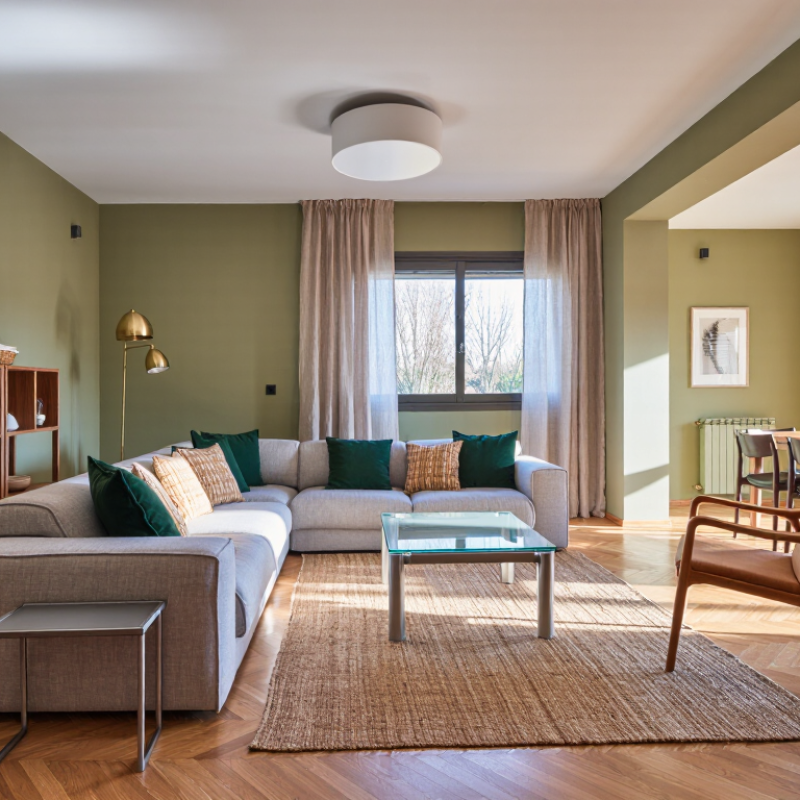
Before choosing colors or furniture, define what each room must do. A kitchen may need clear preparation space, easy-to-wipe surfaces, and a place for quick meals. A living room might support conversation, reading, and occasional guests. Write down the three tasks that matter most. Keep the list nearby.
Next, match those goals to the room’s actual dimensions and daily habits. In a bedroom, leave a comfortable path from the bed to the door, and place a lamp where it can be reached without stretching. In a home office, consider glare on the screen, task lighting, and storage for items used every day. Measure before buying; a beautiful chair is less useful if it blocks a drawer. Small details count.
Then choose an aesthetic that supports the room’s purpose. Soft colors and textured fabrics can make a bedroom feel restful, while a durable rug may suit a busy sitting area better than a delicate one. Limit the palette to a few related tones, and repeat materials or shapes for a sense of order. Still, a perfectly coordinated room can feel stiff. Leave space for a well-loved book, an uneven handmade bowl, or another object that matters to you. The plan may need adjusting once you live with it.
A room can feel polished and still frustrate you if its layout ignores everyday movement. Measure the walls, door swings, and walking paths before selecting furniture. Measure twice. Sketch where people enter, sit, and set down bags or cups. In a narrow living room, a slim side table may work better than a wide coffee table. Keep frequently used routes clear, even if that means leaving an attractive corner bare. Small details matter.
Lighting deserves the same careful assessment. Notice where daylight falls in the morning and whether a nearby building blocks it later. A desk beside a bright window may need a shade to reduce screen glare. At night, combine soft general light with focused lamps for reading or cooking. Test the setup after sunset. A beautiful pendant can still leave a kitchen counter in shadow.
Daily routines should shape the final choices. If shoes collect near the entrance, plan for a small bench and easy-to-reach storage. If you read on the sofa, place a lamp where it lights the page without shining into your eyes. I’ve found that rooms planned only for photographs often feel awkward after a week of real use. I still sometimes underestimate how much floor space a chair needs when pulled back; marking its footprint with paper can reveal the problem before furniture arrives.
Furniture should make daily routines easier before it tries to make a room look polished. Measure the space, including doorways and walking paths, before choosing a sofa or dining table. A beautiful chair is less useful if it blocks the route to the kitchen. Leave enough room to pull out chairs and open drawers without shifting other furniture.
Choose storage based on what you actually use. A shallow basket near the entry can hold keys and gloves, while closed cabinets keep chargers and paperwork out of sight. In a small living room, an ottoman with a removable lid can store blankets and serve as a footrest. Check that frequently used items sit within easy reach; storage that is awkward to access often goes unused. Small things matter.
Materials also affect everyday comfort. A sturdy tabletop handles meals and homework better than a delicate surface that needs constant protection. Look for finishes you can clean with ordinary care, and test drawers or doors for smooth movement. Still, there is no perfect arrangement. A room may look balanced on paper but feel cramped once people gather. Leave some flexibility, and adjust after living with the layout.
A cohesive room begins with a small, repeatable palette: one dominant color, one supporting shade, and a restrained accent. Repeat the accent in a cushion, a ceramic bowl, and a lampshade. The effect feels intentional, not staged. In its 2024 U.S. Houzz & Home Study, Houzz reported that 54% of surveyed homeowners renovated in 2023, a reminder that even modest updates benefit from planning. Test paint beside your flooring in morning and evening light; colors can shift more than expected.
Materials need contrast, but not competition. Pair a smooth surface, such as painted cabinetry, with a tactile element like linen or unfinished wood. Keep undertones aligned: a warm oak table may look uneasy beside cool gray flooring. It is easy to miss this. I have found that a fabric sample placed beside the actual floor reveals clashes that small online swatches hide. Leave a little imperfection; too many matching finishes can make a room feel flat.
Decor should earn its place. A shallow tray can gather keys, while a focused reading lamp adds useful light and a warm pool beside an armchair. The U.S. Department of Energy notes that LED bulbs use at least 75% less energy than incandescent bulbs, making efficient lighting a practical design choice. Choose a warm color temperature for relaxing spaces, then repeat the lamp’s metal or finish elsewhere. Not everywhere. A single mismatch can add character, though it may need reconsidering once the whole room is visible.
Coordinate colors, materials, and decor for visual harmony
Relative luminance is calculated from each color’s sRGB hex value. Use lighter tones for larger surfaces to help rooms feel brighter, then add deeper shades as accents for contrast and visual depth. Actual material appearance varies with finish and lighting.
Lighting can make a practical room feel inviting without changing its layout. Use a focused lamp beside a reading chair, then add softer light near the sofa. Warm bulbs often make evening spaces feel comfortable, while clear task lighting helps with cooking or reading. Avoid relying on one bright ceiling fixture. It can flatten a room and leave corners feeling forgotten.
Textiles add comfort and help define how each area is used. A woven rug can anchor a dining table, while linen curtains soften hard window frames. Choose fabrics that suit daily life, not just a photograph. A washable cover may be more useful than a delicate throw in a busy home. It is easy to add too many cushions; step back and remove one if the seating feels crowded. Personal details matter, too. A framed sketch, a bowl collected on a trip, or a well-used book can make a room feel lived in. Keep some surfaces clear. Not every memory needs a display.
Tips: Check lighting at different times of day before settling on a layout. Layer one task light, one ambient source, and a textile with a pleasing texture. If a detail feels forced, give it a few days—or move it.
Measure walls, doorways, door swings, and walking paths. Mark chair footprints with paper before delivery.
Choose slim tables and keep common routes clear. An empty corner can be useful.
Watch where daylight falls in the morning and evening. Test lamps after sunset, too.
Place a focused lamp beside the reading chair. Use clear task lighting over counters, with softer light nearby.
Keep keys and gloves in an easy-to-reach entry basket. Use closed cabinets for chargers and paperwork.
A storage ottoman can hold blankets and serve as a footrest. Check that drawers open without moving other furniture.
Choose sturdy surfaces and fabrics that are easy to clean. A washable cover may be more practical than a delicate throw.
Display a framed sketch, a travel bowl, or a well-used book. Keep some surfaces clear; not every keepsake needs showing.
Adjust it after living with the arrangement. I still underestimate how much space a pulled-back chair needs.
Step back and remove a cushion if seating feels crowded. Give uncertain details a few days, or move them.
Creating a balanced home begins with defining the purpose of each room and deciding what it should feel like. Consider how the space is used every day, then assess its layout, available space, natural light, and practical needs before making design choices. These observations help guide decisions about furniture, circulation, storage, and the atmosphere you want to create.
To understand how to combine functionality and aesthetics in home decor, choose furniture and storage that make daily routines easier while fitting the room’s proportions. Build visual harmony by coordinating colors, materials, and decorative pieces, and avoid adding items that compete for attention. Finally, refine the design with layered lighting, comfortable textiles, and personal details. The result can be a home that looks cohesive and inviting while remaining practical, comfortable, and suited to the people who live there.
