 Fance Home
Fance Home
Fance Home
Customizing furniture to meet unique needs is becoming increasingly important in today’s diverse living environments. According to the Furniture Industry Research Association (FIRA), over 45% of consumers seek tailored solutions for their homes. This statistic highlights a growing trend towards personalization in furniture design. Industry expert Sarah Bartlett emphasizes the significance of understanding individual requirements, stating, "How to customize furniture for different needs is not just about aesthetics; it's about functionality and comfort."
Creating a space that reflects one's personality requires thoughtful customization. Each piece of furniture should be more than decorative; it should serve a purpose and enhance daily life. Flexibility is key. For example, modular sofas can adjust to different layouts, while height-adjustable tables cater to various activities. These options reveal the importance of considering practical aspects when deciding how to customize furniture for different needs.
However, customization is not always straightforward. It can be a challenge to balance personal style with space constraints. Scheduling consultations, selecting materials, and coordinating deliveries can also lead to uncertainty. Reflecting on this process is crucial for achieving a truly personalized outcome. Every decision matters in creating a harmonious space that embodies both function and beauty.
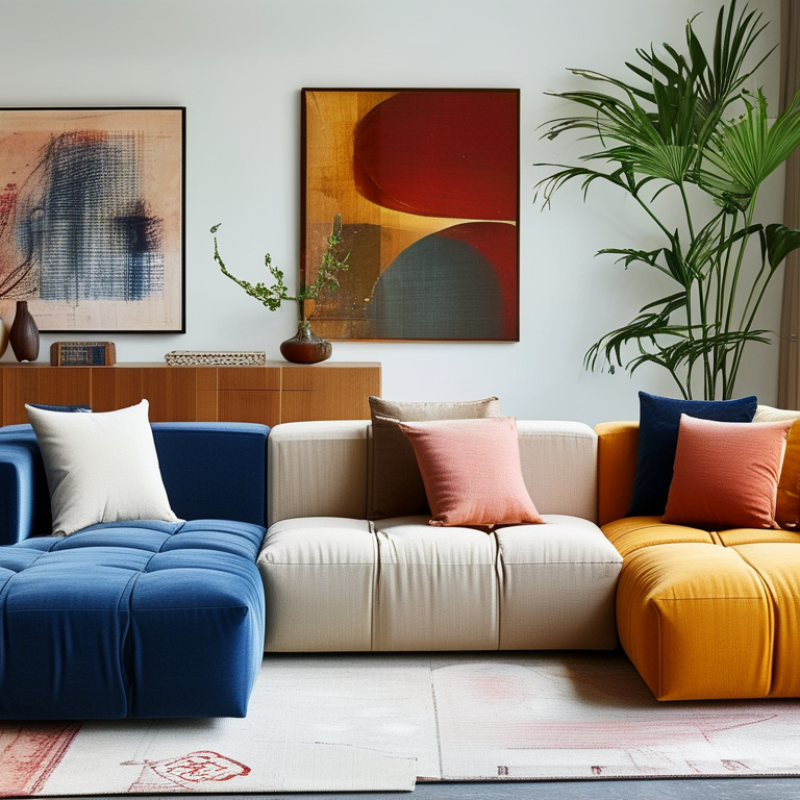
When customizing furniture, understanding your space is crucial. Start by measuring the room. Obtain the room's dimensions, including height, width, and depth. Note the placement of windows, doors, and electrical outlets. This meticulous approach lays the foundation for effective furniture design.
Consider the furniture layout. Think about how you will navigate the space. Is there enough room to walk comfortably? Avoid crowding the area. Leave pathways clear. Reflect on your daily activities in that space. What furniture will facilitate those tasks? Sometimes, certain arrangements may not work, and adjustments will be necessary. Don't hesitate to rethink your initial ideas if they don't fit well.
Think about the ambiance too. The colors and materials of furniture should resonate with your vision. Dark colors can make a room feel smaller, while lighter tones open up space. Consider inconsistencies in your layout as opportunities for creativity. Experimenting can lead to surprising solutions that enhance both function and aesthetics. Embrace the process of trial and error. It often leads to the most tailored results in your unique space.
: Begin by measuring your room. Get the dimensions, including height, width, and depth.
Think about navigation space. Ensure pathways are clear and furniture is not overcrowded.
Choose colors and materials that align with your vision. Light colors can open up space.
Explore options like wood, metal, and fabric. Each has unique characteristics and styles.
Bold colors can energize, while neutrals promote calm. Reflect on the mood you wish to create.
Consider durability and maintenance. Matte covers imperfections, while gloss adds vibrancy.
View them as opportunities. Experimenting can lead to innovative solutions for your space.
Balance is key. Simplicity can often enhance elegance in your overall design.
Think about your long-term needs and personal style goals. Reflecting helps guide decisions.
Yes, adjustments are part of the process. Embrace trial and error for the best results.
Customizing furniture to meet unique needs and fit specific spaces is essential for creating both functional and aesthetically pleasing environments. To effectively learn how to customize furniture for different needs, start by assessing the dimensions and layout of your space to ensure that any tailored pieces will fit appropriately. Next, consider your personal preferences for functionality and style, which will help guide the design process.
Exploring various customization options such as materials, colors, and finishes allows you to express your individuality while ensuring the furniture serves its intended purpose. Collaborating with skilled craftsmen is crucial; selecting the right professionals will enhance the quality of your custom pieces. Finally, when implementing your design, pay attention to installation and adjustment tips to ensure everything fits seamlessly within your space. This holistic approach to customization not only satisfies individual needs but transforms your living or working environment.
