10 Essential Tips for Choosing Durable Bathroom Materials?

Time:2026-06-04 Author:Sophia
0%

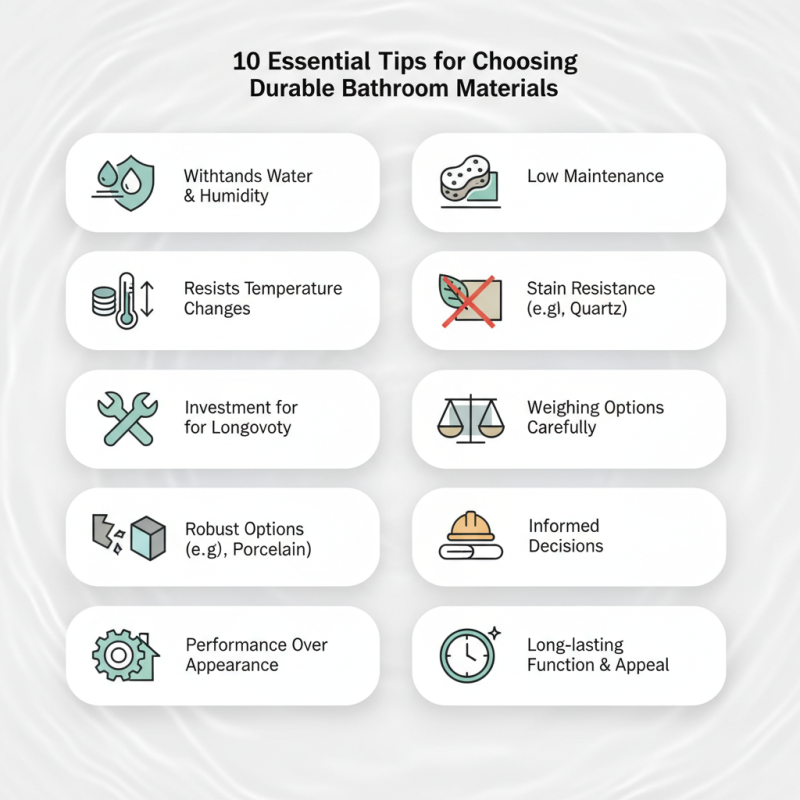
Choosing bathroom materials for durability involves careful consideration. A bathroom is a high-moisture area. This means the materials you select must withstand water, humidity, and temperature changes. Knowing how to choose bathroom materials for durability can save you time and money in the long run.

You may be tempted to cut corners to save costs. However, low-quality materials often lead to more repairs and replacements. For instance, using cheap tiles can result in cracked surfaces over time. Investing in robust options like porcelain creates a solid foundation. Instead of focusing solely on appearance, consider the performance of materials.

Another factor is maintenance. Some materials require more upkeep than others. For example, natural stone may be beautiful but can stain easily. On the other hand, quartz is both stylish and durable. It's essential to weigh your options carefully, even if it means facing hard truths about cost and longevity. Make informed decisions to ensure your bathroom remains functional and appealing for years.
10 Essential Tips for Choosing Durable Bathroom Materials?

Understanding Bathroom Durability: Key Material Considerations

When selecting materials for your bathroom, durability should be a primary concern. This space often deals with moisture, heat, and heavy use. The right materials will last longer and withstand daily wear. Consider porcelain tiles for flooring; they are resistant to water and scratches. Natural stones, while beautiful, can absorb moisture if not sealed properly.

Tip: Avoid materials that need constant maintenance. For instance, wooden vanities may look great but can warp over time. Instead, opt for engineered wood or laminate. These options offer durability without the upkeep.

Implementing sturdier materials will save you money long-term. Check for warranties to ensure quality. Remember, some materials may seem appealing initially but could lead to regrettable choices later. Think about slip resistance, especially for wet areas. Choosing the wrong surface can lead to accidents. Assessing longevity against aesthetic appeal can provide balance.

Evaluating Moisture Resistance in Bathroom Materials

When selecting bathroom materials, moisture resistance is crucial. Bathrooms are high-moisture areas, and the right choices can prevent issues like mold and decay. One popular material is ceramic tile. It resists water effectively and comes in various styles. However, grout lines can absorb moisture if not sealed properly.

Another option is vinyl flooring. It's waterproof and easy to maintain. Yet, lower-quality products might wear out faster, especially around sinks and tubs. Make sure to choose high-quality vinyl to ensure longevity. Natural stone, while beautiful, often requires more maintenance. Some types are porous and can absorb water, leading to damage.

Consider wall materials as well. Paint designed for humid areas can protect against moisture. But improper application can lead to peeling and damage. Always test the products in a small area first. These choices align with your bathroom’s overall functionality and aesthetics. Moisture resistance is not just about looks; it affects durability and safety long term.

Analyzing Maintenance Requirements for Long-Lasting Performance

When selecting bathroom materials, considering maintenance requirements is vital for longevity. A durable material can withstand moisture and wear. For instance, ceramic tiles are less prone to mold and mildew. They are easy to clean, making them a popular choice. However, ensure the grout is sealed properly. Unsealed grout can lead to stains and damage over time.

Natural stone adds elegance to any bathroom but requires more care. It can be porous, absorbing water, leading to potential stains. Regular sealing helps maintain its beauty and durability. Another option is acrylic surfaces. They are resistant to scratching and staining, but they can yellow over time. Choose wisely based on your cleaning habits and aesthetic preferences.

Each choice has its trade-offs. Analyze how often you clean and your willingness to perform maintenance. Reflect on the balance between appearance and resilience. The right materials enhance both the beauty and functionality of your bathroom, but only with proper upkeep. Avoiding shortcuts during maintenance is crucial for lasting performance.

Choosing Sustainable and Eco-Friendly Bathroom Materials

Choosing sustainable and eco-friendly bathroom materials is crucial for both environmental health and personal well-being. The global market for eco-friendly building materials has been projected to reach $255 billion by 2027, according to a recent industry report. This showcases a growing consumer preference for materials that contribute to energy efficiency and reduce carbon footprints.

Opting for materials like reclaimed wood or recycled tiles can significantly decrease environmental impact. For example, recycled ceramic tiles save approximately 70% of water compared to traditional production. Many homeowners underestimate the long-term benefits of such choices. Sustainable materials can lead to reduced utility bills and longer-lasting fixtures. Yet, durable doesn’t always mean eco-friendly. Consumers sometimes opt for cheaper, less sustainable options that require frequent replacements, creating waste and heightening their carbon footprints.

An informed decision often includes examining certifications like LEED or GreenGuard. Such certifications can guide you toward materials that are not only durable but also non-toxic. Certifications emphasize the importance of indoor air quality, a factor that often gets overlooked. As we move toward more sustainable living practices, acknowledging these aspects can transform bathroom spaces into eco-conscious retreats.

Budgeting for Quality: Cost vs. Durability in Material Selection

When selecting bathroom materials, balancing cost and durability is crucial. Research shows that homeowners often prioritize aesthetics over longevity. However, quality materials save money in the long run. For instance, porcelain tiles may cost more upfront but last up to 50 years. Vinyl flooring, while cheaper, often needs replacing within 20 years.

Consider these tips when choosing materials. First, assess the moisture resistance of options. Stone and ceramic are excellent choices for humid environments. Second, think about maintenance. A material that appears beautiful today may require more upkeep. Lastly, consider the warranty. A lengthy warranty indicates confidence in a product’s durability.

Budgeting for quality is vital. A 2021 study found that 70% of home improvement projects exceed their budget due to poor material choices. Investing wisely in durable options contributes to long-term savings. Focus on top-quality materials that balance cost and functionality. Remember, the right decisions today prevent costly replacements tomorrow.

FAQS

: Why is maintenance important for bathroom materials?

: Maintenance is crucial for longevity. Durable materials withstand moisture and wear, ensuring lasting performance.

What are the advantages of ceramic tiles?

Ceramic tiles resist mold and mildew. They are easy to clean and enhance bathroom aesthetics when maintained properly.

How should natural stone be cared for?

Natural stone needs regular sealing to prevent water absorption and stains. It adds elegance but requires more upkeep.

What is a common issue with acrylic surfaces?

Acrylic surfaces are scratch and stain-resistant but may yellow over time. Choose based on your aesthetic needs and cleaning habits.

How can eco-friendly materials benefit homeowners?

Eco-friendly materials can reduce utility bills and impact on the environment. Options like recycled tiles lower water usage significantly.

What certifications should I look for in materials?

Look for certifications like LEED or GreenGuard. They ensure durability and non-toxicity, contributing to indoor air quality.

How does cost affect material selection?

Balancing cost and durability is vital. Quality materials may have higher upfront costs but save money over their lifespan.

What is a potential pitfall in material choice?

Many homeowners prioritize appearance over longevity. This can lead to costly replacements and higher environmental impact.

Why is it important to consider maintenance in budgeting?

Poor material choices can exceed budget limits, leading to frequent replacements. Invest in durable options for long-term savings.

What should I reflect on when choosing bathroom materials?

Consider your cleaning habits and aesthetic preferences. The right balance enhances beauty and functionality while ensuring durability.

Conclusion

When considering how to choose bathroom materials for durability, it's essential to understand several key factors. First, assessing the moisture resistance of materials is crucial, as bathrooms are high-humidity areas that require materials that can withstand water exposure without deteriorating. Additionally, analyzing maintenance requirements ensures longevity; low-maintenance options can save time and cost over the years.

Another significant consideration is the sustainability of the materials. Opting for eco-friendly options not only benefits the environment but can also enhance the durability of your bathroom space. Finally, budgeting effectively is imperative; understanding the balance between cost and quality can lead to long-lasting performance. By focusing on these aspects, homeowners can make informed decisions to achieve a durable and functional bathroom.

Sophia

Sophia

Sophia is a dedicated marketing professional with an exceptional depth of knowledge about her company's products and services. With a keen understanding of market trends and customer needs, she crafts insightful blog posts that not only inform but also engage readers, enriching the company’s online......