Fance Home
Bathrooms are essential spaces in our homes, but they are also prone to moisture problems. Understanding how to prevent moisture damage in bathrooms is crucial for maintaining a healthy environment. Excess moisture can lead to mold growth and structural damage, creating costly repairs down the line. Implementing effective prevention strategies can save homeowners from both health issues and financial burdens.
One common mistake is neglecting ventilation. Proper airflow is vital in keeping bathrooms dry. Another key point is choosing the right materials for surfaces. Water-resistant products can significantly reduce the risk of moisture-related damage. Regular maintenance, such as checking for leaks, should never be overlooked. Homeowners often underestimate the impact of small issues until it is too late.
Educating ourselves about these prevention techniques is important. While some may believe they can manage without careful planning, the consequences can be serious. This guide offers practical tips to help you protect your bathroom from moisture damage effectively.
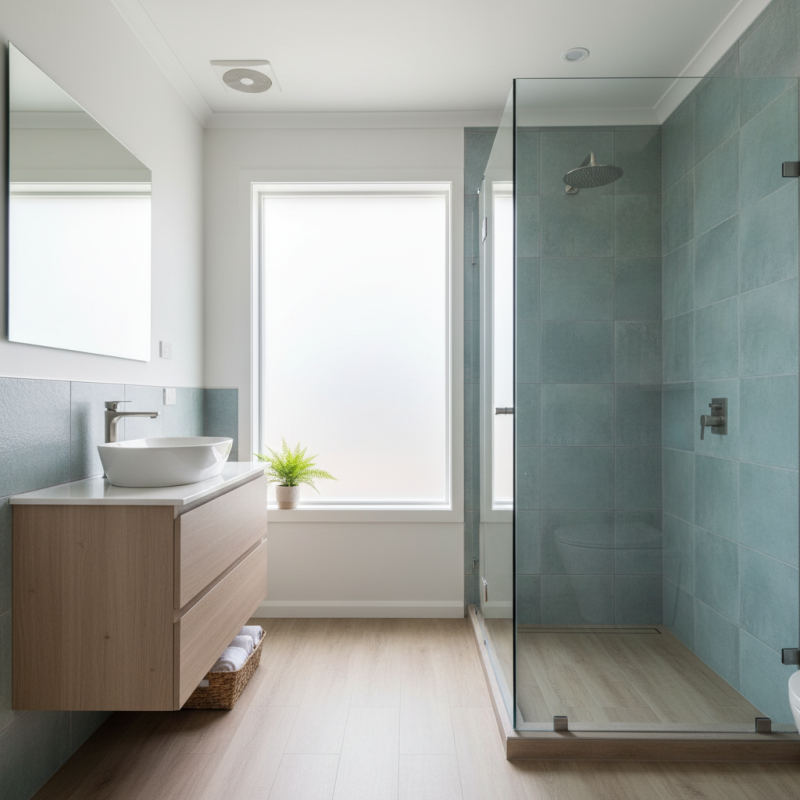
Moisture damage in bathrooms is a pressing concern. Understanding its causes is the first step in prevention. The bathroom is a high-humidity area. Showers and baths create steam. This moisture can settle on surfaces, leading to mold and structural issues. According to the Environmental Protection Agency, mold can grow in as little as 24-48 hours in a humid environment.
Improper ventilation plays a key role in moisture damage. Data indicates that nearly 30% of bathrooms lack adequate ventilation systems. As a result, humidity accumulates. It leads to peeling paint and rotting wood. Users often overlook leaks in plumbing. Small drips can turn into significant problems over time. Research highlights that even minor plumbing leaks can waste up to 10,000 gallons of water per year.
Poor insulation can exacerbate moisture problems. Insufficient insulation allows condensation to form. This unwanted moisture promotes mold growth and structural decay. A study revealed that 15% of homeowners reported mold in their bathrooms, indicating a common issue. It's crucial to inspect bathroom fixtures regularly. These insights underline the necessity of being proactive in moisture management. Neglect can lead to costly repairs down the line.
Bathrooms are prone to moisture, making proper ventilation crucial. Without it, humidity can build up and cause damage. A well-ventilated bathroom helps reduce mold growth and keeps surfaces dry. This is especially important after showers or baths.
Consider installing an exhaust fan. It should be sized according to your bathroom dimensions. Turn it on during and after showers for at least 30 minutes. This simple action can drastically lower humidity levels. If you notice excess steam, boost the ventilation even more.
Open windows when possible. Fresh air circulation drastically reduces dampness. If you live in a humid area, consider dehumidifiers. They can complement your ventilation efforts. Remember, stagnant air can lead to persistent moisture issues. Regularly check for leaks, too. Small water spots on ceilings or walls can indicate bigger problems. Always be prepared to adjust your approach to maintain a dry bathroom.
When renovating or designing a bathroom, selecting moisture-resistant materials is crucial. Materials like ceramic tiles, glass, and stone are excellent choices. They don't absorb water, making them ideal for wet environments. Additionally, they are durable and often easy to clean. Consider using waterproof paint on walls to further protect against moisture. Options such as mildew-resistant coatings can also improve longevity.
Despite the availability of these materials, many homeowners still overlook their importance. It’s easy to be tempted by aesthetic preferences over functionality. However, neglecting moisture-resistance can lead to costly repairs down the line. For instance, wooden cabinets can warp if exposed to excessive moisture.
Also, pay attention to seams and grout lines. Poor installation can result in leaks. Regular maintenance is essential to ensure these materials continue to perform well. Simply relying on the materials' inherent qualities isn't enough. You must remain vigilant and inspect surfaces regularly for signs of wear or damage. Making informed choices will lead to a bathroom that is not only beautiful but also resilient against moisture.
Regular maintenance checks are crucial in preventing moisture damage in bathrooms. Identifying leaks early can save you significant repair costs. Inspect faucets, pipes, and connections routinely. Look for signs of water drips or pooling. Even small leaks can lead to extensive damage if left unaddressed.
Here are some tips to keep your bathroom in top shape. Check the caulking around tubs and sinks. Replace any deteriorated seals. Ensure your ventilation system is functioning well. Lack of airflow can create a humid environment, promoting mold growth.
Consider keeping a moisture meter handy. This tool can help detect hidden leaks behind walls and under flooring. Pay attention to the ceiling too; stains may suggest a leak above. Regular checks can prevent larger issues down the line.
Maintaining optimal humidity levels in bathrooms is crucial to preventing moisture damage. Dehumidifiers are effective tools for controlling humidity. They work by removing excess moisture from the air, which is essential in areas prone to dampness. According to the Environmental Protection Agency (EPA), maintaining indoor humidity levels between 30% and 50% can significantly reduce the risk of mold growth.
Regular use of dehumidifiers can help to achieve these levels. However, it's important to regularly clean and maintain these devices to ensure they function efficiently. Emptying the water reservoir frequently also prevents mold accumulation. In addition to dehumidifiers, utilizing exhaust fans during and after showers can be a simple yet powerful strategy to reduce humidity quickly.
It's also worth noting that some homeowners overlook the importance of sealing cracks in windows and doors. This can lead to unwanted air infiltration, contributing to fluctuations in humidity levels. Regular inspections are advisable to identify potential leaks. Additionally, using moisture-resistant paint can further protect bathroom surfaces. Strategies may vary, and what works for one household may not work for another. Individual circumstances should be assessed to create the most effective moisture control plan.
| Tip Number | Tip | Description | Benefits |
|---|---|---|---|
| 1 | Use a Dehumidifier | Install a dehumidifier to maintain optimal humidity levels. | Reduces moisture and prevents mold growth. |
| 2 | Ventilation | Ensure proper ventilation through exhaust fans. | Helps to circulate air and dissipate humidity quickly. |
| 3 | Seal Grout and Tiles | Regularly seal grout and tiles to protect them from moisture. | Prevents water from seeping into materials, reducing mold risk. |
| 4 | Wet Towels | Do not leave wet towels in the bathroom. | Minimizes moisture retention in the space. |
| 5 | Keep Surfaces Dry | Wipe down surfaces after use, especially after showers. | Helps to keep humidity levels low. |
| 6 | Use Mold Resistant Products | Choose paints and materials that resist mold growth. | Provides additional protection against moisture damage. |
| 7 | Check for Leaks | Regularly inspect pipes and faucets for leaks. | Early detection can prevent larger water damage issues. |
| 8 | Use a Shower Curtain | Install a shower curtain or door to contain water. | Limits splashing and helps maintain dryness in the bathroom. |
| 9 | Keep the Door Open | Leave the bathroom door open after a shower to allow airflow. | Aids in reducing humidity levels post-use. |
| 10 | Install Hygrometers | Use hygrometers to monitor humidity levels. | Helps maintain humidity within a safe range. |
: Ventilation prevents humidity buildup. It helps reduce mold growth and keeps surfaces dry after showers.
Installing an exhaust fan is key. Use it during and after showers for at least 30 minutes.
Boost ventilation immediately. Open windows to allow fresh air to circulate and reduce dampness.
Yes, dehumidifiers remove excess moisture and help maintain a humidity level between 30% and 50%.
Clean the device regularly and empty the water reservoir often to prevent mold accumulation.
Seal cracks in windows and doors. This prevents unwanted air infiltration that affects humidity levels.
Yes, it protects surfaces from moisture damage and contributes to overall humidity control.
Check for leaks immediately. Water spots can indicate bigger problems that need addressing.
No, strategies may vary. Assess individual circumstances to create an effective moisture control plan.
Regular inspections are advisable to identify potential leaks early and maintain optimal humidity levels.
To effectively understand how to prevent moisture damage in bathrooms, it's essential to first recognize the primary causes, such as inadequate ventilation and the use of non-resistant materials. Proper ventilation plays a critical role in minimizing humidity build-up, ensuring that moisture is effectively circulated and expelled from the space. Furthermore, selecting moisture-resistant materials for surfaces like tiles, grout, and fixtures can significantly enhance durability and reduce the risk of water-related issues.
Regular maintenance checks are vital for identifying leaks early, thereby preventing potential damage before it escalates. In addition, utilizing dehumidifiers and other tools can help regulate humidity levels, creating a healthier bathroom environment. By incorporating these strategies, homeowners can safeguard their bathrooms against moisture damage, ensuring longevity and comfort in this essential area of the home.
