What Factors Affect the Quality of Furniture?

Time:2026-06-22 Author:Isabella
0%

When considering furniture, many wonder what factors affect furniture quality. The materials used play a crucial role. Solid wood generally offers durability and longevity, while particleboard can be less reliable. Craftsmanship is another key aspect. Poorly constructed furniture may collapse over time, leaving users frustrated.

Design also matters. Stylish furniture may not always be practical or durable. Aesthetic appeal should not come at the cost of functionality. Additionally, how furniture is maintained impacts its quality. Regular care can prolong life, yet many neglect this aspect, which raises questions about their investment.

Many buyers overlook the importance of brand reputation. Established brands often ensure quality control, while lesser-known entities might cut corners. Finally, personal preferences complicate the discussion. What seems high-quality to one person may fall short for another. This complexity in evaluating furniture quality calls for a deeper understanding of these influencing factors.
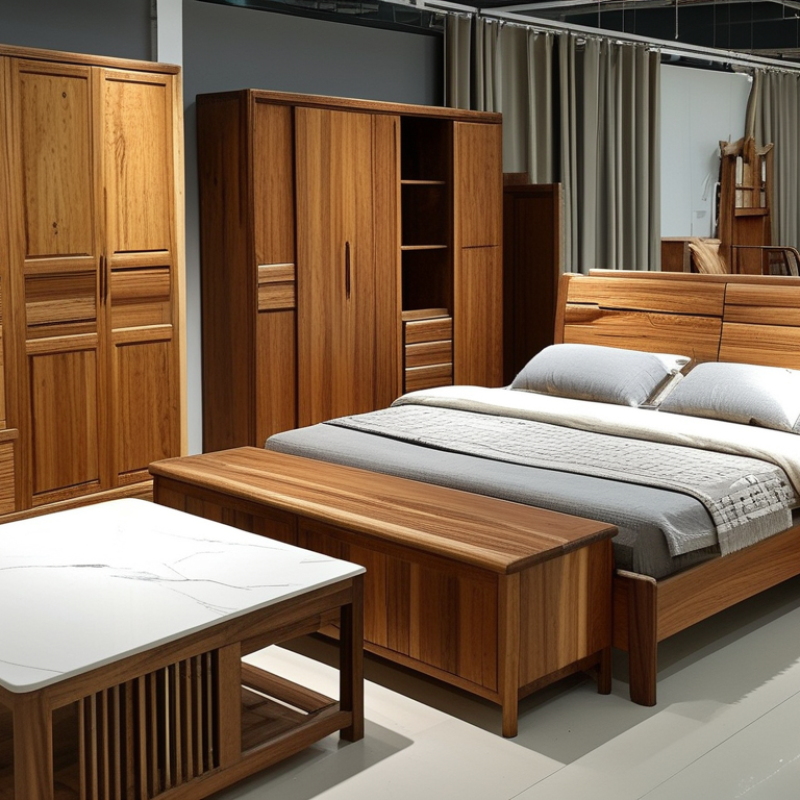
What Factors Affect the Quality of Furniture?

Materials Used in Furniture Construction and Their Impact on Quality

When considering furniture quality, the materials used play a crucial role. Solid wood is often favored for its strength and longevity, with studies showing that high-quality hardwoods like oak or maple can last for decades. According to the American Home Furnishings Alliance, furniture made from solid wood has a significantly lower likelihood of damage compared to those made from particle board or MDF.

Metal is another popular choice, especially in modern designs. Aluminum and stainless steel are durable and resistant to wear. However, cheaper metals may rust or dent easily. Many homeowners overlook the importance of finishes too. A high-quality finish not only enhances aesthetics but also protects furniture from everyday wear and moisture.

Tips: Always check the certifications of the wood. Look for sustainable sources to ensure both quality and environmental responsibility. Consider how you will care for different materials to maintain their appearance.

Moreover, upholstery fabric significantly impacts furniture quality. Natural fibers like wool and cotton, though sometimes pricier, are often more durable than synthetic options. Reports indicate that upholstered furniture with natural fabrics lasts longer, but requires more maintenance. With the right care, the investment can be worth it. Choose fabrics suited to your lifestyle to avoid premature wear.

Craftsmanship Techniques and Their Role in Furniture Durability

Craftsmanship techniques significantly influence furniture durability. Skilled artisans employ various methods, including joinery, finishing, and material selection. A report by the American Home Furnishings Alliance states that well-crafted wooden items can last beyond 30 years with proper care. Joinery techniques, such as dovetail and mortise-and-tenon, provide strength and stability. These time-tested methods enhance overall durability, reducing wear and tear over time.

The finishes used also play a crucial role in furniture lifespan. High-quality coatings protect against scratches, moisture, and fading. A recent survey showed that consumers prefer durable finishes, noting they are willing to pay up to 25% more for longevity. However, not all finishes are created equal. Some affordable options might look appealing but often lack the protective qualities found in premium choices. Reflection on the balance between cost and quality is essential for making informed decisions.

Materials used in furniture construction greatly affect its quality. Solid wood offers resilience, while particleboard may not withstand heavy use. A National Furniture Association report highlights that 60% of furniture failures are due to inadequate material choice. The challenge lies in identifying which materials offer both beauty and durability. Understanding craftsmanship techniques is vital for ensuring that furniture not only looks great but lasts through generations.

Design and Aesthetics: Balancing Functionality and Style in Furniture

Design and aesthetics play a crucial role in furniture quality. A well-designed piece balances functionality and style. It meets everyday needs while enhancing a space’s beauty. Effective design considers usability. It ensures comfort and ease in operation.

In selecting furniture, take note of materials. Wood, metal, and upholstery all have unique characteristics. For instance, solid wood offers durability but can be heavy. On the other hand, metal frames often provide a modern aesthetic with a lighter feel. Choose based on how you envision your space.

When integrating style, think about color schemes and shapes. Bold colors can energize a room, while neutral tones create calm. Experiment with different shapes, like rounded edges or sharp lines. This may evoke different feelings. Don't hesitate to mix styles, but ensure they complement each other.

**Tips:**
- Measure your space before buying.
- A small piece can feel overwhelming in a large room.
- Consider maintenance for long-term satisfaction.

Factors Affecting the Quality of Furniture

Environmental Factors: How Climate Affects Furniture Longevity

Climate plays a crucial role in determining the longevity of furniture. High humidity can cause wood to swell, leading to warping and cracking. In contrast, dry conditions can result in splitting and fading. For instance, furniture in coastal areas may suffer from salt air, which accelerates deterioration. Knowing the climate's effect on materials can help in making better choices while purchasing.

Temperature fluctuations also influence furniture durability. Extreme heat can weaken adhesives and finishes, while cold can make certain materials brittle. An artisan's intimate understanding of how various materials respond to different climates is essential. This knowledge allows them to select the right finishes and treatments, prolonging the life of their creations.

Maintaining a stable indoor environment is important too. Minor adjustments, like using a humidifier or avoiding direct sunlight, can make a difference. However, many overlook these aspects, risking their investment. Reflecting on the environment is as vital as selecting quality materials when it comes to lasting furniture.

Consumer Preferences and Trends Influencing Furniture Quality Standards

Consumer preferences significantly shape the quality standards in the furniture industry. According to recent data from the International Association of Furniture Manufacturers, 78% of consumers prioritize sustainability. This trend encourages brands to use eco-friendly materials. The focus on sustainable practices is not just a fad; it's a growing expectation from buyers.

Price sensitivity also plays a crucial role. A study by the Furniture Today Research Group reveals that 65% of consumers opt for value over high-end aesthetics. This situation leads manufacturers to balance quality with affordability. The challenge lies in keeping production costs low while ensuring durability. It's a tricky equation for many makers.

Tips for consumers: Always check material ratings and warranty information before purchase. Look for third-party certifications for sustainability. Use this knowledge to demand better quality and longevity from furniture brands. Consider quality as an investment. Skimping now might lead to higher costs later. Reflect on your choices, as that’s how industry standards evolve.

What Factors Affect the Quality of Furniture? - Consumer Preferences and Trends Influencing Furniture Quality Standards

Factor Influence on Quality Consumer Preference Trend Impact
Material Quality High-quality materials enhance durability and aesthetics. Consumers prefer natural materials over synthetic options. Sustainability trends drive demand for eco-friendly materials.
Craftsmanship Skilled craftsmanship ensures better finishing and longevity. Quality craftsmanship is highly valued among consumers. Artisanal and handmade furniture trends are rising.
Design Innovative design improves functionality and visual appeal. Consumers lean towards modern and versatile designs. Minimalist design trends influence furniture choices.
Comfort Comfort affects usability and overall satisfaction. High demand for comfortable seating and ergonomic designs. Increased focus on wellness influences comfort standards.
Price Price often correlates with perceived quality and durability. Consumers seek value for money in their purchases. Economic fluctuations affect consumer spending on furniture.

FAQS

: Why is design and aesthetics important in furniture?

: Design and aesthetics are crucial for balancing functionality and style, enhancing both usability and beauty.

What materials should I consider when choosing furniture?

Consider materials like wood, metal, and upholstery. Each has unique characteristics that affect durability and style.

How does climate affect furniture longevity?

High humidity can cause wood to swell, while dry conditions may lead to splitting. Climate significantly impacts material durability.

What role does temperature play in furniture durability?

Extreme temperatures can weaken adhesives, while cold can make materials brittle. Temperature affects how furniture lasts over time.

How can I maintain my furniture's longevity?

Keep a stable indoor environment. Use a humidifier and avoid direct sunlight to protect your furniture investments.

Should I measure my space before buying furniture?

Yes, measuring your space helps to avoid overwhelming small rooms with large furniture pieces; it ensures better fit.

Is mixing different styles advisable?

Mixing styles can work, but they should complement each other to create a cohesive look in your space.

What are some important maintenance tips for furniture?

Regular cleaning and avoiding harsh conditions extend furniture life. Reflect on your care approach to ensure long-term satisfaction.

Can color schemes affect how a room feels?

Yes, bold colors energize, while neutral tones create calm. Color choices can significantly influence a room's atmosphere.

How can I ensure comfort in furniture design?

Prioritize usability and comfort when selecting furniture. Consider factors like ergonomics and ease of operation.

Conclusion

The quality of furniture is influenced by several critical factors, which encompass materials used in construction, craftsmanship techniques, design and aesthetics, environmental conditions, and consumer preferences. High-quality materials, such as solid wood or premium metals, contribute to the durability and longevity of furniture. Additionally, skilled craftsmanship ensures that pieces are constructed to withstand wear and tear, while thoughtful design balances functionality with aesthetic appeal.

Environmental factors, such as humidity and temperature, also play a significant role in determining how well furniture lasts over time. Lastly, evolving consumer preferences can shape the quality standards of furniture, pushing manufacturers to adapt to trends that value sustainability and innovation. Understanding what factors affect furniture quality is essential for consumers aiming to make informed purchasing decisions that align with their needs and expectations.

Isabella

Isabella

Isabella is a dedicated marketing professional with a sharp focus on driving brand growth and engagement through strategic content creation. With an extensive background in digital marketing, she combines her passion for storytelling with her keen understanding of industry trends to deliver......