The choice of furniture material plays a crucial role in determining its durability. This raises the question: why is furniture material important for durability? Different materials offer varying levels of strength and resistance to wear and tear. Solid wood, for example, is often praised for its longevity. However, it can be vulnerable to moisture and pests if not properly treated.
On the other hand, materials like metal and high-quality plastics can provide excellent durability. They resist damage from environmental factors and everyday use. This creates a trade-off between aesthetics and functionality. In some cases, clients may prefer a stylish design over lasting material. It is essential to recognize that this choice can lead to regret later.
The way furniture is constructed also affects its overall durability. Joints, finishes, and the quality of craftsmanship matter. Better construction techniques can enhance the lifespan of even less robust materials. Understanding why furniture material is key can help you make more informed decisions for your home.
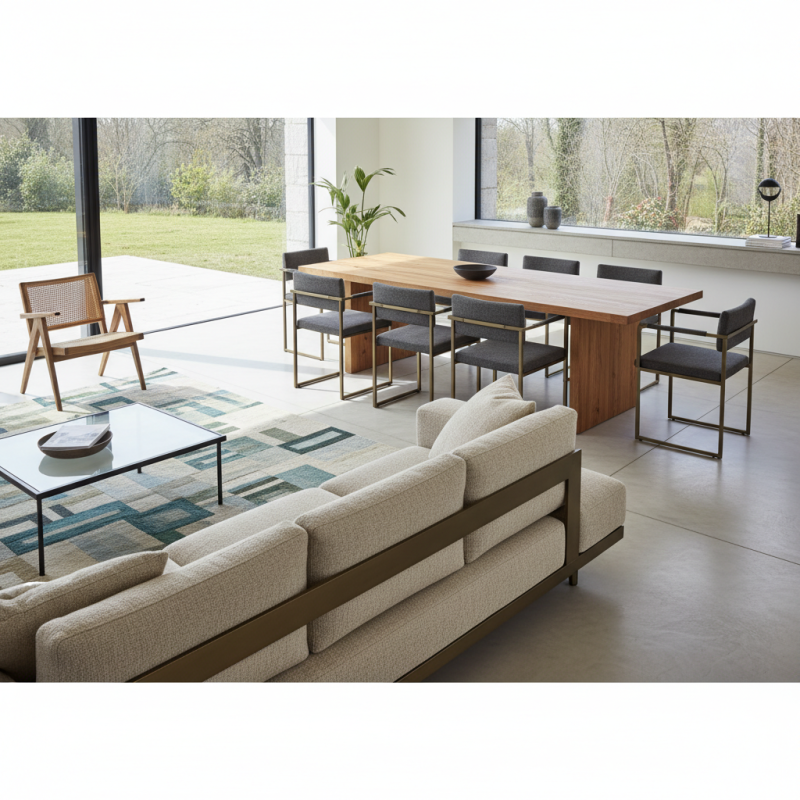
The Importance of Material Selection in Furniture Durability
When it comes to furniture, the materials used play a vital role in its durability.
Choosing the right material can impact how long a piece of furniture lasts. For instance,
solid wood often withstands wear and tear better than
particleboard. Similarly,
leather upholstery can be more resilient than fabric.
However, not all woods are created equal. Some softwoods may dent easily,
while hardwoods, like oak or maple, provide sturdiness.
Tips: Look for high-quality finishes.
Finishes can protect the furniture and enhance its lifespan.
Material selection should be based on usage. High-traffic areas require more durable options.
Consider how often you use the piece. A dining table used daily needs
sturdy, durable materials. On the flip side, a decorative piece may not require the same level of durability.
Tips: Don’t ignore care instructions.
Understanding maintenance can prolong the life of your furniture.
Small steps matter. Regular cleaning and proper care often prevent premature wear.
Types of Furniture Materials and Their Durability Characteristics
When choosing furniture, material selection is crucial for long-lasting durability. Different materials, such as solid wood, metal, plastic, and upholstery, offer varying durability characteristics. For example, solid wood can endure heavy use and age gracefully, often lasting decades. According to the American Home Furnishings Alliance, properly cared-for wooden furniture can last up to 80 years.
Metal is also resilient, particularly when used in frames and supports. It resists wear and tear better than many other materials and is often used in outdoor furniture. Reports from the International Furnishings and Design Association highlight that aluminum and stainless steel are the most durable, with lifespans exceeding 20 years when properly maintained.
On the other hand, while plastic may be lightweight and affordable, it’s generally not as durable. Low-quality plastic can crack in extreme temperatures, requiring replacement sooner than expected. Furthermore, upholstered furniture can vary widely in durability based on the fabric. Synthetic fibers, like polyester, may resist stains better, but natural fibers like cotton can wear out quickly. Understanding these nuances helps consumers make informed choices, leading to furniture that withstands the test of time.
How Material Quality Affects Lifespan and Performance
When choosing furniture, material quality plays a crucial role in determining lifespan and performance. Different materials offer various levels of durability, maintenance, and aesthetic appeal. For instance, hardwoods like oak or maple are known for their resilience. They can withstand wear and tear, making them ideal for high-traffic areas.
On the other hand, softer woods may scratch or dent more easily. Similarly, upholstered furniture can vary widely in fabric durability. Fabrics with tighter weaves typically resist fraying better than loosely woven options. This distinction can significantly affect how long a piece lasts and how it performs over time.
In the manufacturing process, factors like treatment and finish also influence longevity. Some finishes may protect against moisture, while others might dull after exposure to sunlight. Choosing the right material involves careful consideration. Reflecting on how furniture will be used can guide decisions. Investing time in material selection can ultimately lead to better durability and satisfaction.
Why is Furniture Material Key to Long Lasting Durability?
This chart illustrates the durability score of various furniture materials on a scale of 1 to 10. Solid wood ranks the highest due to its strength and longevity, while materials like plastic and particle board display lower durability scores, impacting their overall lifespan and performance in furniture applications.
Environmental Factors Influencing Material Longevity
The choice of furniture materials significantly impacts durability, especially regarding environmental factors.
Humidity, temperature fluctuations, and exposure to sunlight can affect materials in different ways.
According to a study by the Furniture Industry Research Association, wooden furniture can warp if exposed to high humidity.
This structural change can lead to costly repairs or replacements.
Metal and plastic furniture, while resistant to moisture, may degrade under UV light.
A report from the American Society for Testing and Materials indicates that prolonged sun exposure can cause fading and brittleness.
Even synthetic materials, designed for longevity, can become brittle and lose their mechanical integrity over time due to environmental stressors.
Natural materials, like rattan or cotton, offer aesthetic value but have varied longevity.
Their lifespan is often shorter than that of composites or metals. A survey by the International Association of Wood Designers revealed that
35% of furniture fails to withstand extreme climatic conditions.
It’s essential to consider how these factors impact the longevity of your furniture.
Understanding the interplay of materials and environment can lead to better-informed choices, ultimately prolonging your investment in home furnishings.
Maintenance Practices for Different Furniture Materials
When choosing furniture, the material plays a crucial role in its longevity. Different materials require distinct maintenance practices to ensure they remain in good condition. For instance, wood furniture needs regular polishing to protect the finish. Dust should be wiped away with a soft cloth to prevent scratches. Humidity levels can also affect wooden pieces, making it essential to maintain a stable environment.
For metal furniture, routine cleaning is key. Use mild soap and water to remove any dust or grime. It is also wise to check for rust, especially for items exposed to moisture. A light application of lubricant can keep moving parts functional and prevent wear.
Consider how you use each piece as well. Upholstered furniture needs special attention too. Vacuuming regularly helps remove dirt and allergens. However, spills should be treated immediately, or stains may set in. Always test cleaning solutions on a hidden area first. A proactive approach can prolong the lifespan of your furniture significantly.
FAQS
: The materials impact how long furniture lasts. Solid wood lasts longer than softer materials.
Hardwoods like oak and maple are ideal. They resist wear and tear better than softwoods.
Fabrics with tighter weaves resist fraying better. Loosely woven fabrics may wear out quicker.
High-quality finishes protect furniture. They enhance longevity by guarding against wear and moisture.
Humidity, temperature changes, and sunlight exposure can warp or degrade materials over time.
Regular cleaning and following care instructions matter. Small efforts lead to significant results.
Softwoods can dent or scratch easily. They are less durable for everyday furniture needs.
They have aesthetic appeal but often offer shorter lifespans compared to composites or metals.
Prolonged exposure can fade colors and cause brittleness. Materials will deteriorate faster this way.
Consider usage and environmental conditions. Thoughtful choices lead to better durability and satisfaction.
Conclusion
The selection of furniture material plays a crucial role in determining its long-lasting durability. Different types of materials offer varying levels of durability characteristics, impacting how well furniture withstands wear and tear over time. Understanding why is furniture material important for durability involves recognizing how quality influences both the lifespan and performance of the pieces. Factors such as environmental conditions can also significantly affect how materials age and sustain themselves.
Proper maintenance practices tailored to specific materials can further enhance longevity, ensuring that furniture remains functional and aesthetically pleasing for years. By prioritizing the right material choice and care, individuals can invest in durable furniture that meets their needs while standing the test of time.
 Fance Home
