Fance Home
Clean tableware is not merely a matter of appearance. It protects diners from invisible biological hazards, chemical residues, and cross-contamination. The World Health Organization’s 2015 estimates reported 600 million foodborne illnesses and 420,000 deaths worldwide each year. These figures cover many causes. Still, they show why kitchen hygiene deserves disciplined attention. The practical question is how to properly clean and store tableware without creating new risks.
Professional guidance provides a reliable foundation. The FDA Food Code 2022 recommends cleaning and sanitizing food-contact surfaces. It also supports air-drying before use. The U.S. Centers for Disease Control and Prevention emphasizes handwashing, separation, and safe food handling. In China, GB 31654-2021 provides hygiene requirements for catering operations. These principles apply to plates, bowls, cups, chopsticks, serving spoons, and reusable containers. Remove food particles first. Wash with detergent and safe water. Rinse thoroughly. Sanitize when necessary. Temperature and chemical concentration matter. Guessing is not a reliable method.
Storage is equally important. Place dry items inside a clean, ventilated cabinet. Protect rims from dusty shelves and damp surfaces. Keep tableware away from raw meat, cleaning chemicals, and overflowing sinks. Inspect bamboo, wood, silicone, and chipped ceramic differently. Their surfaces age at different speeds. This sounds obvious. It is often missed. Rushed drying and crowded cupboards remain common weak points. A better system uses clean hands, labeled zones, and regular checks. No routine is perfect, especially when water quality, equipment, and training vary. Consistency still reduces risk.
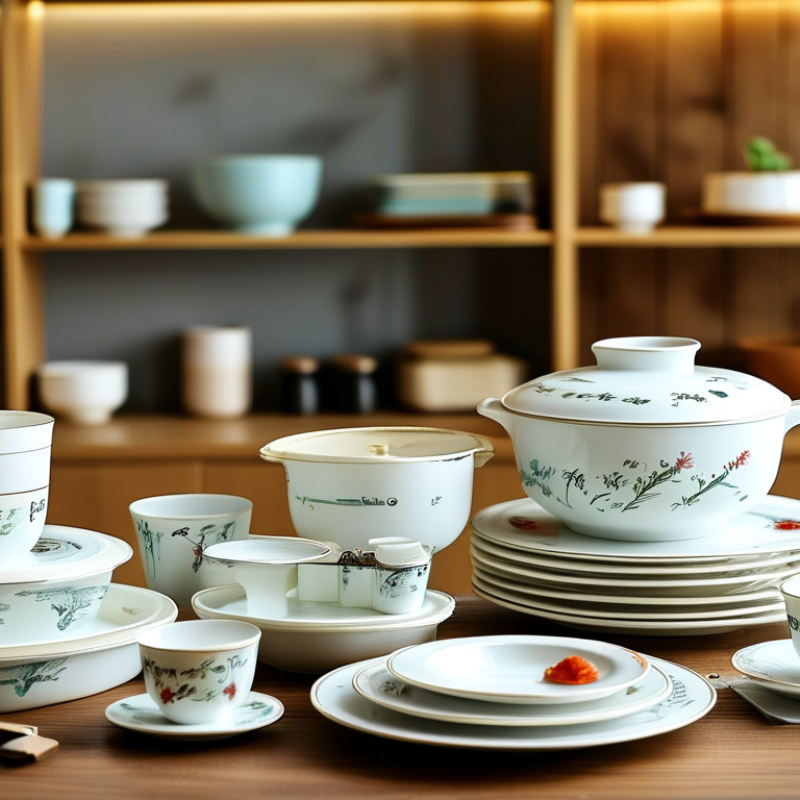
Classify tableware by material before cleaning it. Glass plates usually tolerate warm water and mild detergent, but sudden temperature changes can cause cracking. Let a hot dish cool slightly before rinsing it. Stainless steel spoons and forks resist stains, although salty food can leave marks when it dries. A soft sponge removes most residue without scratching the surface.
Wooden bowls and bamboo utensils Wooden bowls and bamboo utensils need gentler care. Wipe away food with a scraper, then wash them briefly with warm water. Do not leave them soaking for hours. Excess moisture may cause swelling, splitting, or unpleasant odors.
Drying and storage Dry each piece immediately with a clean towel, then place it in a ventilated cupboard. Plastic tableware can hold oily films, so use warm water and enough detergent. Check for deep scratches, because damaged surfaces are harder to clean properly.
Remove food residues before washing. A silicone spatula or soft brush works better than a sharp knife. Dried rice can loosen after a short soak. Greasy sauce may need a second wash.
I once stored a slightly damp wooden spoon, and its hidden smell appeared days later. That mistake changed my routine.
Wash separate materials according to their care needs, and follow the maker’s temperature guidance when using a dishwasher. Never mix cleaning chemicals, and rinse away detergent completely.
Store plates vertically when possible, leaving small spaces for air circulation. Freshly cleaned does not always mean fully dry.
China Best: How to Properly Clean and Store Tableware?
Clean tableware begins with the correct washing temperature. Use detergent with water around 43°C to loosen grease, food residue, and fingerprints. Water should feel warm, not painfully hot. Extremely hot water can irritate skin and may damage delicate coatings. Apply detergent to a soft sponge, then scrub plates, bowls, cups, and cutlery carefully. Pay close attention to rims, handles, grooves, and knife joints.
Follow the manufacturer’s instructions whenever they differ from this general method. Some tableware cannot tolerate high heat, strong detergents, soaking, or abrasive pads. Check care labels before washing painted surfaces, wooden handles, insulated items, or fragile glass. In professional kitchens, separating heavily soiled pieces prevents residue from spreading. Rinse each item under clean running water until no slippery film remains. I sometimes rinse too quickly. That mistake can leave hidden detergent near the rim.
Dry tableware completely before storage. A clean, dry towel can remove remaining moisture, although air-drying is often safer when the rack is clean. Store plates vertically or in stable stacks, with heavier pieces underneath. Keep cups upside down only after their interiors are fully dry. Avoid overcrowded cabinets, where trapped moisture may create unpleasant odors. Inspect stored items before use, especially after long periods. Small chips and cracks deserve attention. They may collect residue and weaken during later washing.
China Best How to Properly Clean and Store Tableware?
Sanitize at 77°C for 30 Seconds Under FDA Food Code Guidance
Clean tableware before sanitizing it. Food particles and grease can block hot water from reaching the surface. Wash each item with suitable detergent, then rinse away residue. For manual hot-water sanitizing, immerse the cleaned tableware in water at 77°C (171°F) for at least 30 seconds. This practice follows FDA Food Code guidance when applicable local requirements are also met.
Use a reliable thermometer, not your hand. Check the water temperature during the process, because a busy sink can cool quickly. Keep every surface submerged. Cups, plates, and utensils need full contact with the hot water. Timing matters. Thirty seconds means thirty complete seconds, not a quick dip. I have seen rushed handling create uneven results, especially with stacked plates.
Remove sanitized items with clean utensils or washed hands. Let them air-dry completely on a clean, perforated rack. Do not wipe them with a towel, since towels may transfer microorganisms. Store tableware upside down or with handles positioned for safe handling. Keep it protected from dust, splashes, and contact with the floor. A storage shelf should remain clean and raised from floor level, consistent with applicable food safety rules. Recheck the thermometer regularly. Small gaps in routine can become serious weaknesses. Local health authorities may apply additional requirements, so written procedures should be reviewed when conditions change.
How to Properly Clean and Store Tableware
Clean tableware needs more than a quick rinse. Remove food scraps, wash with hot water and detergent, then rinse thoroughly. The World Health Organization’s Five Keys to Safer Food recommends keeping utensils clean and preventing contamination after washing. In practice, a clean plate can become unsafe when placed on a damp towel or a dusty shelf. Let each item air-dry completely. Water trapped beneath bowls can support microbial growth and create unpleasant odors. Do not stack wet plates. Allow visible moisture to disappear first.
Storage height matters too. The U.S. FDA Food Code 2022 advises storing clean equipment and utensils at least 15 cm off the floor. Use a raised, washable rack rather than a lower cabinet near splashing water. Keep handles facing outward, and avoid touching food-contact surfaces during storage. Cups should be inverted only on a clean, dry surface. Spoons and forks need covered containers when dust is common. Check shelves weekly for grease, standing water, or damaged surfaces. I used to consider a towel “clean enough,” but that assumption was weak. Towels can transfer residue between items. A fully dry rack may look slower, yet it creates a more reliable separation between washing and storage.
| Step | Tableware Area | Recommended Standard | Practical Cleaning and Storage Action | Purpose |
|---|---|---|---|---|
| 1 | Preparation | Remove food residues before washing. | Scrape plates, bowls, and utensils into a waste container. Separate heavily soiled items from lightly soiled items. | Prevents food particles from contaminating wash water and improves cleaning efficiency. |
| 2 | Washing | Use clean water and a suitable dishwashing detergent. | Wash all food-contact surfaces, including rims, handles, grooves, and the underside of items. Follow the detergent label for concentration and contact time. | Detergent loosens grease, proteins, starches, and other residues that water alone may not remove. |
| 3 | Rinsing | Rinse with clean running water or in a separate clean-water compartment. | Remove visible detergent and loosened debris. Replace rinse water when it becomes cloudy or contaminated. | Detergent residue and dirty rinse water can remain on tableware and affect sanitation. |
| 4 | Sanitizing | Apply heat or a food-contact-safe chemical sanitizer according to its approved instructions. | For heat sanitizing, use water at the temperature and exposure time specified for the equipment. For chemical sanitizing, verify concentration with the appropriate test strips. | Sanitizing reduces microorganisms after visible soil has been removed; it does not replace washing. |
| 5 | Air-Drying | Air-dry completely before stacking or covering. | Place items on a clean, sanitized rack with enough space for air circulation. Do not dry with cloth towels because towels can transfer microorganisms and lint. | Complete drying limits moisture that can support microbial growth and prevents recontamination from used towels. |
| 6 | Storage Height | Keep stored tableware at least 15 cm off the floor. | Use raised shelving, racks, or enclosed cabinets. Do not place clean items directly on the floor, even when they are inside containers. | Clearance reduces exposure to splash, dust, pests, cleaning water, and other floor-level contaminants. |
| 7 | Storage Position | Protect food-contact surfaces from contamination. | Store cups and glasses inverted when the rack is clean and dry, or store them upright in a protected cabinet. Store plates and bowls in stable stacks without overloading them. | Proper positioning helps prevent contact with dust, hands, shelves, and other contaminated surfaces. |
| 8 | Utensils | Keep handles accessible and food-contact ends protected. | Store forks, spoons, and knives in clean containers with handles facing upward, or use a covered utensil dispenser. Avoid touching food-contact ends during handling. | Reducing hand contact with food-contact surfaces helps maintain hygienic conditions. |
| 9 | Inspection | Use only clean, dry, and undamaged tableware. | Check for visible soil, water droplets, cracks, chips, rough edges, rust, or damaged coatings before use. Rewash or remove defective items. | Damaged surfaces are harder to clean and may harbor residues or create a physical safety hazard. |
| 10 | Recontamination Control | Keep clean tableware separate from dirty items and cleaning chemicals. | Use separate areas for dirty collection, washing, drying, and clean storage. Keep stored tableware away from splash zones and chemical containers. | Physical separation prevents cleaned items from becoming contaminated again before use. |
Clean tableware needs more than a bright appearance. In daily food-service work, I inspect every plate, cup, and utensil after washing. Small cracks can trap food particles and moisture. Run a fingertip around the rim and handle. Look closely under strong, neutral lighting. Remove chipped or cracked items immediately, even when the damage seems minor. I once overlooked a hairline crack because the surface looked clean. That mistake reminded me that visual checks need patience.
Under HACCP controls, cleaning records should show what happened, not what should have happened. Record the date, time, equipment used, detergent concentration, rinse temperature, and staff initials. Note unusual results, such as cloudy glasses or greasy cutlery. Keep inspection findings with the cleaning log. This creates traceability during an internal review or food-safety investigation.
Storage also protects the cleaning result. Let tableware drain fully before placing it in covered, dry shelves. Store cups upside down, without touching dirty surfaces. Keep utensils separated by type and handle them by the grip. Check shelves regularly for dust, insects, or standing water. Records can be imperfect. Staff may forget a signature or write unclear numbers. Correct errors with a dated note rather than erasing them. Reviewing these gaps helps improve training, though busy shifts still require active supervision.
: Use warm water and mild detergent for glass. Avoid sudden temperature changes. Clean stainless steel with a soft sponge. Salty residue may leave marks. Wash wood and bamboo briefly. Dry them immediately. Plastic may need extra detergent for oily films.
Remove residue before washing. Use a silicone spatula or soft brush. Avoid sharp knives. They may scratch surfaces. Soak dried rice briefly. Greasy sauce may need another wash.
Do not soak them for hours. Excess moisture can cause swelling or splitting. Dry each piece with a clean towel. Store it in a ventilated cupboard. I once stored a damp spoon. Its hidden odor appeared days later.
Clean and rinse tableware before sanitizing. Immerse it in water at 77°C for at least 30 seconds. Use a reliable thermometer. Do not test temperature with your hand. Thirty seconds means thirty complete seconds.
Keep every surface fully submerged. Separate stacked plates and crowded utensils. Check the water temperature during the process. A busy sink can cool quickly. Small gaps matter.
No. Let it air-dry on a clean, perforated rack. Towels may transfer microorganisms. Store cups upside down. Keep handles positioned for safe handling. Protect everything from dust, splashes, and floor contact.
Inspect plates, cups, and utensils under strong, neutral lighting. Run a fingertip around rims and handles. Look for chips and hairline cracks. Remove damaged items immediately. A clean appearance can mislead you.
Record the date, time, equipment, detergent concentration, and rinse temperature. Add staff initials and unusual results, such as cloudy glasses. Keep inspection findings with the cleaning log. Records can be imperfect. Correct mistakes with a dated note, not an eraser.
Learning how to properly clean and store tableware is essential for maintaining hygiene, extending service life, and reducing cross-contamination risks. Begin by sorting items according to their materials and removing leftover food carefully. Wash them with an appropriate detergent in water at 43°C, unless the manufacturer provides different care instructions. After washing, sanitize the tableware at 77°C for 30 seconds, following food-safety procedures. This step helps reduce harmful microorganisms that may remain after cleaning.
Allow every item to air-dry completely before putting it away, since trapped moisture can encourage odors and microbial growth. Store clean tableware in a protected, dust-free area at least 15 cm above the floor, keeping it separate from waste and unclean equipment. Regularly inspect plates, cups, and utensils for cracks, chips, or other damage, and remove unsafe items from service. Maintaining cleaning records and reviewing them under HACCP-based controls can also improve consistency, accountability, and overall sanitation performance.
