Fance Home
Choosing the right furniture to match your interior design style is crucial. Experts agree that this choice reflects personal taste and can impact overall ambiance. Renowned interior designer, Sarah Martinez, emphasizes, “The harmony between furniture and style creates a cohesive living space.”
Understanding how to match furniture with interior design style begins with knowing your style. Industrial, modern, traditional; each has unique elements that guide your selections. For instance, a sleek sectional may clash in a rustic-themed room. Contrasting pieces can disrupt feelings of comfort and flow.
Consider textures and colors. A mid-century chair may not fit a bohemian vibe. Time spent on this ensures your space feels intentional. It’s crucial to look beyond aesthetics. Functionality and placement also matter. Strive for a balance that invites reflection and allows for natural movement. Ultimately, finding this balance might not be easy, but it’s worthwhile for a harmonious home.
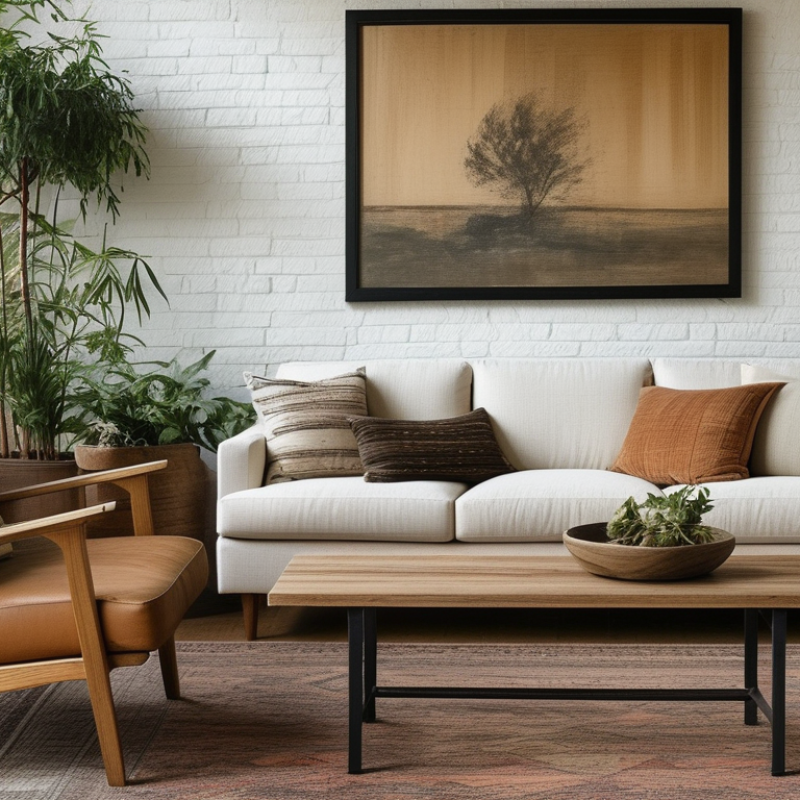
Understanding your interior design style is essential for creating a cohesive living space. Studies show that 70% of homeowners find matching furniture to their style increases satisfaction. This connection enhances not only comfort but also functionality in your home. When every piece reflects a unified aesthetic, it strengthens the overall ambience.
Design styles vary widely, from minimalist to bohemian. Each style calls for specific furniture choices. For instance, a modern home might benefit from sleek lines and neutral tones. Conversely, a rustic environment welcomes organic textures and earthy colors. According to the American Society of Interior Designers, over 80% of people don’t know their design style. This lack of knowledge can lead to mismatched furniture, creating confusion in visual continuity. It’s important to explore various styles as this can refine personal taste.
Choosing furniture resonating with your style fosters an emotional connection to your space. It can evoke feelings of relaxation or inspiration. However, matching isn’t always flawless; some pieces may not work as expected. Reflecting on the mismatch can guide future choices. Understanding styles is not just a trend; it's the foundation of a timeless home.
When designing a space, the role of furniture cannot be overlooked. Furniture goes beyond mere functionality; it shapes the room’s aesthetic. Thoughtfully chosen pieces can enhance themes, whether minimalistic, rustic, or eclectic. Each item tells a story, fostering a connection between your personality and your home.
Consider how texture plays a part in design aesthetics. A sleek leather sofa can contrast beautifully with a warm, wooden coffee table. This creates visual interest and depth. On the other hand, mismatched styles can clash, leading to a chaotic look. This can confuse the viewer and make the space feel unsettled.
Furniture must complement colors and shapes within a room. For instance, a bold red chair can stand out against a neutral backdrop. However, if overdone, it may overwhelm the senses. It’s essential to reflect on balance and harmony. An ideal space should invite comfort and reflection, not provoke anxiety. Each piece should not only serve its purpose but also contribute to a well-composed narrative.
| Design Style | Key Furniture Elements | Color Palette | Material Preference |
|---|---|---|---|
| Modern | Sleek sofas, minimalist tables | Neutral tones with pops of color | Metal and glass |
| Rustic | Wooden furniture, cozy seating | Earthy tones and warm colors | Reclaimed wood and stone |
| Industrial | Metal chairs, raw wood tables | Grays, blacks, and browns | Metal, wood, and leather |
| Bohemian | Eclectic pieces, vibrant textiles | Bold and bright colors | Natural fibers and handmade items |
| Contemporary | Trendy sofas, modular furnishings | Monochromatic or vibrant accents | Sustainable materials, glass |
Identifying your personal interior design style is the first step toward creating a cohesive living space. According to a survey by the American Society of Interior Designers, 68% of homeowners report feeling happier in their homes when their furniture matches their decor style. This demonstrates the emotional power of design alignment.
Take time to assess your preferences. Are you drawn to minimalism, eclectic aesthetics, or vintage charm? Each style conveys a unique vibe. For instance, a minimalist approach favors clean lines and neutral colors, while an eclectic space embraces bold patterns and mixed textures. The Furniture Today report highlights that 74% of consumers wish to express their personality through their home design.
Choosing furniture that aligns with your style can be challenging. Many people tend to purchase stylish pieces without considering how they fit into the overall aesthetic. This can lead to a disjointed look and affect comfort. Reflecting on your decisions can guide you toward selections that not only please the eye but also resonate with your personality. Remember, your space should reflect who you are, and matching furniture to your design style is key to achieving that harmony.
When selecting furniture, consider your overall interior design style. This creates harmony in your space. For a minimalist design, choose sleek, functional pieces with clean lines. Avoid heavy, ornate furniture that contradicts this style. Look for light colors and simple shapes to enhance the feeling of openness.
Matching furniture with your interior design style significantly impacts your home’s ambiance. When pieces complement each other, they create a seamless look. This coordination fosters a sense of harmony throughout your living space. A well-curated environment makes every room more inviting and cohesive.
Decorating with intention is crucial. Choose furniture that embodies your desired style. For example, a modern look might incorporate sleek lines and minimalist designs. In contrast, a rustic vibe may benefit from raw wood finishes and warm tones. Consider textures and colors as well. These details influence how you feel in your space.
Here are some tips to enhance your home’s ambiance. First, mix and match materials. A blend of wood, metal, and fabric can add depth. Secondly, pay attention to scale. Oversized furniture can overwhelm a small room, while tiny pieces may get lost in a large space. Lastly, reflect on your personal taste. Sometimes, you might stray from a specific style. Don’t hesitate to blend elements you love, even if they seem mismatched. Embrace the unique charm of your choices, even the imperfect ones.
: Knowing your style helps create a cohesive living space, enhancing comfort and functionality.
Studies show over 80% of people don’t know their design style, risking mismatched furniture.
Coordinated furniture creates a seamless look, enhancing the overall welcoming feel of your space.
Yes, but mismatched pieces may clash and confuse the viewer. Reflecting on these choices can help.
Texture adds visual interest. For instance, a sleek sofa contrasts well with a warm wooden table.
Not necessarily. Blending elements you love can create unique charm, even if they seem mismatched.
Mix materials and pay attention to scale. Oversized or tiny furniture may disrupt balance in a room.
Colors should complement each other. A bold piece may stand out, but too many can overwhelm the space.
Absolutely. Embracing personal tastes can lead to a more authentic and comfortable living environment.
Reflect on what’s not working and use that insight for future choices to better align with your aesthetic.
In today's design-conscious world, understanding how to match furniture with interior design style is essential for creating a harmonious living space. Each interior design style, from modern to rustic, has its own unique characteristics that set the tone for your environment. By identifying your personal style, you can select furniture that not only complements but also enhances your design aesthetics.
When selecting furniture, consider how it aligns with your decor to achieve a cohesive look. Tips for matching furniture involve considering color schemes, materials, and overall design themes. The right furniture can significantly impact your home's ambiance, creating a space that feels inviting and well-coordinated. Ultimately, mastering how to match furniture with interior design style will elevate your home’s interior, making it reflect your personal taste and lifestyle effortlessly.
