 Fance Home
In 2026, home decor is less about copying a perfect room and more about choosing a look that works in daily life. So, what are the most popular home decor styles? The answer includes warm minimalism, organic modern design, vintage eclectic rooms, quiet luxury, and nature-inspired interiors. Their appeal is visible in practical details: linen curtains that soften afternoon light, oak tables with noticeable grain, and lamps that make a reading corner useful after sunset.
American interior decorator Billy Baldwin offered a useful reminder: “Be faithful to your own taste, because nothing you really like is ever out of style.” That principle matters when trends move quickly. A room can borrow ideas from several styles, but it should still feel comfortable to the person who lives there. Warm minimalism pares back clutter without making every surface feel bare. Organic modern spaces mix natural textures with clean shapes. Vintage eclectic rooms give older furniture and personal collections room to stand out. Quiet luxury favors considered materials and subtle finishes over showy decoration. Nature-inspired design brings in plants, daylight, and earthy colors.
There is no single winner. Some combinations look awkward at first, and that may be worth reconsidering. A deep green wall, for instance, can feel rich beside warm wood, but heavy beside dark furniture. This guide will compare the leading styles, explain their defining features, and show where each may suit different homes. It will also note a limitation: a style that photographs beautifully may not fit a busy household, a small room, or a modest budget.
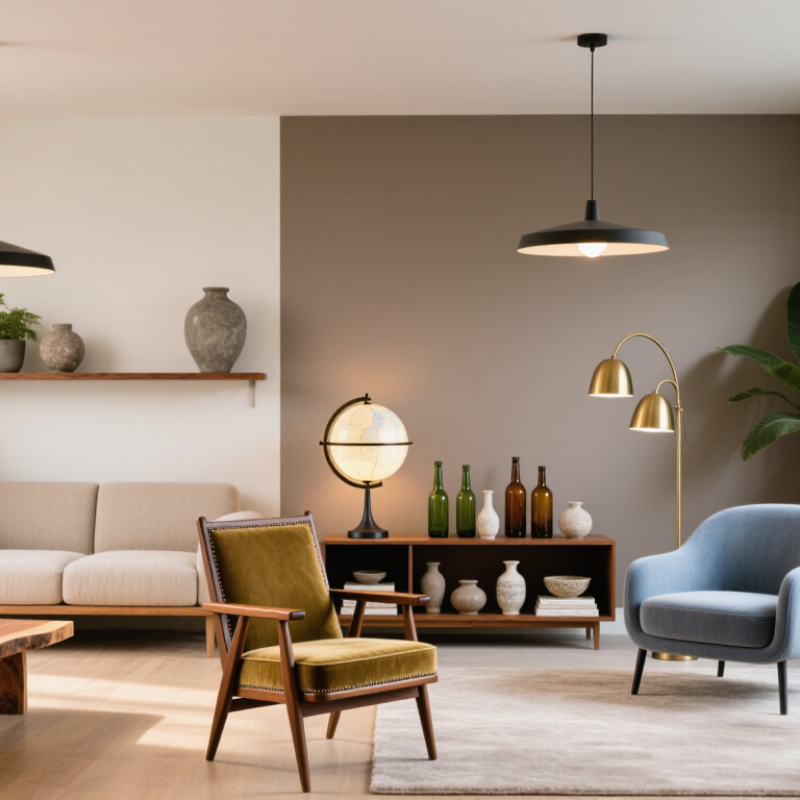
In 2026, home decor styles are best understood as design patterns, not fixed recipes. A style usually combines recognizable colors, materials, shapes, and room layouts. For example, a warm minimalist room may pair pale walls with oak furniture, linen curtains, and uncluttered surfaces. Contemporary interiors may use similar restraint, but add sharper silhouettes or stronger contrast. The labels overlap. That matters.
To compare styles fairly, look beyond photographs and trend names. Note the dominant palette, the texture under your hand, and how furniture supports daily routines. A traditional room might feature carved wood and balanced arrangements, while an industrial one may expose brick, metal, or rough timber. Natural light changes both; a dark finish can feel calm in a sunny room and heavy in a narrow hallway. These details make comparisons more useful than calling one look “cozy.”
Popularity also depends on practical fit. Ask whether a style suits the room’s size, storage needs, and existing materials. A coastal palette may feel airy, yet pale fabrics can show wear quickly in a busy home. A rustic table may be durable, but its visual weight can crowd a small dining area. Style categories simplify decisions, sometimes too much. Real homes mix influences, and that can look more convincing than a perfectly matched set.
This comparison summarizes recognizable home decor styles through their defining features, common materials, and typical visual effect. It is a practical guide, not a measured popularity ranking; preferences vary by region, home, and individual taste.
| Decor Style | How It Is Defined | Common Colors and Materials | Typical Furniture and Details | Overall Effect | A Good Fit For |
|---|---|---|---|---|---|
| Warm Minimalism | Simplified interiors that prioritize function and uncluttered layouts while using softer textures and warmer tones than stark minimalism. | Warm whites, sand, taupe, natural wood, linen, wool, and stone. | Streamlined furniture, a limited number of accessories, tactile fabrics, and carefully chosen lighting. | Calm, open, and restrained without feeling cold. | People who want a low-clutter home with a comfortable, lived-in feel. |
| Japandi | A blend of Japanese and Scandinavian design principles, combining simplicity, practical comfort, and appreciation for natural materials. | Muted neutrals, earthy shades, pale or medium-toned wood, paper, ceramics, and natural fibers. | Low-profile furniture, clean lines, handcrafted objects, and sparse but purposeful decoration. | Quiet, balanced, and connected to natural materials. | People drawn to simple rooms, thoughtful craftsmanship, and a restrained palette. |
| Scandinavian | A practical, light-oriented approach associated with functional furnishings, visual simplicity, and comfort. | White and soft neutrals, light wood, wool, cotton, and occasional muted color. | Functional furniture, simple silhouettes, layered textiles, and useful lighting. | Bright, approachable, and orderly. | Small or dim rooms, and anyone who values useful, uncomplicated design. |
| Mid-Century Modern | A modernist-influenced style inspired by furniture and interiors from the middle decades of the 20th century. | Wood, leather, glass, metal, warm neutrals, and selective saturated colors. | Clean lines, tapered legs, geometric forms, and furniture that emphasizes shape and function. | Structured, characterful, and distinctly retro-modern. | People who enjoy vintage-inspired silhouettes and furniture with a strong outline. |
| Contemporary Organic | A current, relaxed approach that pairs modern forms with natural shapes, tactile surfaces, and a connection to the outdoors. | Earth tones, wood, stone, clay, linen, and other natural-looking finishes. | Soft curves, sculptural accents, organic textures, and a mix of smooth and rough surfaces. | Relaxed, natural, and softly modern. | People who want a modern interior that feels less formal and more nature-inspired. |
| Industrial | A style that references workshops and industrial spaces through exposed-looking structure, robust materials, and utilitarian details. | Metal, brick, concrete, dark wood, leather, and charcoal or other muted tones. | Simple, sturdy furniture; visible metal elements; and practical lighting or storage. | Urban, rugged, and architectural. | Loft-style spaces or rooms that can accommodate stronger, harder materials. |
| Modern Farmhouse | A contemporary take on rural-home references, combining familiar forms and rustic textures with cleaner lines. | Soft neutrals, wood, painted finishes, natural textiles, and dark metal accents. | Comfortable furnishings, simple wood details, practical storage, and understated decorative accents. | Casual, familiar, and welcoming. | People who like relaxed rooms and rustic details without a heavily ornate look. |
| Eclectic Maximalism | A layered approach that combines color, pattern, objects, and influences from different periods or design traditions. | Varied colors and patterns, layered textiles, artwork, collected objects, and mixed materials. | Distinctive furnishings, gallery-style displays, patterned surfaces, and curated collections. | Expressive, layered, and individual. | People who enjoy displaying collections and combining contrasting colors or patterns. |
| Traditional | A style rooted in established furniture forms, balanced layouts, decorative detailing, and a sense of continuity. | Wood, patterned fabrics, classic neutrals, deeper accent colors, and decorative finishes. | Symmetrical arrangements, detailed furniture, framed artwork, and layered window treatments. | Formal, familiar, and enduring. | People who prefer structured rooms and classic furnishings over trend-driven forms. |
Styles can overlap: a room may combine, for example, Scandinavian simplicity with warm minimalism or traditional furniture with contemporary colors. The descriptions identify common design cues rather than strict rules.
Think of it as a pattern, not a strict recipe. Look at colors, materials, shapes, and room layouts.
Notice the main colors and textures. Check how furniture supports daily routines, too. Photos can hide practical problems.
Pale walls, oak furniture, linen curtains, and soft lighting can create a calm feel. Keep useful items within reach.
Mid-century shapes can add structure without blocking walkways. Use darker, layered looks carefully. They may feel heavy.
Repeat one wood tone or accent color. Vary the textiles and lighting. The rooms need not match perfectly.
Check them in the room’s actual daylight. A kitchen finish may look different by afternoon. Samples can surprise you.
Usually, pause before replacing it. A style should serve the room, not just look current. Trends can be wrong for your home.
A 2023 study reported a median U.S. home-renovation spend of $24,000. It covered more than decor, but careful room-by-room choices still matter.
This guide explores what are the most popular home decor styles in 2026 and how to tell them apart. It explains how styles are defined and compared, then highlights popular approaches such as warm minimalism, contemporary organic design, modern vintage, and expressive eclectic interiors. Each style is described through its defining colors, materials, shapes, and overall mood, helping readers understand the choices that make a room feel cohesive.
The guide also considers how these styles can work in different rooms, from calm, comfortable bedrooms to welcoming living spaces and practical kitchens. Rather than treating any style as a strict formula, it offers ideas for choosing one that suits your home, needs, and preferences. Readers can also learn how to combine influences thoughtfully, using consistent colors, textures, or forms to create a balanced interior with a personal feel.
