Best Tips on Choosing Furniture for Small Spaces?

Time:2026-04-08 Author:Sienna
0%

Choosing furniture for small spaces can be challenging. You want to maximize utility without cluttering your living area. Understanding how to choose furniture for small spaces is essential. The right pieces can transform a cramped room into a stylish retreat.

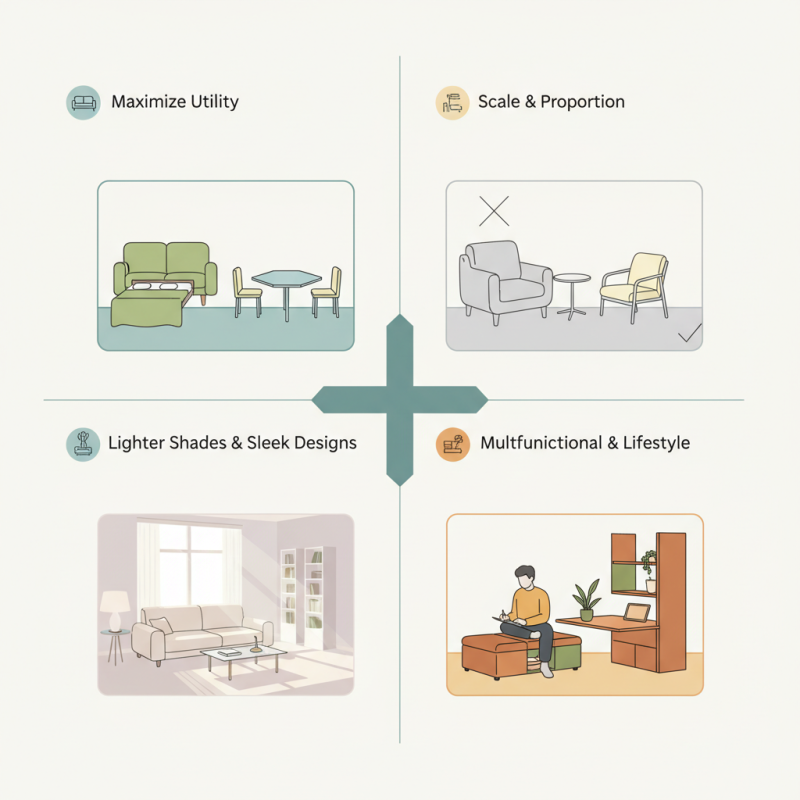
Consider your room’s purpose. Do you need multifunctional items? A sofa bed or an expandable table can save space. Think about scale and proportion. Oversized furniture can overwhelm a small area. Opt for lighter shades and sleek designs to create an illusion of openness.

Reflect on your lifestyle too. Your choices should not only fit the space but also meet your needs. Sometimes, you may feel tempted to buy just because something looks good. Avoid that pitfall. Each piece should serve a purpose while complementing your overall style. Remember, it's about finding balance and making informed choices.
Best Tips on Choosing Furniture for Small Spaces?

Understanding the Importance of Scale in Small Space Furniture Selection

Choosing furniture for small spaces requires careful consideration of scale. Scale impacts how furniture feels within a room. For instance, oversized sofas can overwhelm a small living area. Instead, opt for streamlined designs. A sleek loveseat or a compact chair creates a feeling of openness. Balance is key.

Measuring your space is crucial. Ensure that each piece fits comfortably. A two-foot clearance around furniture helps with flow. Items like nesting tables are great for flexibility. They can be separated when needed and tucked away when not in use. Storage options, such as ottomans, can serve dual purposes.

Choose light colors and airy materials. These elements can make a small room feel larger. However, be cautious with patterns. Busy designs might clutter visual space. Reflective surfaces, like mirrors, can also enhance natural light. Always think about how each piece works together. Consider your lifestyle, too. A beautiful chair won’t help if it isn’t functional.

Essential Materials for Durability and Aesthetic in Compact Furniture

Choosing the right materials for compact furniture is crucial for both durability and aesthetics. When space is limited, every piece of furniture must serve multiple purposes. Opt for materials that can withstand daily use. Solid wood is a timeless choice, providing strength. However, it can be heavy and may not fit all designs.

Another excellent option is metal. It adds an industrial touch and is often lighter than wood. However, some metal finishes can scratch easily. Consider using a protective coating if you choose this option. For upholstery, fabrics like microfiber are not only durable but also easy to clean. They can withstand the wear and tear of small spaces.

Lastly, think about multifunctionality. A coffee table that transforms into a dining table can save space. Yet, blending styles is tricky. Striking the right balance between form and function requires thoughtful consideration. This approach can lead to a stylish yet practical environment.

Best Tips on Choosing Furniture for Small Spaces

Maximizing Functionality: Multi-Use Furniture Solutions for Limited Areas

In small spaces, every piece of furniture must work hard. Multi-use furniture is the best solution. For instance, a sofa bed does more than provide seating. It transforms into a sleeping area for guests. Look for tables with storage. They can hold items while serving multiple functions. Coffee tables that open up are great for small living rooms.

Consider foldable furniture. Folding chairs and tables can be stored away when not in use. They create more space for movement. Ottomans can serve as seating or storage. This flexibility is ideal for limited areas.

Using colors wisely can also enhance the functionality. Light shades make a space feel larger and brighter. Mirrors can create an illusion of more space. It’s crucial to choose items that resonate with your style. Each piece should reflect your personality while serving its purpose. Remember, not every item will feel perfect in the beginning. It may take time to find what works best for your small space.

Best Tips on Choosing Furniture for Small Spaces

Furniture Type Functionality Space Saving Features Material
Sofa Bed Seating + Sleeping Folds Out Fabric / Metal
Storage Ottoman Seating + Storage Hidden Compartment Leather / Foam
Drop Leaf Table Dining + Work Expandable Wood
Wall-Mounted Desk Workstation Folds Away Wood / MDF
Convertible Chair Seating + Lounger Multi-Position Fabric / Metal

Color and Light: Creating an Illusion of Space with Furniture Choices

When selecting furniture for small spaces, color and light play crucial roles in enhancing the ambiance. Light colors, such as whites and pastels, can create an illusion of spaciousness. According to a report by the National Association of Home Builders, lighter hues reflect more natural light, making a room appear larger. Choosing furniture in these shades invites sunlight, which is essential in confined living areas.

Incorporating mirrors into the design is a professional tip often overlooked. Mirrors can double the effect of light, making a small room feel expansive. A study by the Journal of Environmental Psychology highlights that reflective surfaces can psychologically enhance perceptions of space. However, balance is important. Too many reflective elements might feel chaotic, detracting from the room’s intended cozy vibe. Placement is key; position mirrors where they catch the most light to maximize their effect.

Additionally, selecting multi-functional furniture can be an effective strategy. Pieces that serve double duty—like a coffee table with storage—save space and keep clutter at bay. However, one must be cautious. Overloading a small room with too much furniture can overwhelm rather than enhance. Thoughtful choices and a focus on color and light can lead to an inviting, spacious environment even in the most compact areas.

Smart Storage Options: Integrating Solutions into Small Living Environments

When living in small spaces, smart storage options become essential. Each corner can serve a purpose. Consider vertical storage solutions, like shelves that reach the ceiling. These not only add storage but draw the eye upward, creating an illusion of height. Floating shelves can be stylish, too. They keep the floor clear and save precious space.

Multi-functional furniture is another effective approach. Think about a coffee table that expands into a dining table. A bench with built-in storage can hold blankets or shoes. These practical choices help maintain a tidy environment. Yet, be mindful of overcrowding your space with too many items. It can lead to a cluttered and chaotic feeling.

It’s also vital to embrace minimalism. Limit decorative items to a few key pieces. A small plant or a unique sculpture can enhance the atmosphere without overwhelming it. Regularly reassess what you truly need. Sometimes, letting go of items can free up space and provide room for creativity. The right balance can transform a cramped area into a cozy haven.

FAQS

: Why is scale important when choosing furniture for small spaces?

: Scale affects how furniture fits and feels in a room. Oversized pieces can overwhelm a small area.

How can I maximize space with furniture selection?

Choose compact designs like loveseats or chairs. Ensure a two-foot clearance for flow and movement.

What materials should I consider for durable small space furniture?

Solid wood and metal are great choices. Microfiber upholstery is durable and easy to clean in tight spaces.

How can I use color to make a small room feel larger?

Light colors, like whites and pastels, reflect light and create an illusion of space.

What role do mirrors play in designing small spaces?

Mirrors enhance natural light and make the room feel bigger. Placement is crucial for maximum effect.

How can multifunctional furniture help in small spaces?

Multifunctional pieces, like a coffee table with storage, save space and reduce clutter effectively.

Can patterns affect the perception of space in small rooms?

Yes, busy patterns can create a crowded feeling, while simple designs help maintain openness.

What is a common mistake to avoid when selecting furniture?

Overloading a small room with too much furniture can create chaos instead of comfort.

How does lighting influence furniture choice?

Proper lighting enhances the ambiance and the perception of space, making color choices even more impactful.

What should I consider beyond aesthetics in small space furniture?

Functionality is essential. A beautiful piece must also meet practical needs to be truly effective.

Conclusion

When looking to understand how to choose furniture for small spaces, it's essential to grasp the importance of scale. Selecting appropriately sized pieces ensures that your space feels open and functional. Additionally, durable materials are crucial not just for longevity but also for maintaining an appealing aesthetic in compact areas.

Maximizing functionality is another key aspect, with multi-use furniture serving as an ideal solution for limited square footage. Implementing smart storage options allows you to integrate necessary storage without overwhelming the environment. Lastly, the strategic use of color and light can create an illusion of space, making your small area feel more expansive and inviting. By considering these factors, you can create a harmonious and practical living environment.

Sienna

Sienna

Sienna is a skilled marketing professional with a deep expertise in our company’s core products and services. With a passion for innovation and detail, she plays a pivotal role in crafting insightful blog posts that not only highlight the unique features of our offerings but also provide valuable......