10 Tips to Match Furniture with Your Interior Design Style?

Time:2026-04-08 Author:Sophia
0%

Creating a harmonious living space is challenging yet rewarding. Understanding how to match furniture with interior design style is essential. The right furniture can enhance your home’s aesthetic. It transforms each room into a personal sanctuary.

Consider your design style carefully. Are you drawn to modern minimalism or timeless traditional? Your choice influences color schemes, materials, and overall ambiance. Furniture selection goes beyond function; it reflects your personality. Striking a balance between comfort and style is key.

Many struggle to find the perfect pieces. They often choose trendy items that don’t align with their vision. This can lead to discord in decor. Reflect on what speaks to you. Trust your instincts while balancing coherence with individuality. In this guide, explore ten practical tips to seamlessly blend furniture with your unique interior design style.
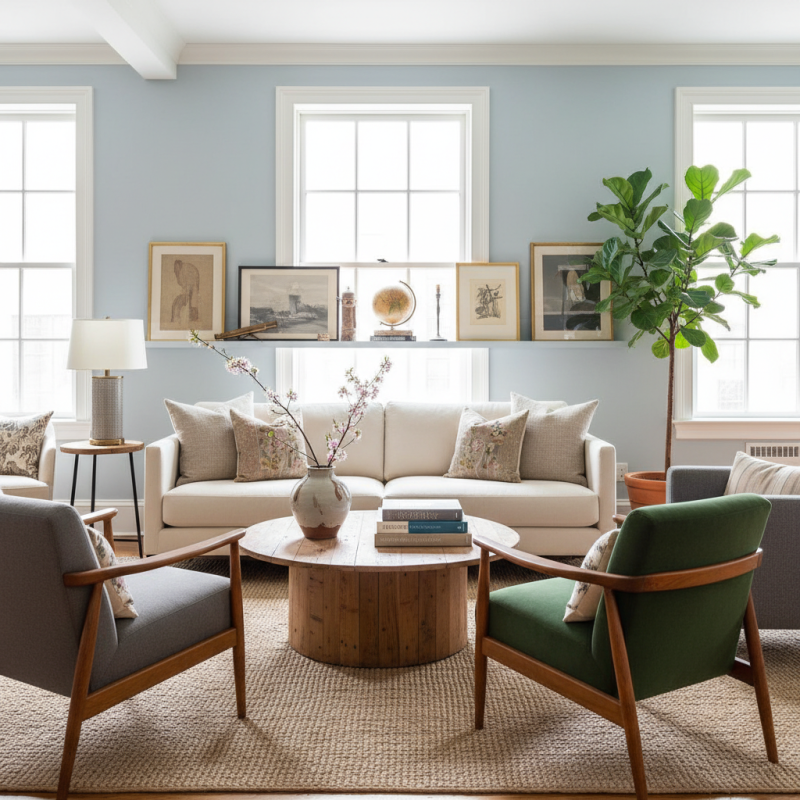
10 Tips to Match Furniture with Your Interior Design Style?

Understanding Your Interior Design Style

Understanding your interior design style is the first step to enhancing your home. Start by reflecting on personal preferences. Look at colors, patterns, and textures you are drawn to. Your style may be eclectic, modern, traditional, or minimalist. Each category has its unique features. Take a moment to define your aesthetic.

Exploring various design styles can be enlightening. Visit showrooms or browse online galleries. Notice how different pieces resonate with you. Be aware that it's okay to mix styles. A contemporary piece can pop in a traditional setting. Keep experimenting; not every choice will be perfect. Some combinations may feel off at first. This journey is about discovering what makes you feel at home.

While matching furniture to your style, pay attention to scale and proportion. A large sofa can overwhelm a small space. On the contrary, tiny furniture in a grand room may feel lost. Remember, balance is key. It's also wise to consider functionality. Your lifestyle should influence your selections. This balance between aesthetics and practicality defines true style.

10 Tips to Match Furniture with Your Interior Design Style

Tip Number Tip Description Recommended Style Furniture Type
1 Choose a cohesive color palette Modern Sofa, Chairs
2 Mix textures for visual interest Eclectic Cushions, Rugs
3 Balance large and small furniture Contemporary Coffee Table, Shelves
4 Define spaces with rugs Minimalist Area Rugs
5 Incorporate multifunctional pieces Scandinavian Storage Ottomans
6 Use statement lighting Industrial Floor Lamps
7 Match furniture scale to room size Traditional Armoires, Desks
8 Incorporate personal touches Bohemian Art, Decor
9 Layer furniture for dimension Rustic Wood Furniture
10 Ensure adequate space for movement Traditional Dining Sets

Identifying Key Color Palettes for Your Furniture

Choosing the right color palette for your furniture is key to enhancing your interior design style. It’s important to consider the overall mood you want to create. Warm colors, like reds and yellows, evoke energy and warmth. They work well in living rooms or kitchens. In contrast, cool colors such as blues and greens promote calmness, ideal for bedrooms or study areas.

When selecting colors, think about how they interact with your walls and accessories. A cohesive palette can tie the room together. You might find that pairing neutral tones with a pop of color creates a striking balance. For instance, a soft gray sofa can be accented with vibrant cushions. This approach adds visual interest without overwhelming the space.

However, don’t shy away from experimentation. Mixing different shades and patterns can lead to beautiful results. It’s okay if something doesn't work out the first time. Trusting your instincts while being open to change will refine your style. Remember, the best designs evoke a personal connection to your space. Allow your choices to reflect your tastes, even if they sometimes clash.

Selecting Furniture Materials that Complement Your Space

When choosing furniture materials, consider how they align with your design vision. Natural wood can add warmth to a space, while metal introduces a modern edge. Pairing these materials thoughtfully can elevate your interior. Think about durability as well. Some finishes may not withstand the test of time.


Texture plays a crucial role too. A plush fabric on a sofa invites comfort, while sleek leather offers sophistication. Mixing these elements can create visual interest. However, too many competing textures might overwhelm your design. Striking a balance between comfort and style is essential. Reflect on what resonates with you.


Colors also impact your choices. Neutral shades can provide versatility, while bold colors make a statement. Choose hues that blend well with your existing decor. A mismatch can disrupt the harmony of the room. Ultimately, selecting furniture materials should reflect both practicality and personal taste. Your space should tell your story.

Balancing Scale and Proportion in Furniture Choices

Balancing scale and proportion is crucial when selecting furniture for your home. Many homeowners overlook this aspect, which can lead to a disjointed look. According to the National Association of Home Builders, improper sizing of furniture is a common mistake, affecting aesthetics and functionality. For a restaurant or office space, 68% of designers emphasize matching furniture size to room dimensions.

Consider the height and breadth of your furniture pieces. A low-profile sofa might look lost in a room with high ceilings. On the flip side, oversized pieces can overwhelm a small space. The American Society of Interior Designers advises that furniture should complement the space, making it feel harmonious. Pay attention to the scale of light fixtures and accessories as well. They can enhance or detract from the overall effect.

Lighting plays a significant role in how furniture proportions are perceived. Poor lighting can distort proportions, leading to dissatisfaction with choices made. A research study from the International Journal of Design highlights that good lighting can enhance the perception of space by up to 30%. Aim for balance by mixing larger and smaller items to create visual interest. Experimenting with various arrangements can lead to surprising, yet pleasing outcomes. Remember, the beauty lies in the thoughtful consideration of scale and proportion.

Incorporating Textures and Patterns for Visual Harmony

Textures and patterns play a crucial role in creating visual harmony within your interior design. When choosing furniture, consider how different textures can add depth to a space. Soft textiles like velvet can contrast beautifully with hard surfaces like wood or metal. The interaction between these materials brings life to a room. Avoid overwhelming the space. Too many contrasting textures can create a chaotic atmosphere. Aim for a balanced mix.

Patterns can also enhance the overall aesthetic. Incorporating geometric or floral patterns can draw attention and create focal points. For example, a patterned throw pillow on a solid sofa can become a conversation starter. Mixing patterns is an art. Start with a dominant pattern, then layer in complementary designs. This technique requires a thoughtful approach. It may take time to find the right combinations.

Reflect on the color scheme as well. A cohesive palette can unify various textures and patterns. Experimenting with shades can lead to stunning results. However, it’s important to remember that not every combination will work. Some attempts may fall flat. Embrace the trial-and-error process. It often leads to unexpected and beautiful outcomes.

FAQS

: What is the first step in enhancing my home’s design?

: Reflect on your personal preferences regarding colors, patterns, and textures.

Can I mix different design styles in my home?

Yes, mixing styles is encouraged. A modern piece can contrast nicely with a traditional setting.

How does size affect my furniture choices?

Scale and proportion are crucial. Large furniture can overwhelm a small room, while small pieces may feel lost in a larger space.

Why is balance important in interior design?

Balance between aesthetics and functionality makes your space feel harmonious.

How can lighting affect my furniture choices?

Good lighting enhances the perception of space. Poor lighting can distort proportions and lead to dissatisfaction.

What role do textures play in interior design?

Textures add depth to a room. Combining soft and hard materials can create visual interest.

How should I approach mixing patterns?

Start with a dominant pattern and layer complementary designs. This requires a thoughtful approach.

Is it normal for some design choices to feel off?

Yes, not every choice will feel perfect. Embrace the trial-and-error process to discover what works.

How can I ensure visual harmony in my space?

A cohesive color palette can unify various textures and patterns. Experimenting with shades often leads to beautiful results.

What should I do if my design choices don’t work out?

Reflect on your choices. Some attempts will fall flat, but they often lead to unexpected and pleasing outcomes.

Conclusion

To successfully learn how to match furniture with your interior design style, it's essential to start with a clear understanding of your preferred design style. This insight allows you to identify key color palettes that resonate with your aesthetic, ensuring that the furniture you choose enhances the overall ambiance of your space. Furthermore, selecting materials that complement your design will create a cohesive look.

In addition to color and materials, paying attention to scale and proportion helps achieve a balanced arrangement in your interiors. Finally, incorporating various textures and patterns adds depth and visual interest, contributing to a harmonious environment. By following these tips, you can create a well-coordinated space that reflects your unique style while effectively matching your furniture selections.

Sophia

Sophia

Sophia is a dedicated marketing professional with an exceptional depth of knowledge about her company's products and services. With a keen understanding of market trends and customer needs, she crafts insightful blog posts that not only inform but also engage readers, enriching the company’s online......