Fance Home
Choosing tableware for daily use can be daunting. It's essential to make informed decisions. As expert Emily Carter states, "Quality tableware enhances your dining experience." Her insights provide valuable guidance on how to choose tableware for daily use.
When selecting tableware, consider your lifestyle. Busy families may prefer durable and dishwasher-safe options. In contrast, those who enjoy entertaining might opt for elegant, decorative pieces. Each choice reflects personal tastes and practical needs.
Additionally, think about the materials. Porcelain, stoneware, and melamine each have distinct advantages. Each option impacts aesthetics and functionality. Reflecting on your dining habits can lead to better choices. Remember, the right tableware can mix beauty with everyday practicality.
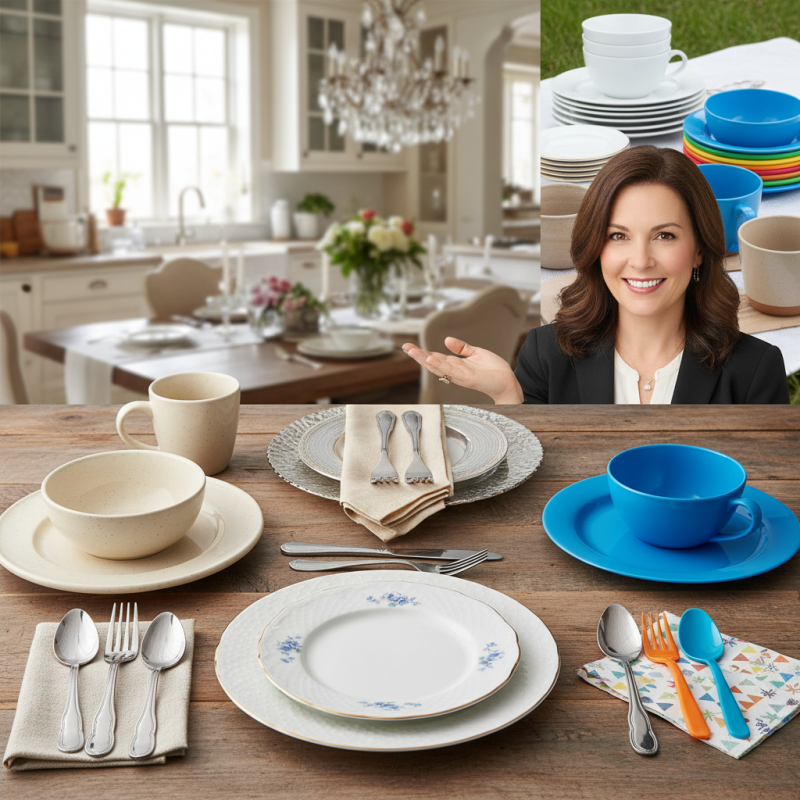
Choosing the right material for tableware can significantly impact your dining experience. Different materials offer unique benefits and drawbacks.
Porcelain, for example, is elegant and durable but can chip easily if mishandled.
Melamine, a popular choice for everyday meals, is lightweight and shatterproof, but it may not withstand high temperatures in the microwave.
Glass tableware brings a touch of sophistication to the table. It's easy to clean and offers a non-reactive surface. However, it can be heavy and prone to breakage.
Bamboo and other sustainable materials have gained popularity due to their eco-friendly nature. They add a rustic feel but might not last as long as traditional options.
Selecting tableware requires careful consideration. Reflect on your lifestyle and how often you entertain guests. Durable options may be necessary for families with young children. If you value aesthetics, porcelain or glass could be ideal. Always balance practicality with your personal taste. Each material has its own story and character, so choose wisely.
When selecting tableware for daily use, understanding safety standards is crucial. According to a study by the Consumer Product Safety Commission, over 100,000 hospital visits are linked to injuries from tableware each year. This underscores the importance of opting for materials that adhere to safety regulations.
Ceramics and glass are generally safe options. However, it's essential to check for lead levels. The FDA states that dishes should not exceed 0.1 parts per million of lead. Many manufacturers provide this information, but not all are transparent.
It’s vital to seek out products that explicitly state compliance with your region's health guidelines.
Plastic tableware is prevalent due to its lightweight convenience. Yet, some plastics contain harmful chemicals like BPA. Recent reports indicate that nearly 75% of plastic tableware tested surpassed the safe chemical limits. Be cautious and look for labels that indicate BPA-free status. Safety certifications provide peace of mind, but vigilance is necessary. Not all products undergo rigorous testing, which can lead to potential health risks.
Choosing tableware for daily use involves a careful balance of aesthetic appeal and functionality. A well-designed plate or bowl should enhance your dining experience while serving its primary purpose. Think about how the shape and design can influence your meals. A shallow dish may work for salads, while deeper bowls suit soups.
Consider the materials used in your tableware. Porcelain offers elegance but can chip easily. Glass provides a modern touch but may not endure heavy use. Reflect on your habits. If you frequently host gatherings, durability becomes crucial. Look for pieces that complement your style but also endure daily wear.
Aesthetic choices should match your lifestyle. A vibrant, colorful set may brighten your meals, but it might clash with your other kitchen items. Functionality isn't just about durability; it's about ease of use. Lightweight options are often easier to handle, especially with kids around. The right balance can elevate your meals and make dining a pleasure rather than a chore.
This chart illustrates the key factors to consider when selecting tableware for everyday meals, comparing their aesthetic appeal and functionality.
When it comes to selecting tableware, size and shape are crucial factors. The right dimensions can enhance your dining experience. Consider the size of your dining table and the number of people you typically serve. Larger plates can look appealing, but they may overwhelm smaller tables. Try to create a balance.
Ensure that your plates can comfortably fit on the table without crowding. A good tip is to choose plates that are 10 to 12 inches in diameter for everyday meals. This size is versatile and suits various dishes. Bowls should have similar size considerations, allowing for enough space yet remaining practical for everyday use.
Additionally, the shape of your tableware influences style and function. Round plates are classic and suitable for most meals. However, square plates can add a modern touch to your collection. Reflect on your personal style and how different shapes can complement your dining aesthetic. Remember, it’s important to have a mix. Mixing shapes can create visual interest but may require careful arrangement. Choosing tableware is a personal journey. Embrace experimentation to find what truly works for your needs.
The choice of tableware plays a significant role in enhancing food presentation and overall dining experiences. Selecting the right plates, bowls, and utensils can elevate the meal, making it visually appealing. A well-set table invites guests and creates a warm atmosphere. It sets the tone for the meal and can spark conversation.
Consider the color and texture of your tableware. Bright colors can make dishes pop, while earth tones create a cozy feel. Mixing textures—like ceramic and wood—adds depth to the presentation. Pay attention to the shapes; round plates are classic, while square ones offer a modern touch. Layering different pieces can create an interesting visual narrative.
When choosing tableware for daily use, think about functionality as well. Lightweight items are easier to handle. Dishwasher-safe options save time on cleaning. It’s essential to reflect on durability, especially for everyday meals. Be mindful of the pieces you choose; small chips and cracks can detract from the aesthetic. Sometimes, less is more—focus on a few key pieces that truly resonate with your style.
| Tableware Type | Material | Impact on Food Presentation | Durability | Ease of Care |
|---|---|---|---|---|
| Plates | Porcelain | Elegant and refined look enhances the dish | High durability, can last for years | Dishwasher safe, easy cleaning |
| Bowls | Ceramic | Vibrant colors can highlight the food | Moderate durability, careful handling needed | Generally microwave and dishwasher safe |
| Cutlery | Stainless Steel | Adds a polished finish to table setting | Highly durable, resistant to corrosion | Easy to clean and maintain, dishwasher safe |
| Glasses | Glass | Transparent quality showcases beverages beautifully | Moderate durability, can shatter easily | Usually dishwasher safe, prone to water spots |
| Serving Platters | Stoneware | Rustic look enhances presentation of larger dishes | High heat resistance, durable for serving | Usually easy to clean but may be heavy |
: Consider the material, durability, aesthetics, and how often you entertain.
Porcelain is beautiful but can chip easily, making it less suitable for young children.
Glass adds sophistication and is easy to clean; however, it can be heavy and fragile.
Yes, bamboo and similar materials are eco-friendly, but they may not last as long.
The shape influences meal types; shallow dishes suit salads, while deep bowls are better for soups.
Focus on durability to withstand heavy use and avoid breakage during events.
Yes, colorful sets may not coordinate well with your kitchen, so consider style carefully.
Ignoring the balance between functionality and design can lead to unsatisfying dining experiences.
Lightweight options are easier to handle, especially for children, minimizing accidents.
Yes, but don't forget to also consider practicality and ease of use in your choices.
When considering how to choose tableware for daily use, it’s essential to evaluate several factors that contribute to both functionality and aesthetic appeal. Start by choosing the right material, weighing the pros and cons of options like ceramic, glass, and plastic, and understanding the relevant safety standards and regulations. This ensures that the tableware is not only visually pleasing but also safe for daily meals.
Additionally, consider the design of the tableware, balancing aesthetics with practicality, and determine the right size and shape that suits your dining needs. The impact of tableware on food presentation can enhance the overall dining experience, making it crucial to select pieces that complement the meals being served. Ultimately, thoughtful selection of tableware will elevate both the enjoyment of your meals and the ambiance of your dining environment.
