Fance Home
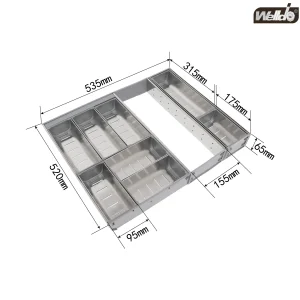
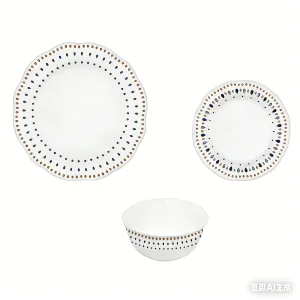
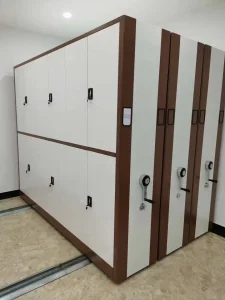
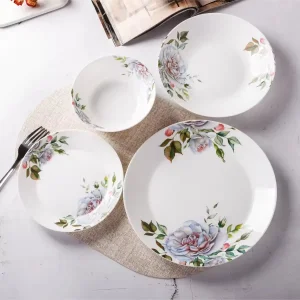
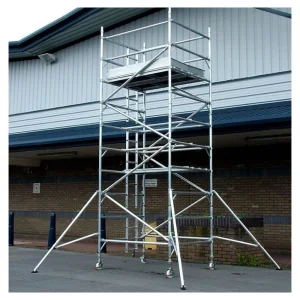
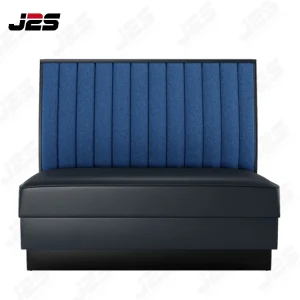
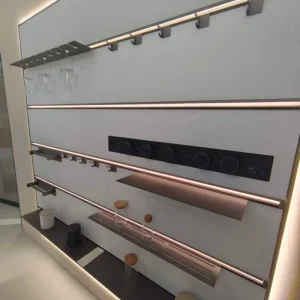
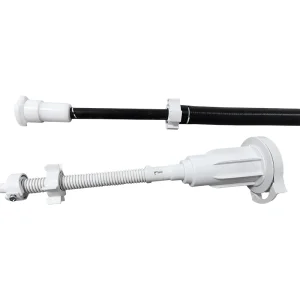
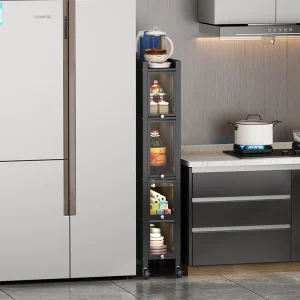
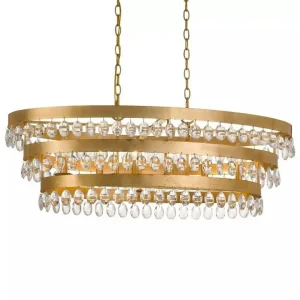
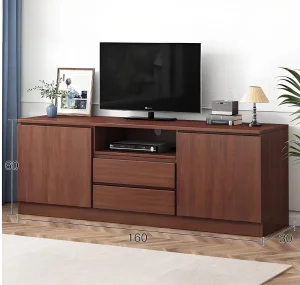
The products below are shown directly beneath the banner as required. Each product image, original product URL and product description has been retained, with the link presented as a clear button-style call to action for mobile and desktop buyers.
Bedroom textiles are no longer a simple commodity purchase. They combine comfort, hygiene, durability, fire performance, sustainability claims and brand presentation. That is why serious B2B buyers evaluate the supplier behind the product, not only the price in front of them.
In the global market, bedroom textile sourcing sits at the intersection of three forces. First, replacement demand remains steady in hospitality, healthcare, student housing, serviced apartments and residential retail because sheets, pillowcases, duvet covers, mattress protectors, curtains and throws wear out or are refreshed on planned cycles. Second, e-commerce and private-label growth have increased the number of SKUs, packaging formats and market-specific size systems that suppliers must manage. Third, buyers increasingly need documentation: fiber content, care instructions, restricted-substance declarations, colorfastness reports and traceability statements. A supplier that can provide a reliable product plus a reliable information trail is more valuable than a low-cost supplier that cannot support the buyer's compliance team.
China remains a major industrial base for bedroom textiles because it offers depth rather than a single advantage. A single program may involve yarn selection, fabric weaving, dyeing, finishing, cutting, sewing, embroidery, label printing, packaging and export consolidation. In well-developed textile clusters, these steps sit close together. That proximity supports faster sampling, tighter coordination and more practical problem-solving when a buyer adjusts GSM, color, handfeel, size tolerance or packaging. However, "China best" should not be treated as an automatic claim. The right interpretation is best fit for the buyer's specification, compliance requirements, order size and delivery schedule. A rigorous sourcing partner makes that fit visible.
Note: numeric indicators summarize information reflected on this page. Product availability, specifications, certifications and test reports must be confirmed for each purchase order.
Semantic search intent in this industry is layered. Buyers search for bedding manufacturers, hotel linen exporters, custom duvet cover suppliers, blackout curtain factories, private-label cushion makers and China-based sourcing partners. The common intent behind those queries is not only "show me a product"; it is "prove that you can deliver my program without creating quality, compliance or delivery risk."
Dimensions, fiber composition, weave, GSM, shrinkage limits, colorfastness, stitching, care labels and packaging must be defined before quotation. A supplier that asks precise questions is usually safer than one that quotes immediately without a technical brief.
Destination markets may require restricted-substance declarations, fiber-content accuracy, care labeling, flammability information or performance test reports. Evidence should be discussed at sample stage, not discovered before shipment.
Unit price is only one part of the decision. Packaging, carton size, inspection, consolidation, freight, duties, rework risk and inventory carrying cost all influence the real landed cost of a bedroom textile program.
Buyers need transparent sampling calendars, bulk production windows, material lead times and shipping plans. A realistic schedule with early warnings is more useful than an optimistic date that collapses during peak season.
Private-label programs often require custom sizes, woven labels, printed care labels, hangtags, polybags, carton marks, barcodes and assortment packing. The supplier must control these details without slowing production.
Photo updates, measurement reports, inspection summaries and a clear escalation path reduce cross-border uncertainty. After-sales documentation matters when a hotel group or retailer needs to audit an order after delivery.
China's bedroom textile advantage is not simply labor capacity. It is an ecosystem effect. Textile clusters across Zhejiang, Jiangsu, Shandong, Guangdong and other regions bring together fabric mills, dyehouses, printers, finishing plants, accessory suppliers, packaging providers, inspection teams and freight forwarders. For a buyer, that means a single program can move from yarn and greige fabric to finished bedding, curtains or cushions with fewer coordination breaks. In practice, cluster density reduces hidden delays: a replacement fabric can be sourced faster, a lab dip can be reviewed sooner, and a carton specification can be corrected before production is complete.
Vertical process control is another efficiency driver. When weaving, dyeing, finishing, cutting and sewing are aligned under a controlled program, the supplier can protect critical-to-quality attributes more consistently. Digital color communication helps reduce approval cycles. Automated cutting improves dimensional consistency for large repeat orders. Line balancing and production tracking help factories move from sample approval to bulk execution without losing specification details. Export experience also matters: carton marking, shipping documents, consolidation, inspection arrangements and destination-specific labeling can be planned before goods leave the factory.
Efficiency should never be confused with skipping verification. A credible sourcing partner sets measurable gates: technical pack review, lab-dip and sample approval, pre-production meeting, in-line checks, final inspection, measurement review, color verification, packaging audit and shipment release. The objective is to catch deviations while correction is still economical. This is especially important for bedroom textiles because buyers often order multiple sizes, colors and packaging variants in one purchase order.
This visual is an editorial capability map, not a statistical benchmark. It reflects the operational areas buyers commonly examine when comparing China-based bedroom textile suppliers.
Buyer takeaway: assess the supplier's process, not only the factory address. Ask for the exact verification method behind each claim.
A bedroom textile solution is a system of material choices. Cotton percale, sateen, linen, bamboo blends, Tencel, polyester microfiber and recycled blends each create different handfeel, durability, care and cost profiles. The correct choice depends on the application, laundry cycle, climate, retail price band and required documentation.
Define fiber content by function: breathability, absorbency, wrinkle resistance, warmth, durability or recycled-content positioning. Avoid relying on a single "premium" label; the blend and construction must match the final use.
Thread count alone does not guarantee quality. Yarn size, weave structure, fabric weight, finishing and stitching also shape durability and handfeel. Buyers should approve a physical sample against measurable criteria.
Lab dips, spectral color data and batch approvals help protect shade consistency. Colorfastness to washing, light and rubbing should be reviewed where the product will face commercial laundering or strong sunlight.
Shrinkage control, seam strength, hem straightness, pilling and size tolerance are critical for hotel and retail programs. A beautiful sample that changes after laundering is not a reliable production standard.
Flame-retardant, water-repellent, stain-release or mattress-protection features may be relevant for specific markets. Any performance claim should be supported by appropriate testing and destination-market review.
Care labels, brand labels, hangtags, polybags, inserts, barcodes, carton marks and assortment packing are part of the product. Packaging errors can stop a retail launch even when the textile itself is correct.
The same bedding specification will not succeed in every market. Local climate, laundry practice, bed-size systems, regulatory expectations and brand positioning change the brief. A capable exporter helps the buyer localize the program before bulk production.
Hospitality programs prioritize laundering durability, consistent sizing, color retention, replacement planning and brand presentation. Blackout curtains, duvet covers, pillowcases, mattress protectors and throws may be coordinated as a room package.
Frequent washing, cleanability, dimensional stability, color-coded ranges and documentation are often more important than decorative texture. Buyers should confirm performance expectations with their infection-control and procurement teams.
Retail buyers need tactile storytelling, strong photography, clear care labels, packaging quality and seasonal color drops. Size systems should match the destination market, such as US Queen/King, EU 135x200 or 200x200, UK single/double and other local formats.
Standardization, cost control, durability and fast replenishment usually dominate. Easy-care blends, reinforced seams and simplified packaging can reduce total cost across large room counts.
Breathable weaves, lighter fills, moisture management, fade resistance and comfort under air-conditioning are important. Middle East and tropical markets often require customized sizing and packaging languages.
Brushed flannel, high-loft fills, layered warmth systems and warmth-to-weight ratio can support premium positioning. Buyers should verify insulation claims and care performance before committing to a winter range.
Large buyers rarely purchase bedroom textiles as isolated items. They manage programs across properties, channels, seasons and regions. That makes supplier control essential. The most effective RFQs are not simply requests for a price; they are structured requests for evidence, process and risk management. Before comparing quotations, align the technical pack, compliance requirements, packaging rules, delivery schedule and inspection method. This reduces the chance that two suppliers are quoting different products under the same product name.
Provide size charts, fiber content, fabric weight, construction, color references, care instructions, label placement, packaging and acceptable tolerances. Clear inputs create comparable quotations.
Review business scope, production capability, previous export markets, quality organization, subcontracting arrangements and documentation readiness. Verify claims with order-specific evidence where possible.
Approve lab dips, material swatches, pre-production samples and packaging mock-ups. Keep signed golden samples so bulk inspection has a clear reference.
Agree on inspection timing, sampling method, measurement points, color review method, defect classification and corrective-action process. Use an inspection standard appropriate to the product and market.
Confirm polybag warnings, carton strength, barcode placement, shipping marks, container loading plan and consolidation requirements. Logistics should be engineered with the product, not after it.
Recycled content, organic claims, restricted substances and traceability should be supported by valid documentation. Avoid vague environmental statements; use specific, verifiable claims approved for the destination market.
The direction of travel is clear: bedroom textiles are becoming more documented, more application-specific and more connected to brand risk. Buyers want products that look good in a showroom and also survive audits, laundering, shipping and customer scrutiny.
Buyers increasingly expect material declarations, supplier records and batch-level documentation. Traceability is becoming a procurement feature, not a marketing optional extra.
Recycled polyester, waste-reduction programs, repairable construction and packaging reduction are being tested across retail and hospitality. Claims must be supported by clear evidence and market-appropriate wording.
Commercial laundry durability, stain release, moisture management and dimensional stability are becoming differentiators for hospitality and healthcare buyers.
Private-label brands need faster color drops, lower initial runs and flexible packaging. Suppliers with modular production planning can support market tests without treating every order as a full container program.
Digital lab dips, 3D room mock-ups and rapid sample photography reduce approval cycles. They also help buyers align textiles with furniture, lighting and décor across an entire room concept.
Breathable summer bedding, layered winter systems, humidity-resistant finishes and thermal-comfort stories are expanding across e-commerce and premium retail ranges.
Fance Home offers a thoughtfully curated product line designed to meet the needs of modern households:
Furniture: A wide selection of coffee tables, side tables, accent chairs, dining sets, ceramic stools, shelves, and outdoor pieces designed for both style and function.
Tableware: Elegant dinnerware, bowls, cutlery, trays, mugs, tea/coffee sets, and other essentials to elevate any dining experience.
Home Decor: Clocks, mirrors, carpets, artificial flowers, vases, frames, candles, and more to create inviting, personalized spaces.
Building Supplies: High-quality PVC/WPC/MDF wall panels, skirting boards, crown moldings, and other finishing materials that enhance interior aesthetics.
Kitchen: Cookware, ceramic tea/coffee sets, knives, utensils, cutting boards, and more, crafted to simplify cooking and entertaining.
Bathroom: Laundry baskets, storage solutions, basins, vanities, and accessories that bring both practicality and style to any bathroom.
Every product from Fance Home reflects our dedication to creativity, efficiency, and the joy of home living.
For bedroom textile programs, Fance Home applies the same supplier network, quality-control thinking and export coordination to bedding, curtains, cushions, throws and related room solutions. Buyers can discuss a focused bedroom program or a broader cross-category assortment, depending on market needs and order planning.
With over a decade of specialized expertise in home goods, Fance Home understands market trends and consumer needs, offering insights to keep you ahead.
Our long-term relationships with top-tier Chinese manufacturers ensure a reliable supply of high-quality products.
Expert negotiation and bulk purchasing help secure competitive pricing, enhancing your profit margins without compromising quality.
Our multi-step inspection process guarantees that every product meets international standards, reducing risks and increasing customer confidence.
We manage the entire shipping process from customs clearance to final delivery, ensuring a seamless and efficient supply chain.
Tailored sourcing strategies are designed to meet your unique business objectives, including product customization, flexible orders, and market-specific adaptations.
The original image assets below have been retained and displayed with responsive sizing so they remain complete without forced compression or cropping.






A supplier page earns confidence when it helps buyers verify claims instead of simply repeating them. The E-E-A-T lens is practical: experience should be visible in process, expertise in specification, authoritativeness in documentation, and trust in transparent limits.
More than a decade in home goods and long-term supplier relationships provide practical exposure to market trends, packaging requirements and cross-category sourcing.
Deep content should connect fiber selection, fabric construction, color control, quality inspection and export logistics to the buyer's specific application.
Authority is not a badge. It is the ability to explain the supply chain clearly, identify what must be tested and direct buyers to order-specific evidence.
Transparent statements are stronger than universal promises. MOQ, lead time, certification and performance claims should always be confirmed against the actual specification and destination market.
This page is an editorial sourcing guide. It does not replace a purchase-order specification, factory audit, test report or destination-market compliance review.
These answers address common procurement questions from hotels, retailers, distributors, private-label brands and commercial buyers comparing China-based bedroom textile manufacturers and exporters.
Fance Home operates as a home-goods sourcing and export partner with long-term relationships across Chinese manufacturers. For bedroom textile programs, the relevant production route depends on the product: bedding, curtains, cushions, mattress protection or a broader room package. Buyers should ask for the proposed factory, production scope, sample route and order-specific documentation before confirming a purchase order.
Yes. Market-specific sizes, color references, labels, care instructions, hangtags, polybags, carton marks and assortment packaging can be discussed as part of the technical brief. Clear size charts and packaging artwork should be approved before bulk production. This is especially important for US, EU, UK, Middle East and Japan size systems.
Include product type, dimensions, fiber composition, fabric weight or GSM, construction, color reference, quantity per size and color, packaging requirements, destination market, required test reports, target delivery window and any label or brand requirements. A complete technical pack helps suppliers quote comparable specifications and avoid hidden cost differences.
A practical plan includes approved golden samples, material and color checks, in-line production review, measurement verification, visual inspection, packaging audit and final shipment release. Compliance documents depend on the destination market and product claims. Buyers should specify required test standards and accept only reports that match the actual material, color and production batch.
No. A lower unit price can be offset by higher freight, packaging rework, inspection failure, delayed delivery or weak documentation. Evaluate total landed cost, quality consistency, communication speed, replacement risk and the supplier's ability to meet your compliance requirements. The best supplier is the one that creates the lowest total risk for the specific program.
Start with a written brief: product list, target market, size system, reference images, expected order volume, packaging needs, compliance requirements and delivery timeline. Ask for a sampling plan and a clear list of decisions required from your team. A controlled start reduces rework later and helps both buyer and supplier align on quality, cost and schedule.
The final module below displays the remaining eight products from the supplied product set. All original image URLs, product links and descriptions are retained, with each link styled as a button for mobile-friendly interaction.