Fance Home
Fance Home
Fance Home
The global compact furniture market is witnessing an unprecedented surge, driven by rapid urbanization and the rising "micro-living" trend. As metropolitan areas like New York, London, Tokyo, and Shanghai face increasing population density, the demand for multifunctional, space-saving furniture has transitioned from a niche luxury to a commercial necessity. Compact furniture solutions are no longer just about "small" items; they represent intelligent engineering that maximizes square footage without compromising on aesthetics or comfort.
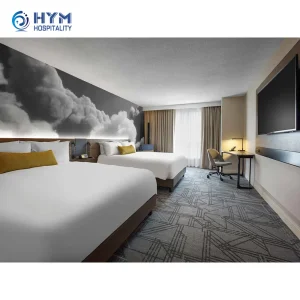
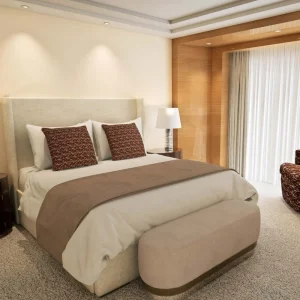
Today, this industry is valued at billions of dollars, with a significant shift toward integrated technology. B2B buyers—ranging from real estate developers and hospitality chains to corporate office planners—are seeking manufacturers who can provide "smart" compact solutions. These include beds that transform into desks, modular kitchen systems that fit into minimal footprints, and high-density storage systems that utilize vertical space efficiently.
Modern buyers demand furniture that can adapt. Modular sofas, expandable dining tables, and "nesting" furniture sets allow users to reconfigure their living or working spaces instantly. For developers, this means being able to market small units as versatile living hubs.
The "Smart Home" is merging with "Compact Living." We are seeing an increase in furniture with built-in wireless charging, integrated LED lighting, and motorized components controlled via smartphone apps—perfect for high-end hospitality and tech-savvy residential projects.
Global procurement teams now prioritize E-E-A-T principles in their suppliers. Reliability today includes environmental responsibility. Utilizing recycled steel, FSC-certified solid wood, and low-VOC finishes is essential to meet international building codes and LEED certifications.
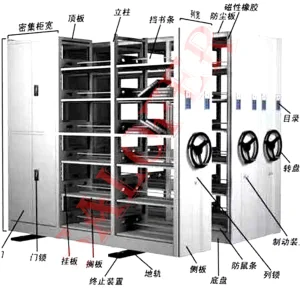
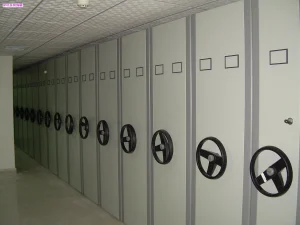
Commercial sectors, especially logistics and retail, are demanding high-density storage systems like mobile compact shoe boxes and steel shelving that can double storage capacity without increasing the floor footprint.
Fance Home offers a thoughtfully curated product line designed to meet the needs of modern households and commercial venues:
A wide selection of coffee tables, side tables, accent chairs, dining sets, ceramic stools, shelves, and outdoor pieces designed for both style and function.
Elegant dinnerware, bowls, cutlery, trays, mugs, tea/coffee sets, and other essentials to elevate any dining experience.
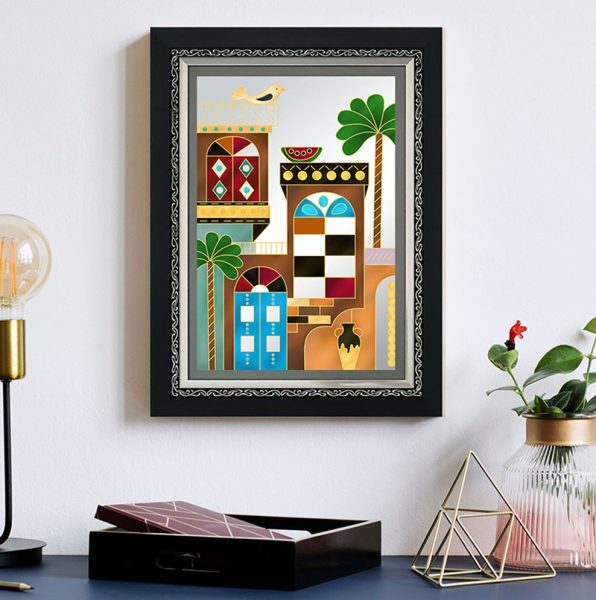
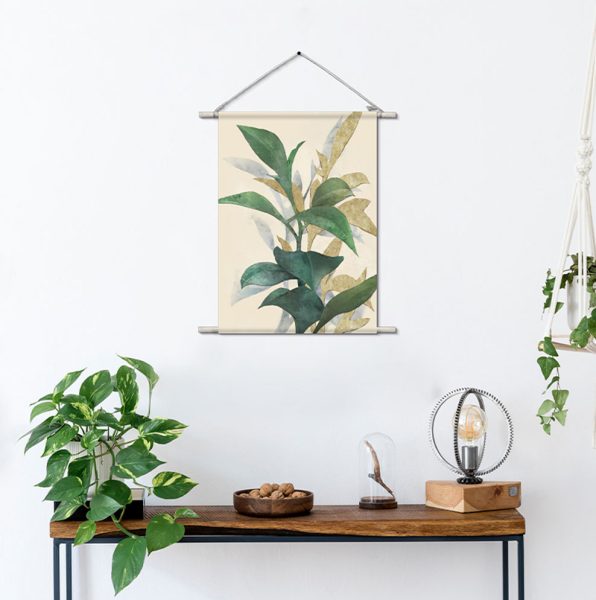
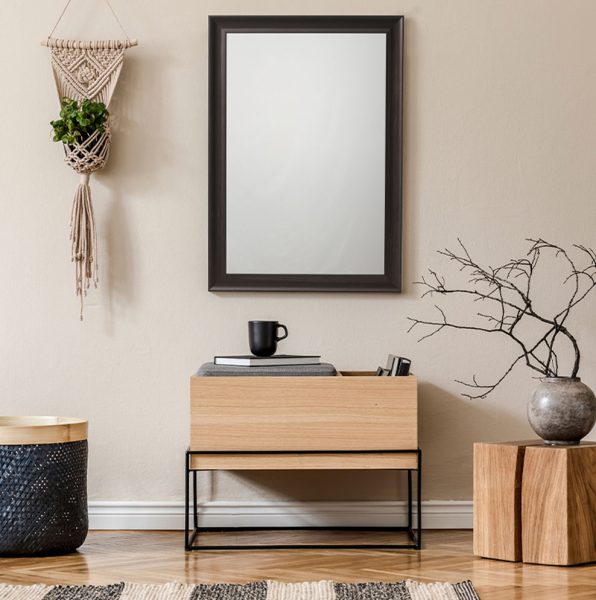
Clocks, mirrors, carpets, artificial flowers, vases, frames, candles, and more to create inviting, personalized spaces.
High-quality PVC/WPC/MDF wall panels, skirting boards, crown moldings, and other finishing materials that enhance interior aesthetics.
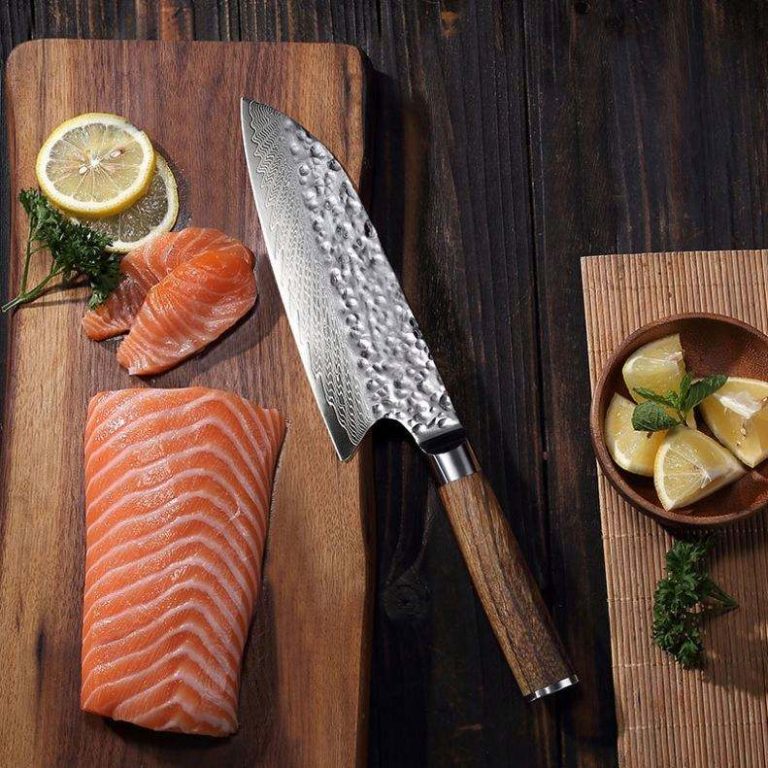
Cookware, ceramic tea/coffee sets, knives, utensils, cutting boards, and more, crafted to simplify cooking and entertaining.
Laundry baskets, storage solutions, basins, vanities, and accessories that bring both practicality and style to any bathroom.
Every product from Fance Home reflects our dedication to creativity, efficiency, and the joy of home living.
With over a decade of specialized expertise in home goods, Fance Home understands market trends and consumer needs, offering insights to keep you ahead.
Our long-term relationships with top-tier Chinese manufacturers, particularly in the Foshan and Guangdong hubs, ensure a reliable supply of high-quality products.
Expert negotiation and bulk purchasing help secure competitive pricing, enhancing your profit margins without compromising quality.
Our multi-step inspection process guarantees that every product meets international standards, reducing risks and increasing customer confidence.
We manage the entire shipping process from customs clearance to final delivery, ensuring a seamless and efficient supply chain for global exporters.
Tailored sourcing strategies are designed to meet your unique business objectives, including product customization, flexible orders, and market-specific adaptations.
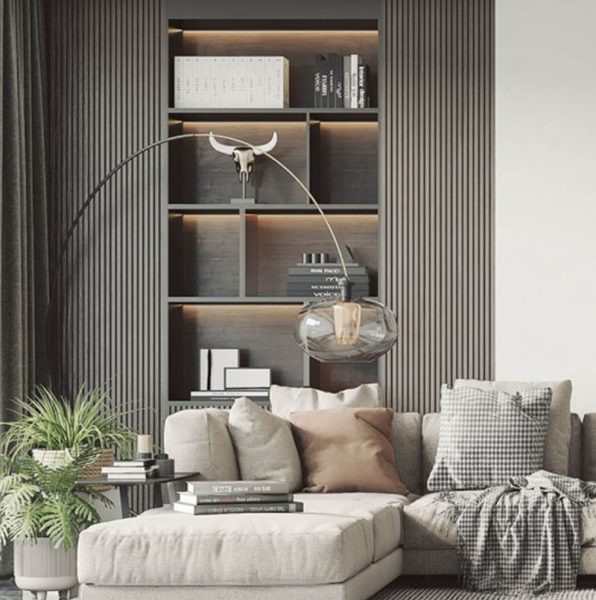
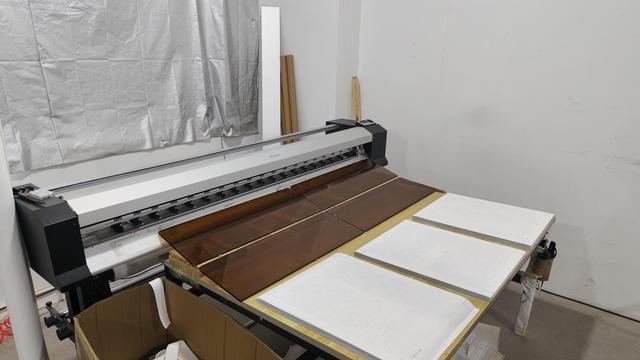
Our compact furniture solutions are engineered for diverse global environments, ensuring adaptability across different cultures and spatial constraints: