1 / 5
 Fance Home
| Model NO. | EKG-300 | Usage | General, Engineering & Specialty Plastics |
|---|---|---|---|
| Plastic Properties | Thermoplastic Plastics | Forming Method | Injection |
| Hardness | 40A-50A | Density | 0.9-1.1g/cm³ |
| Elongation at Break | ≥450% | Tensile Strength | ≥3MPa |
| Package Size | 50.00cm * 50.00cm * 50.00cm | Gross Weight | 25.000kg |
| Property | Specification / Value |
|---|---|
| Shore Hardness | Shore A 40-50 (Optimized for comfortable grip) |
| Tensile Strength | 3 MPa (ASTM D412; prevents tearing) |
| Elongation at Break | 450% (Ensures flexibility for snug fit) |
| Coefficient of Friction (Dry) | 0.5 (ASTM D1894; enhances anti-slip) |
| Water Absorption | 0.1% (ASTM D570; no moisture retention) |
| Heat Resistance | 100ºC (Safe for warm food contact) |
| Compression Set | 12% (Rapid shape recovery) |
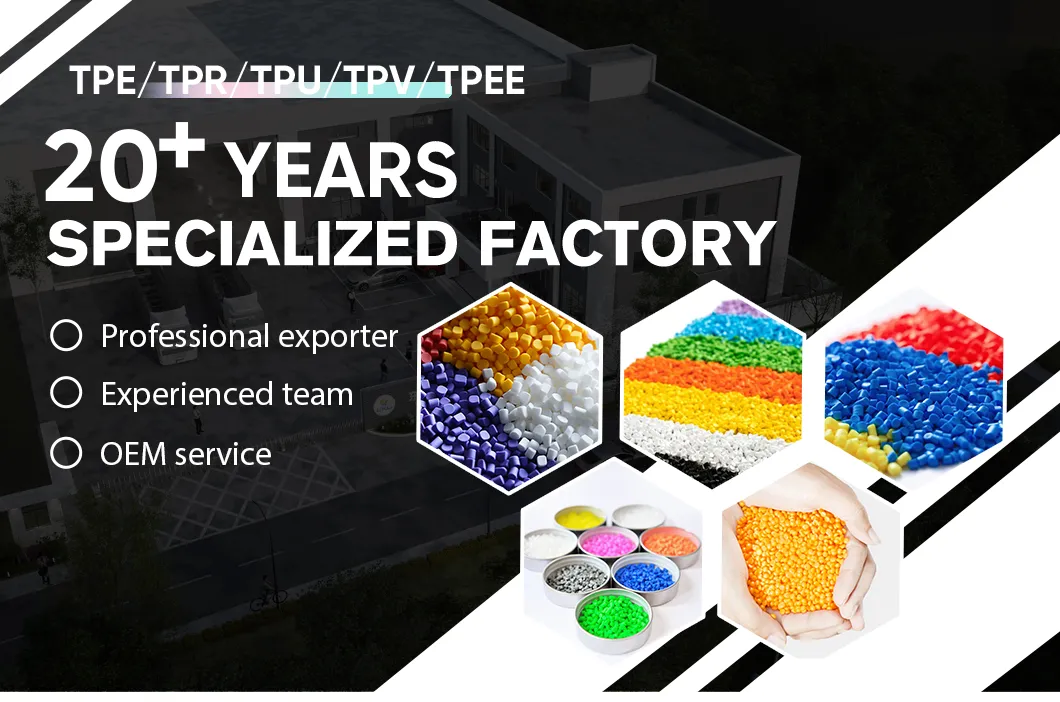
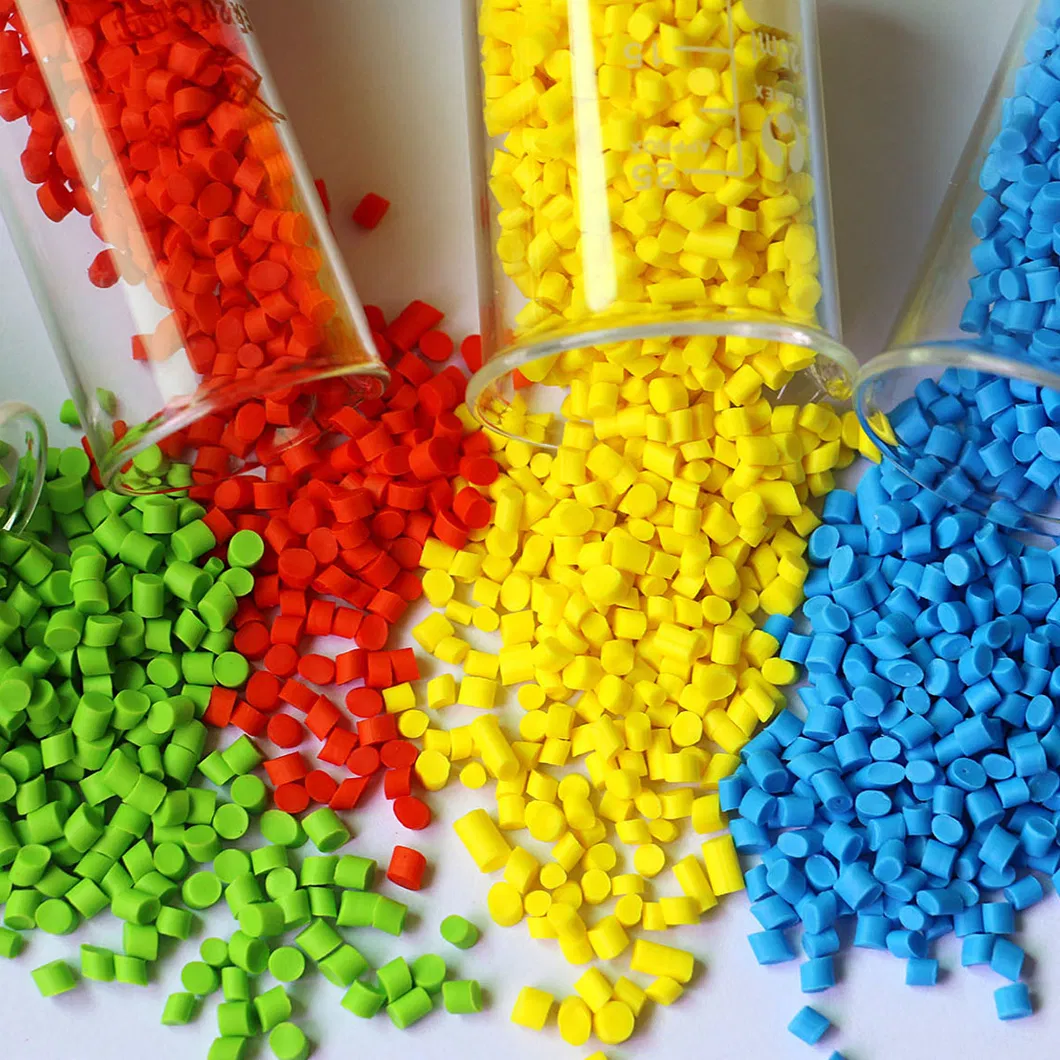
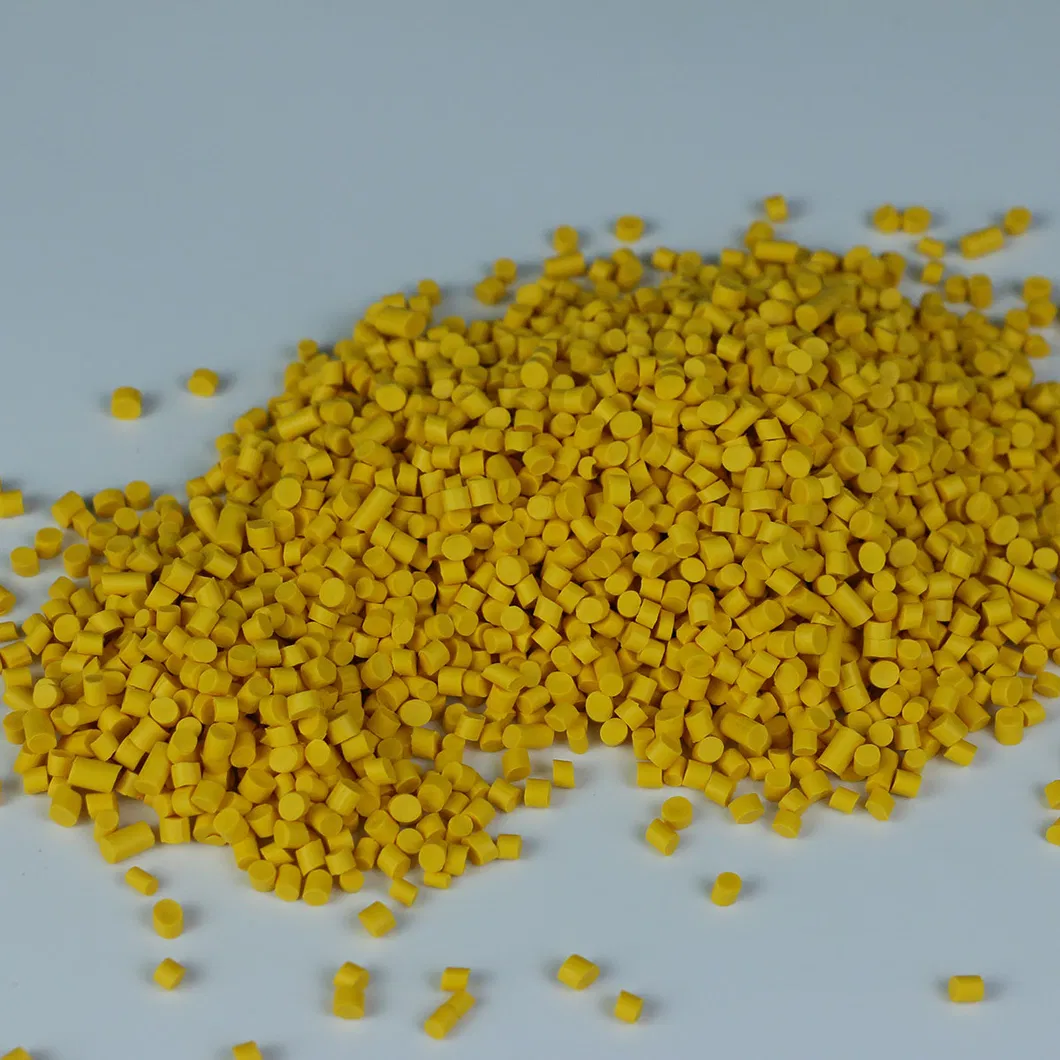
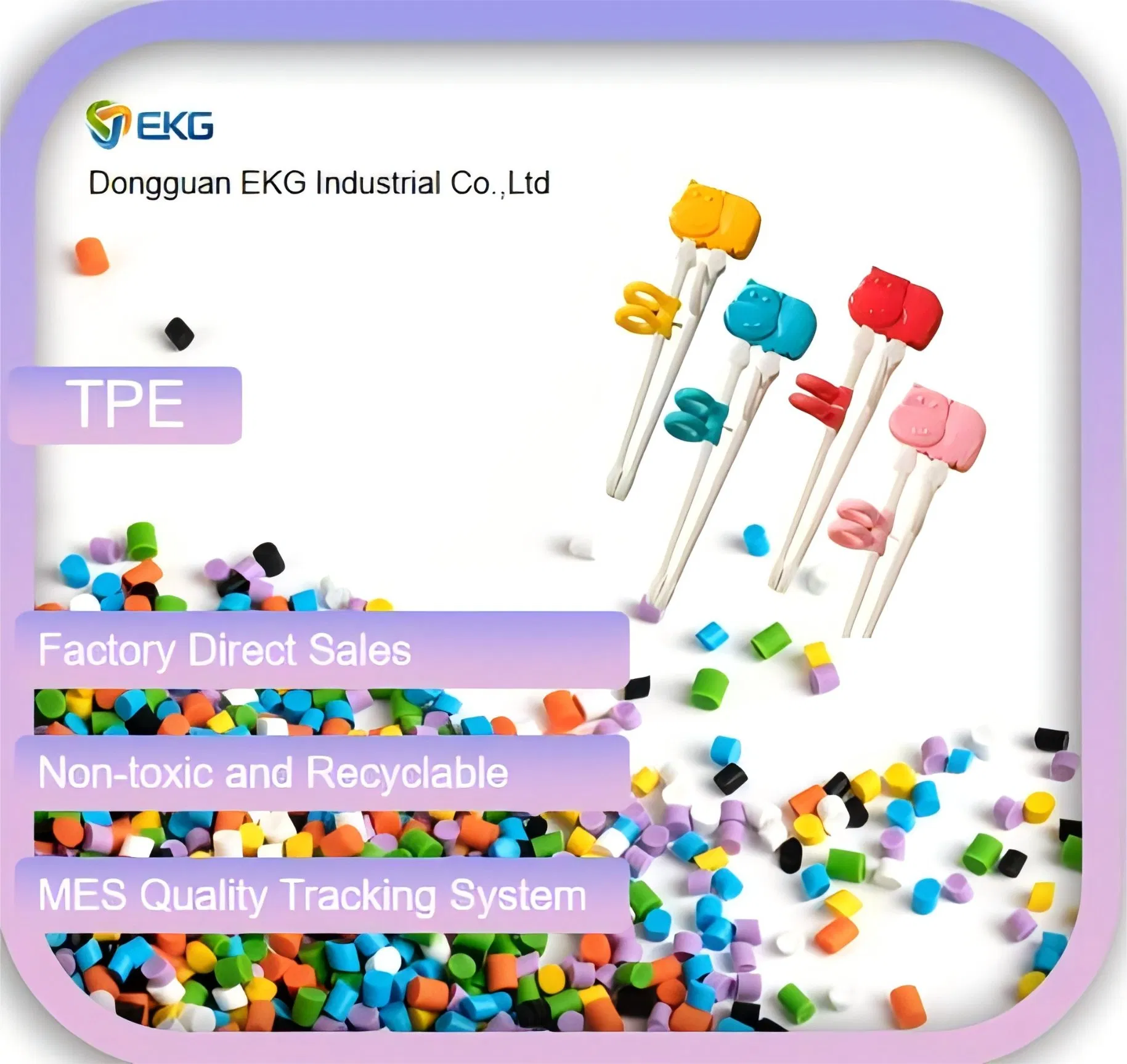
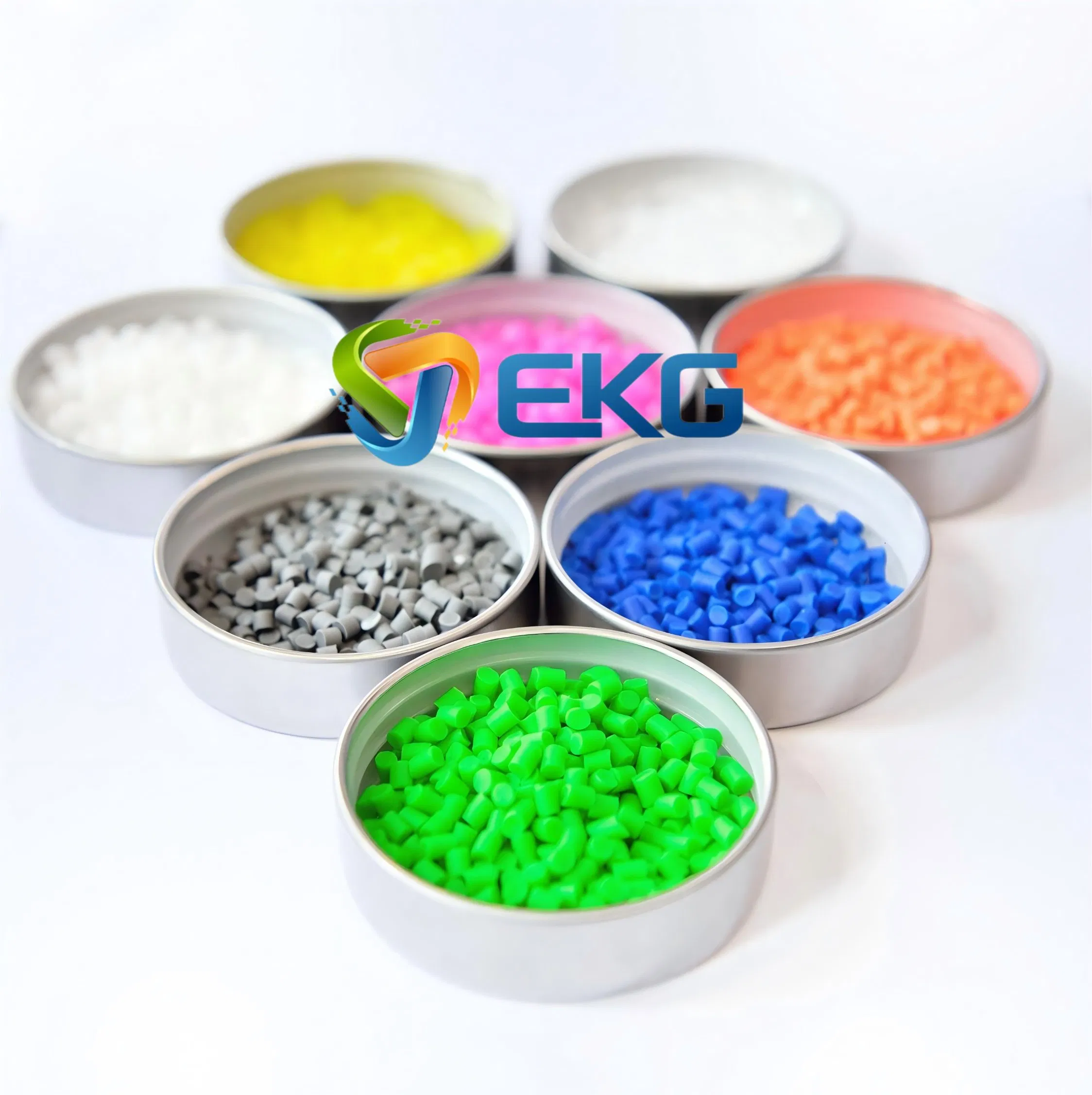
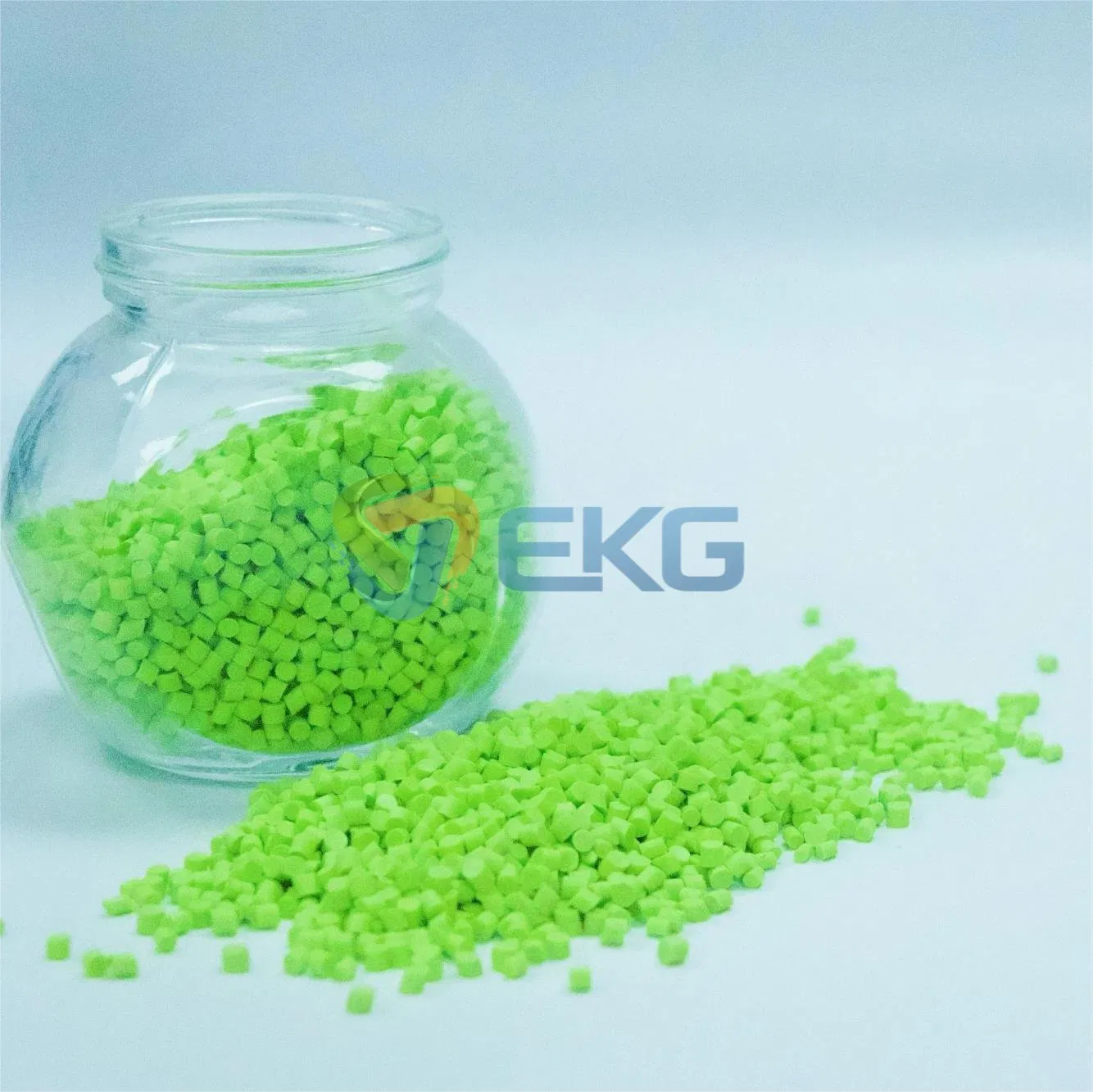
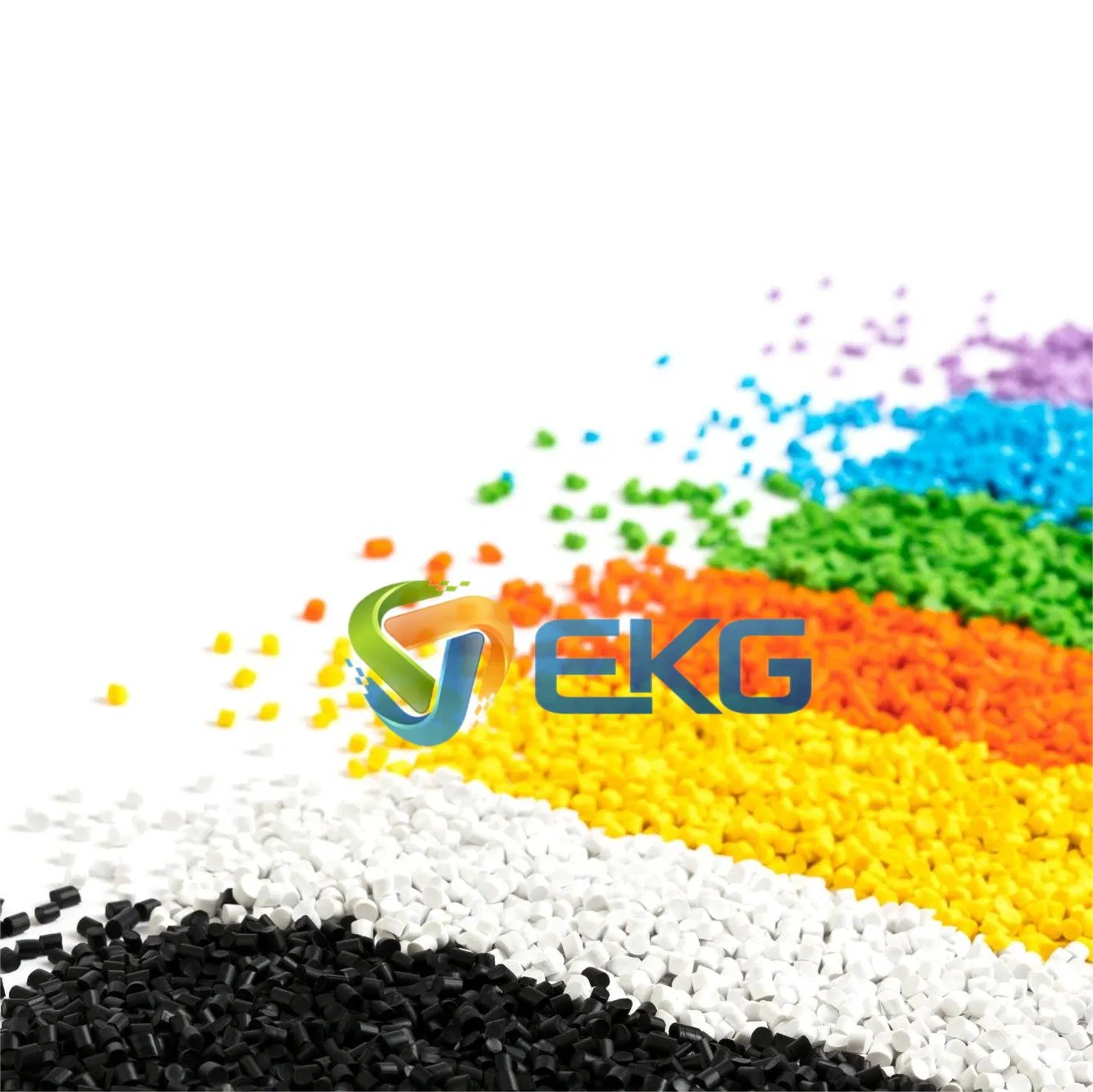
Thermoplastic Elastomer (TPE) is a polymer material combining rubber elasticity with plastic processability. It is environmentally friendly, aging-resistant, and widely used in automotive, electronics, and medical fields.
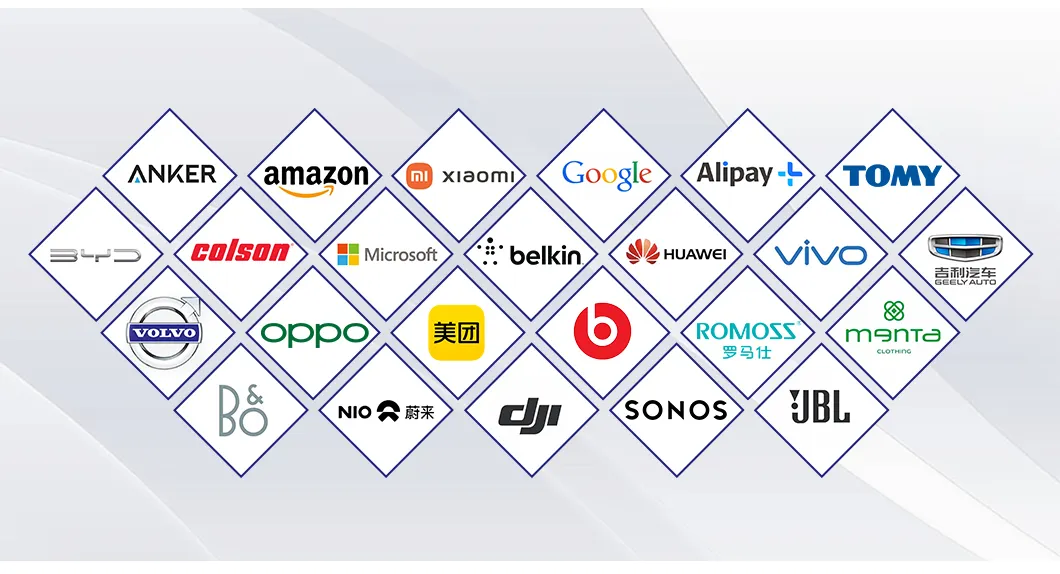
With 20+ years of TPE expertise, the facility spans 10,000 square meters featuring 13 production lines and an annual capacity of 25,000 tons. Adhering to strict quality standards, these TPE products serve global sectors including 3C, automotive, medical, and pet care.
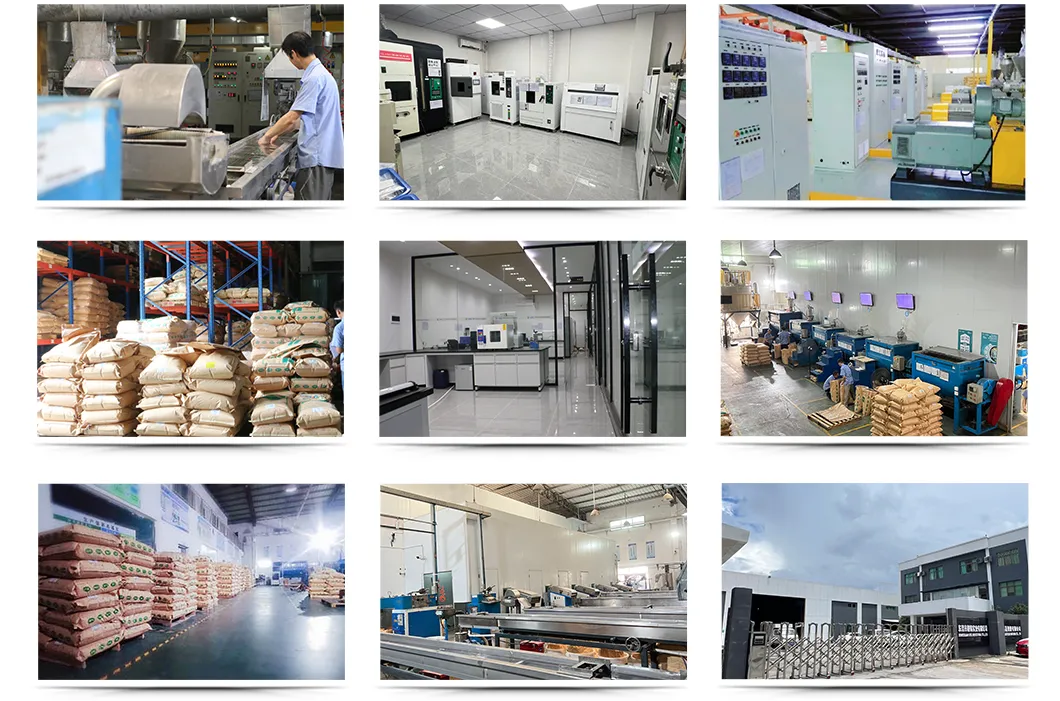
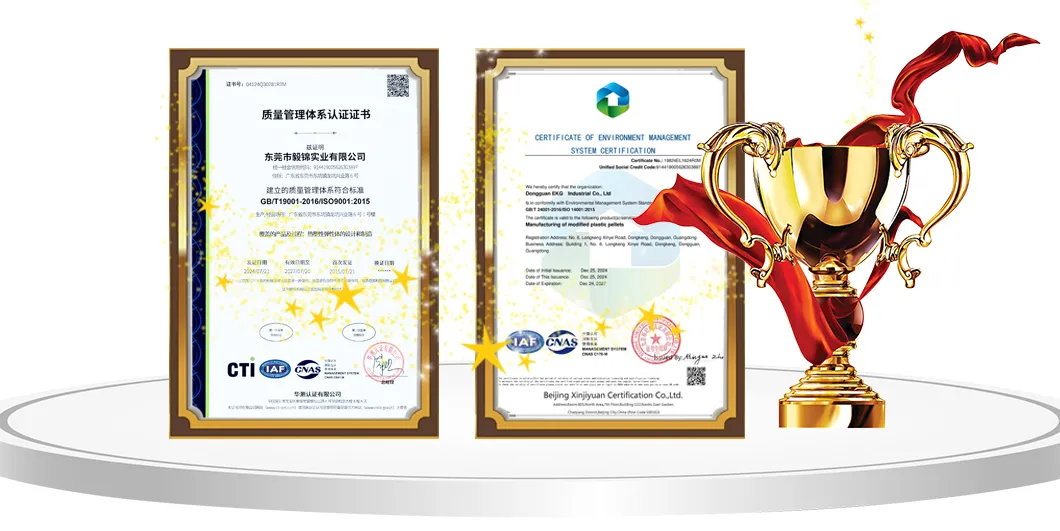
Standardized Management: Compliance with ISO 9001-2015, ISO 14001, and QC 080000 ensures consistency and reliability. International accreditations include GRS, FDA, and ROHS.
Independent Lab: Equipped with a full-scale testing suite and MES tracking system for real-time quality monitoring and product traceability.

A: TPE compounding involves blending with additives to customize specific properties like hardness and elasticity. TPU processing focuses on shaping raw materials with high wear resistance into finished products through injection or extrusion.
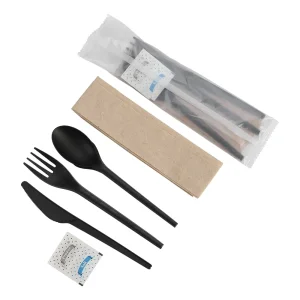
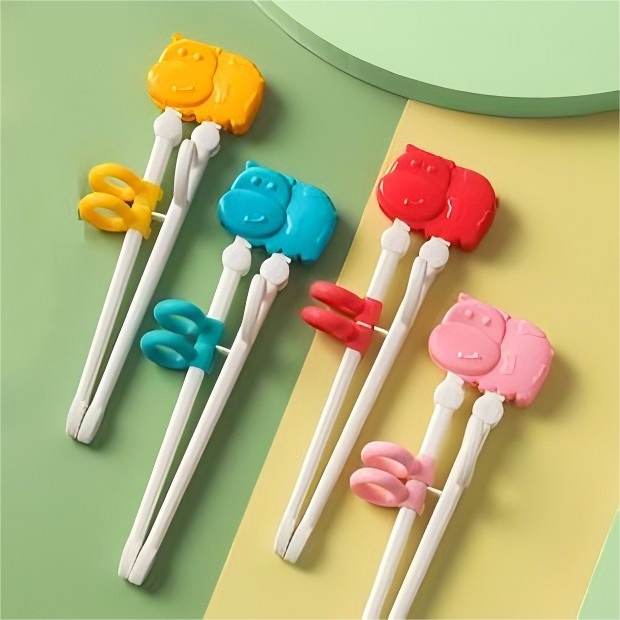
A: Yes, our TPE materials are food-grade and comply with international standards such as FDA and RoHS, making them safe for items like chopstick sleeves and kitchenware.
A: We conduct rigorous raw material checks for heavy metals and plasticizers, monitor extrusion temperatures for uniform dispersion, and perform final tests on tear resistance and safety.
A: TPV offers excellent aging resistance, weather resistance, and low compression set, allowing for efficient continuous extrusion and long-term dynamic sealing performance.
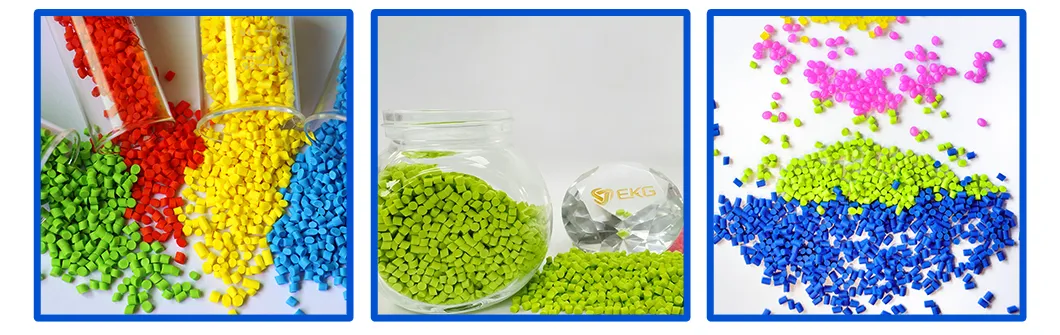
A: Yes, the hardness can be adjusted (typically between 10A and 95A), and colors can be customized to meet specific project requirements.
A: No, the material has a very low water absorption rate (0.1%), which prevents moisture retention and avoids mildew or degradation over time.