 Fance Home
Fance Home
Fance Home
Engineered for high temperature-resistance, robust physical structures, and certified ocean/soil composting properties.
An Expert Analysis of Single-Use Plastic Alternatives in Small Island Developing States (SIDS)
The Union of the Comoros, a breathtaking archipelago situated in the warm waters of the Indian Ocean, is undergoing an intensive environmental transition. In island economies, waste management poses a critical, systemic challenge. Limited landmass limits landfill capabilities, and fragile marine ecosystems—including the renowned Mohéli Marine Park—require stringent environmental conservation efforts. As a result, the Comoros market is actively transitioning away from conventional petroleum-derived plastics toward high-performance, compostable, and eco-friendly tableware materials.
Historically dependent on imported polymer products, Comorian distributors, hospitality groups, and governmental agencies are establishing rigorous green procurement standards. This ecological transition is not merely driven by environmental altruism but is rapidly becoming a legal requirement. As the island country moves to establish bans on lightweight single-use plastics, businesses in Moroni, Mutsamudu, and Fomboni must proactively source reliable, scalable, and cost-efficient biodegradable and compostable alternatives.
Navigating the Global Regulatory Matrix of Biopolymer and Plant-Fiber Tableware
On a global scale, the market for eco-friendly tableware and raw material granules (specifically PBAT, PLA, Sugarcane Bagasse, and Bamboo pulp) is experiencing unprecedented exponential growth. Driven by the European Union’s Single-Use Plastics Directive (SUPD), North American municipal compostable mandates, and China’s strict domestic plastic bans, global chemical manufacturers have significantly expanded biopolymer production capacities. Standard consumer goods are now being rapidly replaced with advanced engineered biopolymers that exhibit identical physical properties to standard PP or PE, but compost fully in industrial or home facilities.
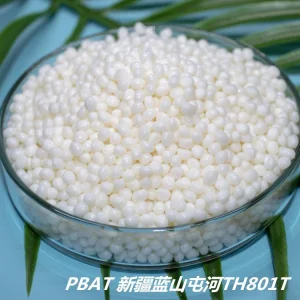
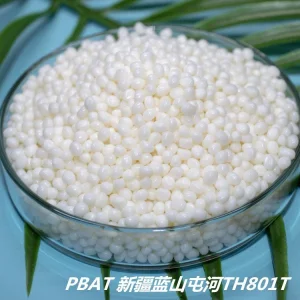
For the Comorian local market, importing raw materials or finished products requires unique material science considerations. Due to Comoros' high relative humidity (averaging 75% to 85%) and tropical temperature fluctuations, standard biodegradable polymers can prematurely degrade if not correctly stabilized. Our proprietary formulations, including TH801T Food-Grade PBAT Granules and modified high-heat PLA, are specifically optimized to withstand humid shipping containers and prolonged storage in tropical climates without sacrificing their certified end-of-life compostability.
| Material Type | Primary Feedstock | Physical Integrity (Temp. Range) | Optimal Comoros Application | Biodegradation Window |
|---|---|---|---|---|
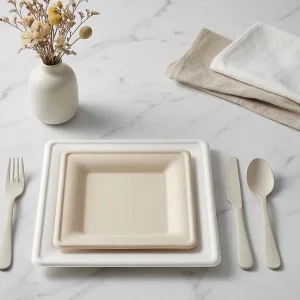
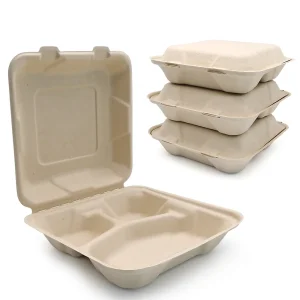
| Sugarcane Bagasse | Agricultural Waste Fiber | -20°C to 120°C (Water & Oil Proof) | Eco-tourism resorts & Quick Service Restaurants | 90 - 180 Days in Soil / Home Compost |
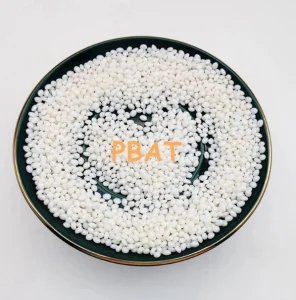
| PBAT (Modified) | Co-polyester (Butanediol/Adipic/Terephthalate) | Flexible, high tensile strength | Bio-packaging film, shopping bags, and mulch | 120 - 180 Days (Industrial/Soil) |
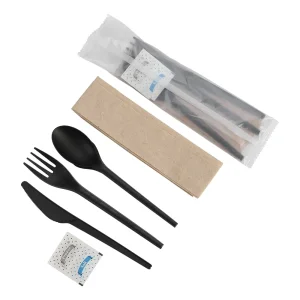
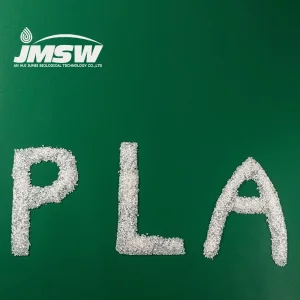
| PLA (Polylactic Acid) | Fermented Cornstarch / Plant Sugars | Rigid, high clarity (-10°C to 55°C) | Cold cups, lids, food trays, structural cutlery | Industrial Composting / Controlled environments |
| Bamboo / Kraft Pulp | Renewable Wood & Bamboo Fibers | High structural rigidity | Heavy-duty catering, delivery containers | Naturally degrades in soil & marine environments |
How Our State-of-the-Art Production Lines Empowers Global and Comorian Wholesalers
Sourcing sustainable materials directly from our fully automated manufacturing facilities in China provides Comorian enterprises with unprecedented economic and quality advantages. By integrating raw material synthesis directly with advanced molding and thermoforming capabilities, we eliminate intermediate supply-chain markups and ensure absolute quality control from monomer to finished plate.
Our factory manages multiple high-speed extrusion lines operating 24/7, maintaining massive stockpiles of raw materials like PBAT resin and sugarcane bagasse pulp. This high-capacity manufacturing protects our Comoros buyers against global biopolymer price volatility, ensuring stable long-term supply agreements.
Every single batch of PBAT granules and bagasse tableware complies with major international food-contact standards. Certified under EU 10/2011, US FDA, and biodegradable certifications (EN 13432, ASTM D6400, and BPI), our products guarantee complete non-toxicity and safety.
We provide full-service shipping coordination directly to the port of Moroni. Our logistics department manages container consolidation, export customs documentation, and marine insurance, ensuring that your bio-materials arrive in Comoros on schedule and in pristine condition.
How Sustainable Tableware Solves Unique Commercial Challenges in the Archipelago
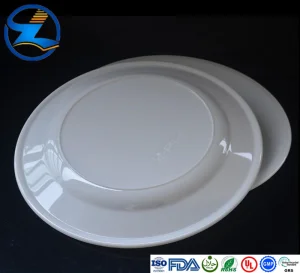
Luxury eco-resorts operating adjacent to the marine sanctuaries of Mohéli must maintain strict zero-plastic footprints. Sugarcane bagasse dishes and PLA-coated bamboo cups allow hospitality venues to offer premium room service and seaside dining options that naturally decompose, completely eliminating the risk of microplastic pollution in delicate marine environments.
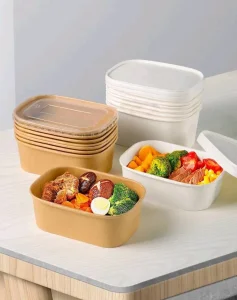
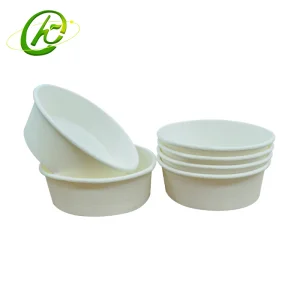
Moroni's bustling food stalls and delivery services require high oil-resistant, highly structural containers. Traditional plastic containers warp under tropical heat. Our 1000ml sugarcane and paper containers offer unmatched thermal performance, remaining completely sturdy and leak-proof even when filled with hot, oily traditional Comorian dishes.
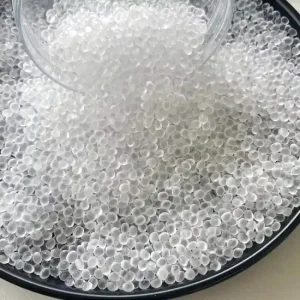
For the agricultural regions of Comoros, biodegradable film blowing pellets (modified PLA/PBAT) offer a revolution. Our compound resin pellets are converted locally or imported as agricultural mulch film, protecting precious vanilla and spice crops, and naturally composting directly back into the volcanic soil post-harvest.
Premium biodegradable resin pellets, specialized packaging, and structural tableware products.
Seamlessly Integrating Eco-Friendly Innovations with Dynamic Home Living Solutions
Fance Home offers a thoughtfully curated product line designed to meet the needs of modern households. We combine advanced ecological materials with premium aesthetics to provide a comprehensive, top-tier sourcing experience:
Every product from Fance Home reflects our dedication to creativity, efficiency, and the joy of home living.
Unmatched Experience, Quality Assurance, and Sourcing Power
With over a decade of specialized expertise in home goods, Fance Home understands market trends and consumer needs, offering insights to keep you ahead.
Our long-term relationships with top-tier Chinese manufacturers ensure a reliable supply of high-quality products.
Expert negotiation and bulk purchasing help secure competitive pricing, enhancing your profit margins without compromising quality.
Our multi-step inspection process guarantees that every product meets international standards, reducing risks and increasing customer confidence.
We manage the entire shipping process from customs clearance to final delivery, ensuring a seamless and efficient supply chain.
Tailored sourcing strategies are designed to meet your unique business objectives, including product customization, flexible orders, and market-specific adaptations.
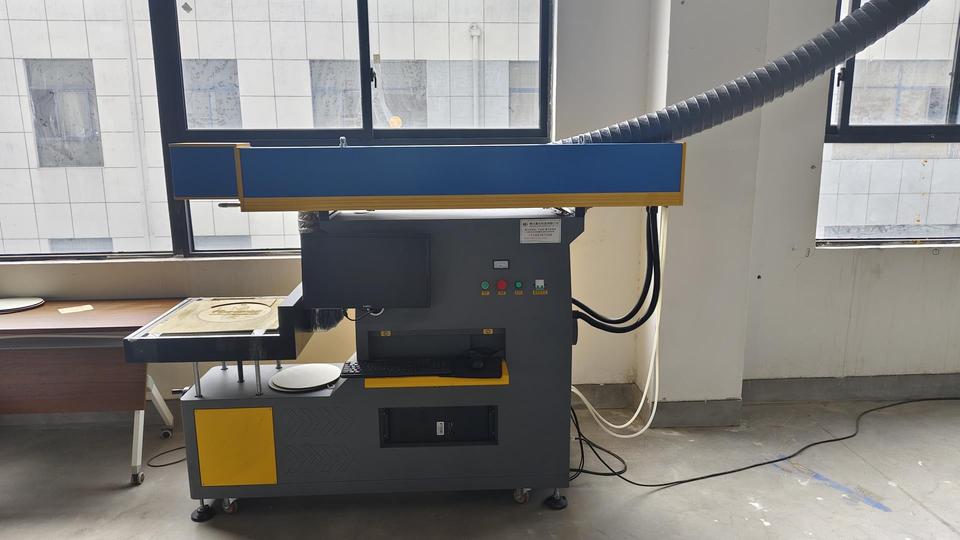
Peek Inside Our Integrated Manufacturing and Sourcing Infrastructure


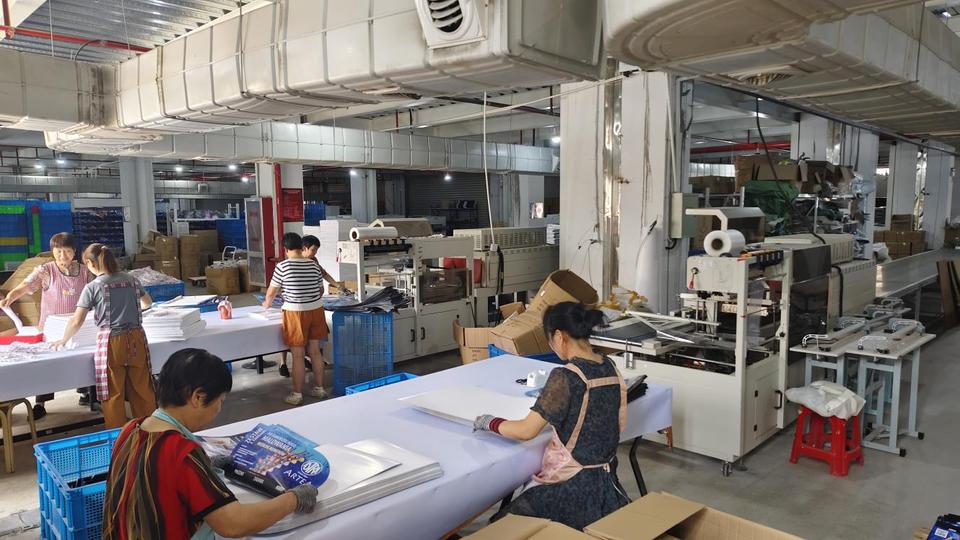
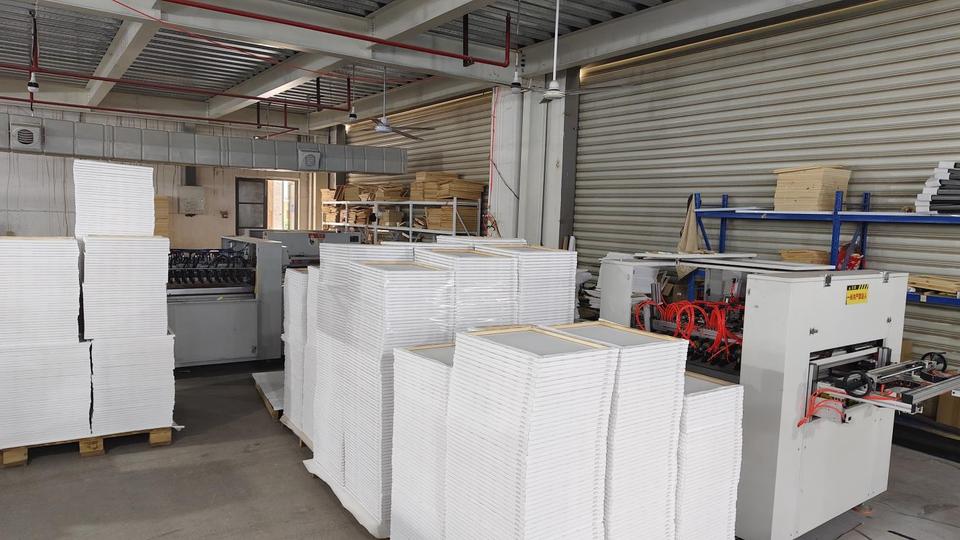
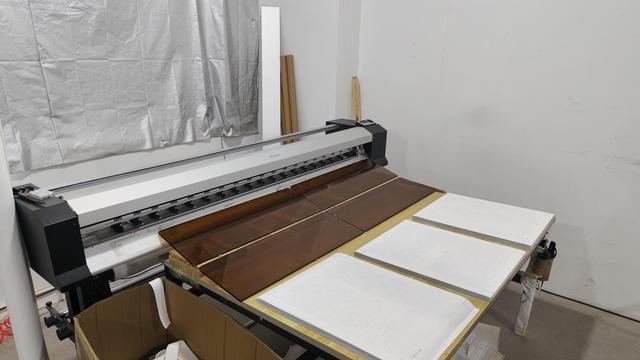
Analyzing Shift toward Circular Bioplastics and High-rigidity Plant-fiber Moulding
Across the EU, the Middle East, and East Africa, major multi-national food brands and logistics groups are actively targeting scope-3 emission reductions. Single-use plastics are under direct scrutiny. Replacing traditional polystyrene or PE-lined paper containers with sugarcane bagasse and PBAT composites offers an immediate carbon footprint reduction of up to 60%. Global enterprise procurement managers are transitioning away from buying simple commodities; instead, they require comprehensive raw material traceabilities, chemical non-toxicity certifications, and validated ecological degradation pathways.
The primary critique of first-generation biodegradable plastics was their reliance on industrial composting facilities (which require controlled temperatures of 58°C to break down). This is a limitation for regions like Comoros that lack high-tech industrial composting waste management facilities. In response, modern research has focused on marine-degradable and soil-degradable polymer blends. Our advanced PBAT formulations, such as TH801T, are synthesized to contain highly active hydrolytic bonds, allowing the polymer chains to undergo rapid degradation when exposed to natural marine and terrestrial microbial conditions.
Expert Engineering and Commercial Answers Regarding Biodegradable Materials in Comoros